Introduction to Photoelectric Sensors
Photoelectric sensors are essential components in modern industrial automation, offering non-contact detection of objects based on light emission and reception. These devices operate by emitting a beam of light—typically infrared, visible red, or laser—and analyzing the changes in the received light signal when an object interrupts or reflects it. Their versatility makes them ideal for applications ranging from packaging lines to robotic guidance systems.
Operating Principles and Types
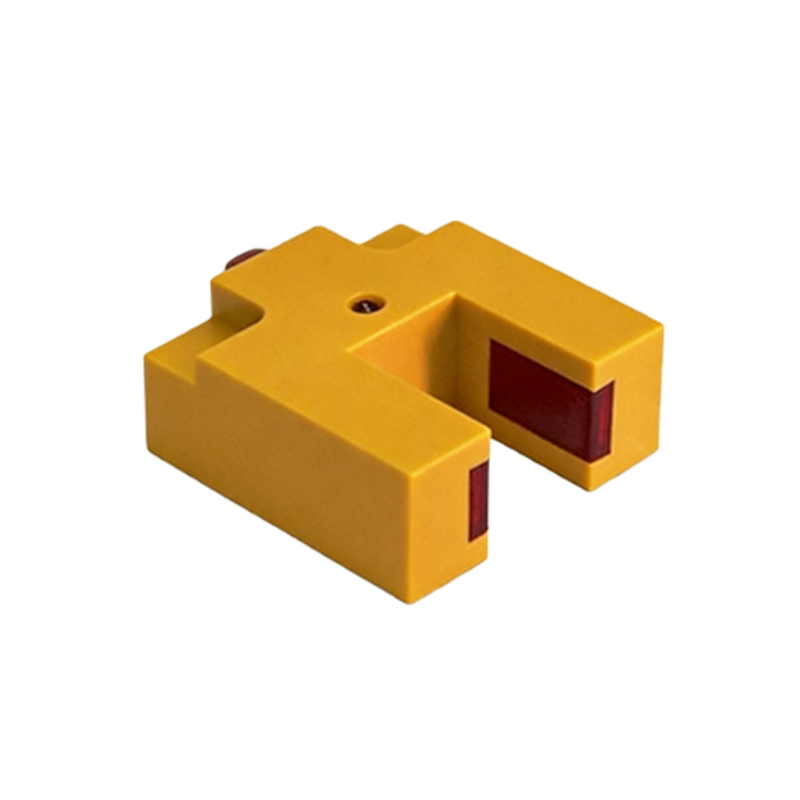
Photoelectric sensors are categorized into three main types: through-beam, retro-reflective, and diffuse-reflective. Through-beam sensors consist of separate emitter and receiver units, providing the longest detection range and highest reliability even in dusty environments. Retro-reflective sensors combine emitter and receiver in one housing, using a reflector to bounce the beam back; they are compact and suitable for transparent object detection. Diffuse-reflective sensors detect objects by the light scattered directly from the target, making them easy to install but sensitive to target color and surface finish.
Key Performance Parameters
When selecting a photoelectric sensor, engineers must consider detection distance, response time, ambient light immunity, and output type. Detection distances can range from a few millimeters for diffuse sensors to over 100 meters for through-beam models. Response times are typically in the microsecond to millisecond range, ensuring high-speed counting and positioning. Modern sensors incorporate advanced circuitry to suppress interference from sunlight or artificial lighting. Outputs are commonly NPN, PNP, or analog, compatible with PLCs and industrial controllers.
Installation and Alignment Best Practices
Proper installation is critical for reliable sensor operation. For through-beam sensors, ensure precise alignment between emitter and receiver, as misalignment can reduce effective range. Retro-reflective sensors require a clean, perpendicular reflector surface, avoiding vibration or tilt. Diffuse sensors should be mounted with the sensing head perpendicular to the target path, and background objects must be placed beyond the sensor's cutoff range to prevent false triggers. Regular cleaning of optics using lint-free cloths and alcohol-based cleaners maintains performance in harsh environments.
Common Applications in Industry
In packaging, through-beam sensors monitor product flow on conveyors, detecting jams or gaps. Automotive assembly lines use retro-reflective sensors to verify the presence of components like clips or brackets. Diffuse sensors excel in material handling for presence/absence detection of boxes or pallets. Laser-based photoelectric sensors provide high-precision measurement for semiconductor wafer handling or print registration in printing presses.
Troubleshooting and Maintenance Tips
Common issues include false triggering due to dirt on optics, electrical noise from nearby motors, or environmental factors like fog or steam. Engineers should first inspect and clean sensor lenses and reflectors. Check alignment using the sensor's built-in indicator light or alignment tool. For electrical interference, use shielded cables and separate power lines from high-current conductors. In extreme conditions, consider sensors with enhanced IP ratings (IP67 or IP69K) for washdown or outdoor use.
Future Trends in Photoelectric Sensing
The industry is moving toward IO-Link-enabled sensors, allowing remote configuration, diagnostics, and data logging. Smart sensors with built-in processors can adapt to changing background conditions or compensate for lens contamination. Integration with industrial IoT (IIoT) platforms enables predictive maintenance by monitoring sensor performance trends over time. Additionally, multi-beam and area-array photoelectric sensors are emerging for complex shape detection and size measurement tasks.