Introduction to the LR110N Photoelectric Sensor
The LR110N photoelectric sensor is a robust and reliable sensing solution designed for demanding industrial environments. As a key component in automation systems, it offers precise detection of objects without physical contact, utilizing a modulated infrared light beam. This sensor is particularly favored in manufacturing lines, packaging machinery, and material handling due to its long sensing range, durability, and immunity to ambient light interference. Its compact form factor and versatile mounting options make it suitable for retrofitting existing systems or integrating into new designs.
Working Principle and Key Specifications
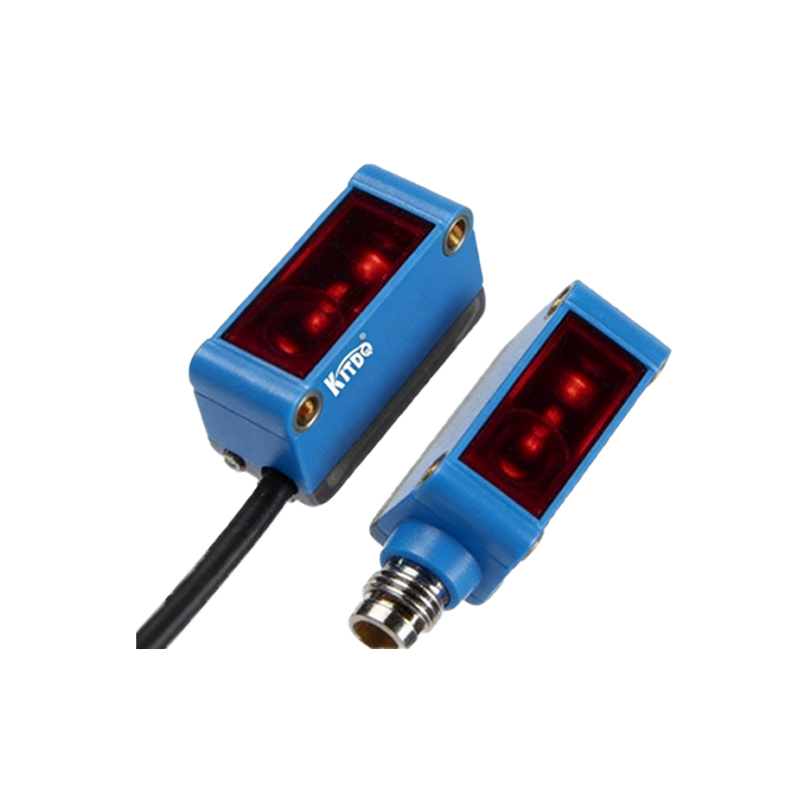
The LR110N operates on the principle of through-beam photoelectric sensing, where a separate emitter and receiver are aligned to detect the presence of an object when the beam is interrupted. Key specifications include a sensing distance of up to 15 meters, an infrared light source at 850 nm, and an IP67 protection rating, ensuring resistance against dust and water ingress. The sensor also features a response time of less than 1 millisecond, enabling high-speed detection in fast-moving production lines. Its output is typically a PNP or NPN transistor, compatible with most PLCs and controllers.
Installation and Alignment Best Practices
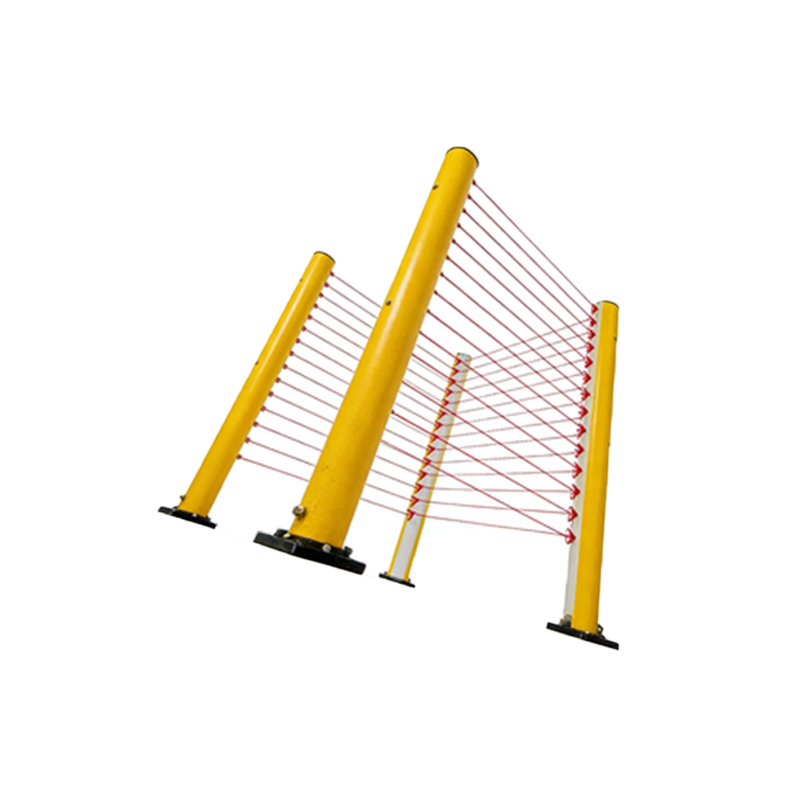
Proper installation is critical for optimal performance of the LR110N. Begin by mounting the emitter and receiver on stable, vibration-free surfaces, ensuring optical alignment within a tolerance of ±2 degrees. Use the built-in alignment indicator and adjustment screws to fine-tune the position. For long-distance applications, consider using a laser alignment tool to minimize errors. Electrical connections should follow the manufacturer’s wiring diagram, with shielded cables to prevent electromagnetic interference in noisy industrial settings. Regular cleaning of the lens surfaces with a soft, lint-free cloth is recommended to maintain sensitivity.
Common Applications in Industry
The LR110N excels in a variety of industrial tasks. In packaging lines, it detects product presence on conveyors for automated sorting and counting. In automotive assembly, it verifies component placement and triggers robotic arm operations. For material handling, it monitors pallet levels or detects obstructions in automated guided vehicles. Its long range also makes it ideal for security perimeters and access control in warehouses. The sensor’s ability to operate in dusty, humid, or oil-laden environments further extends its utility in harsh settings.
Troubleshooting and Maintenance Tips
Common issues with the LR110N include false triggering, inconsistent detection, or no signal output. For false triggering, check for reflective surfaces or stray light sources in the beam path. If detection is inconsistent, verify alignment stability, cable integrity, and power supply voltage (typically 10-30 VDC). A blinking LED output on the sensor often indicates a weak signal or misalignment, requiring recalibration. For maintenance, schedule quarterly inspections of lens cleanliness, mounting brackets, and electrical connectors. Always adhere to lockout/tagout procedures before servicing to ensure safety.
Conclusion: Why Choose the LR110N
The LR110N photoelectric sensor stands out for its reliability, long-range detection, and ease of integration into industrial automation systems. Its robust construction and simple maintenance make it a cost-effective solution for reducing downtime and improving production efficiency. By understanding its principles, installation methods, and troubleshooting techniques, engineers can leverage this sensor to achieve consistent, high-performance results in their specific applications.