Current State of Photoelectric Sensor Adoption
In modern industrial automation, photoelectric sensors are widely integrated into mobile devices for object detection, distance measurement, and quality control. However, a significant gap exists between their theoretical capabilities and actual utilization rates. Many manufacturing facilities report that mobile photoelectric sensors operate at only 40-60% of their full potential, leading to inefficiencies in production lines. This underutilization stems from factors such as improper calibration, environmental interference, and lack of advanced configuration.
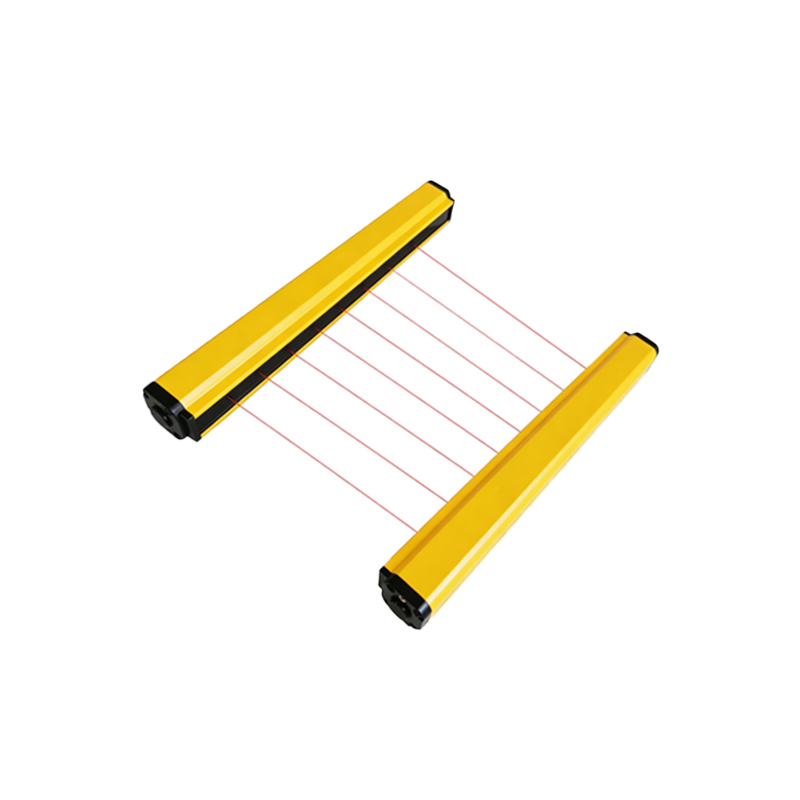
Common Causes of Low Utilization
One primary cause is inadequate sensor positioning and alignment. Mobile devices often experience vibration and movement, causing photoelectric sensors to misread targets. Additionally, ambient light variations, dust, and moisture in industrial settings degrade sensor accuracy. Many operators default to basic binary detection modes, ignoring advanced features like analog output or sensitivity adjustment, which could improve performance. Furthermore, integration with existing PLC or IoT systems is often overlooked, limiting data-driven optimization.
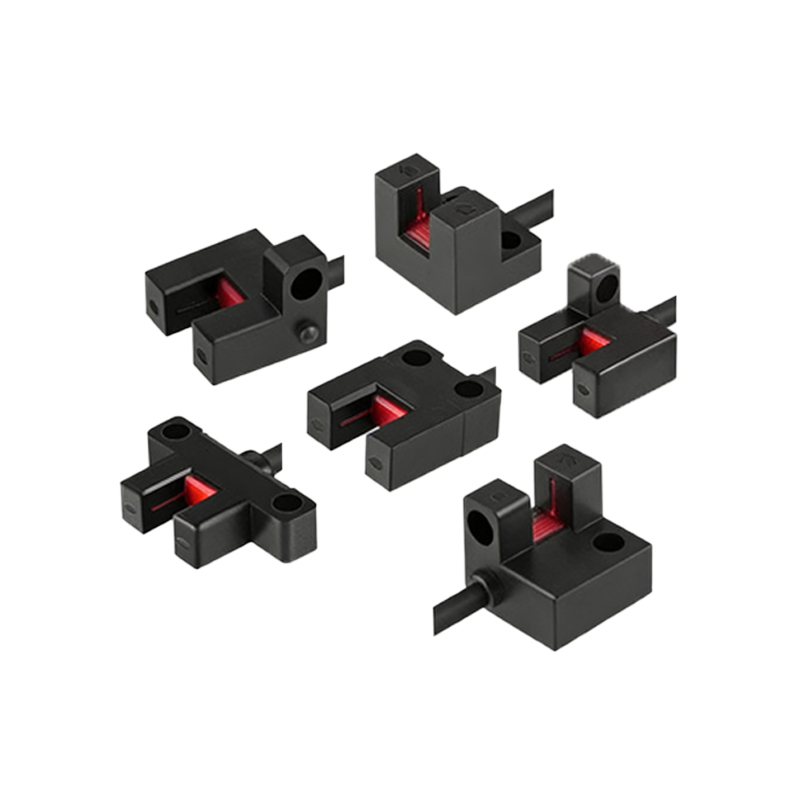
Impact on Production Efficiency
Low sensor utilization directly affects production KPIs. For instance, in packaging lines, poorly utilized photoelectric sensors increase false triggers or missed detections, resulting in downtime and waste. A study in automotive assembly plants showed that optimizing sensor utilization reduced error rates by 30% and improved throughput by 15%. Conversely, underperforming sensors lead to overcompensation in other control systems, amplifying energy consumption and maintenance costs.
Strategies for Improvement
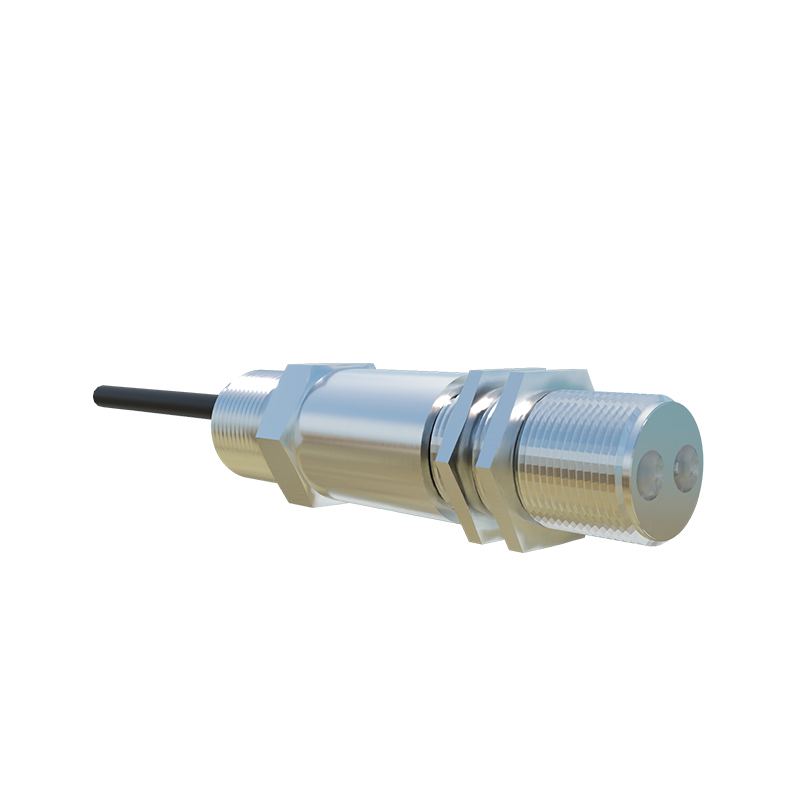
To address this, engineers must focus on three key strategies: calibration, environmental adaptation, and software integration. First, regular calibration using reference targets ensures consistent performance across varying temperatures and distances. Second, selecting sensors with IP67 or higher ratings mitigates dust and moisture effects. Finally, leveraging machine learning algorithms in sensor firmware can dynamically adjust thresholds based on real-time data, enhancing reliability in mobile applications.
Future Trends in Sensor Utilization
Emerging technologies like Industry 4.0 and edge computing promise to revolutionize mobile photoelectric sensor usage. Smart sensors with self-diagnostic capabilities can alert operators to degradation before failures occur. Additionally, wireless communication protocols like IO-Link enable real-time monitoring and remote configuration, boosting utilization rates. Implementation of these advancements could push utilization beyond 90%, transforming mobile sensor networks into highly efficient, adaptive systems.