Understanding the U-Shaped Photoelectric Sensor Design
U-shaped photoelectric sensors, also known as fork sensors, are a specialized type of through-beam sensor where the emitter and receiver are housed in a single, fork-shaped housing. This design creates a fixed sensing gap, eliminating the need for separate mounting and alignment. The sensor operates by detecting objects that break the light beam between the two arms. This configuration offers high precision and reliability, particularly in environments where space is limited or where consistent detection is critical. The robust housing, often made from metal or high-strength plastic, ensures durability in harsh industrial settings.
Key Technical Specifications and Performance Metrics
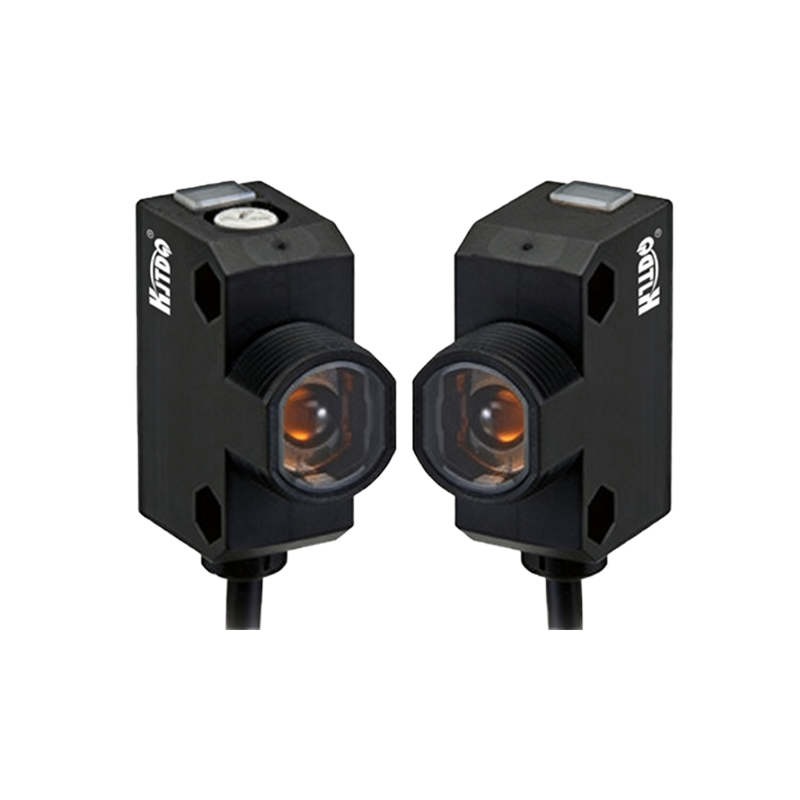
Typical U-shaped sensors feature sensing gaps ranging from 5 mm to 220 mm, with response times as low as 50 microseconds. They utilize infrared or red LED light sources, with some models incorporating laser diodes for enhanced accuracy. IP67 or IP69K ratings are common, providing protection against dust and high-pressure washdowns. The sensors support various output types, including NPN, PNP, and push-pull configurations, making them compatible with most PLCs and controllers. Temperature stability is often maintained within -25 to 55 degrees Celsius, ensuring consistent performance in fluctuating environments.
Common Applications in Manufacturing and Logistics
In the electrical and electronics industry, U-shaped sensors are widely used for detecting components on conveyor belts, counting small parts like screws or chips, and verifying the presence of labels or markings. In packaging lines, they ensure proper bottle or carton positioning before capping or sealing. Logistics applications include detecting packages on sortation systems and monitoring pallet alignment. Their fixed gap design makes them ideal for high-speed automated assembly lines where misalignment risks are high.
Advantages Over Traditional Photoelectric Sensors
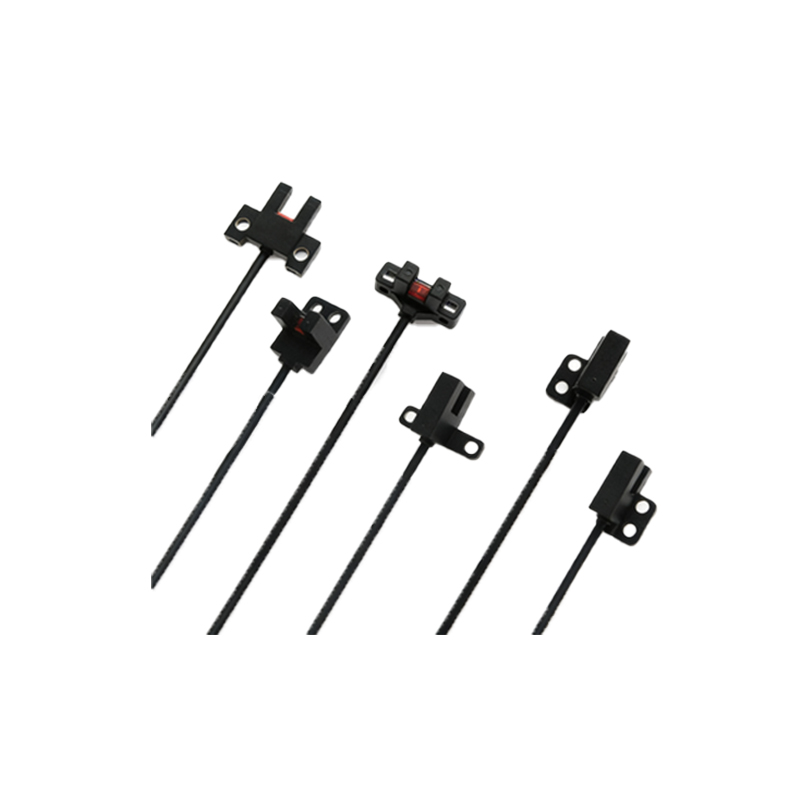
The integrated design eliminates the need for separate emitter and receiver alignment, reducing installation time and maintenance costs. U-shaped sensors are less susceptible to ambient light interference and provide a more stable detection beam. They excel in applications with small object detection, such as wires or pins, where traditional sensors might struggle with false triggers. Additionally, their compact footprint allows for easy integration into tight spaces, such as robotic grippers or automated tool changers.
Installation Best Practices and Common Pitfalls
Proper mounting is crucial for optimal performance. Ensure the sensor is secured with vibration-resistant fasteners and that the sensing gap is free from debris. Avoid placing reflective surfaces near the gap to prevent false signals. When wiring, use shielded cables to minimize electrical noise interference. For harsh environments, consider models with protective cover plates. Regular cleaning of the lens and housing is recommended, especially in dusty or oily conditions.
Future Trends and Technological Innovations
Advancements in U-shaped sensor technology include the integration of IO-Link communication for real-time diagnostics and parameter setting. Miniaturization is driving development of sensors with sub-millimeter gap sizes for microelectronics. Some manufacturers are incorporating adaptive sensitivity algorithms to compensate for lens contamination. Wireless connectivity and IoT integration are emerging, allowing for remote monitoring and predictive maintenance in smart factories.