Introduction to Photoelectric Sensors
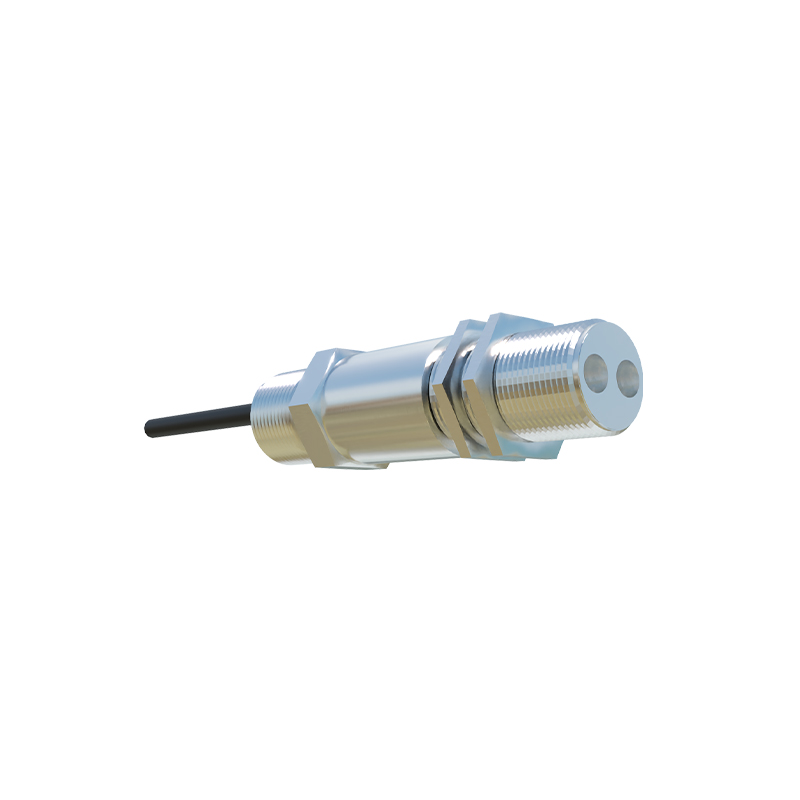
Photoelectric sensors are essential components in modern industrial automation, using light to detect the presence, absence, or distance of objects. They operate by emitting a beam of light, typically infrared or visible, and measuring the reflected or interrupted signal. These sensors are widely adopted due to their non-contact detection, high speed, and reliability in harsh environments.
Manufacturing and Assembly Lines
In manufacturing, photoelectric sensors are crucial for monitoring conveyor belts, counting products, and verifying component placement. For example, in automotive assembly, they ensure that parts like bolts or panels are correctly positioned before welding or painting. Their fast response time prevents jams and improves throughput, making them ideal for high-speed production.
Packaging and Material Handling
Packaging industries rely heavily on these sensors for labeling, filling, and sealing operations. A photoelectric sensor can detect transparent or shiny films, such as plastic wrap, by using special background suppression optics. In warehouses, they guide automated guided vehicles (AGVs) and control stacking systems, enhancing logistics efficiency.
Food and Beverage Processing
Hygiene and precision are critical in food processing. Photoelectric sensors with stainless steel housings and IP69K ratings withstand high-pressure washdowns. They detect bottles, cans, or pouches on high-speed lines, ensuring correct fill levels and cap placement. Their non-contact nature prevents contamination, meeting FDA and EU standards.
Pharmaceutical and Medical Devices
In pharmaceutical production, these sensors verify blister pack alignment, syringe assembly, and label integrity. They operate in cleanrooms with minimal particle generation. For example, a retro-reflective sensor can detect small vials or ampoules on a filling machine, ensuring precise dosing. Their reliability reduces waste and downtime.
Logistics and Warehouse Automation
Modern warehouses use photoelectric sensors in sortation systems, elevators, and robotic picking stations. They detect package dimensions, trigger barcode scanners, and control automated storage and retrieval systems (AS/RS). Long-range sensors, up to 50 meters, monitor aisle traffic and prevent collisions between forklifts and shelving.
Safety and Machine Guarding
Safety photoelectric sensors, such as light curtains, create protective fields around hazardous machinery. They stop or slow equipment when an operator’s hand or body enters the danger zone. These sensors comply with ISO 13849 and SIL 3 standards, ensuring worker safety in stamping presses, robots, and packaging machines.
Conclusion and Future Trends
Photoelectric sensors continue to evolve with IoT integration, offering real-time data for predictive maintenance. Smart sensors with IO-Link communication enable remote parameter adjustments. As industries adopt Industry 4.0, these sensors will play a larger role in adaptive manufacturing, energy efficiency, and autonomous systems.