Introduction to Through-Beam Photoelectric Sensors
Through-beam photoelectric sensors are essential in industrial automation for reliable object detection. Unlike retro-reflective or diffuse sensors, they consist of separate emitter and receiver units, ensuring high precision over longer distances. The IFM O6S200 is a standout model in this category, designed for demanding environments where accuracy and robustness are critical. Its compact housing and advanced optics make it ideal for applications in packaging, material handling, and automotive manufacturing.
Key Features of the IFM O6S200
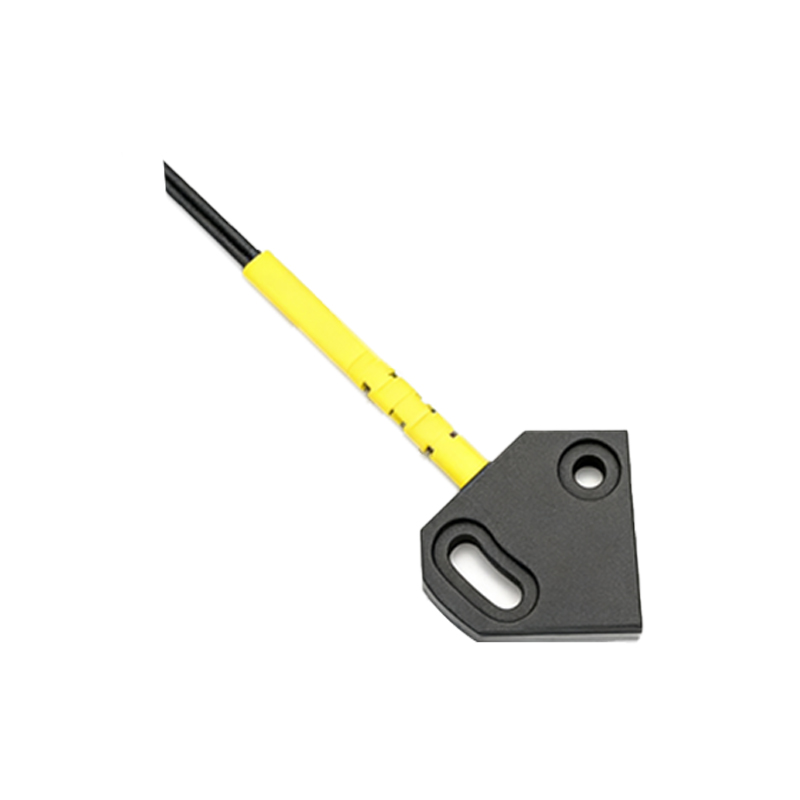
The IFM O6S200 boasts a range of features tailored for industrial use. It operates with a sensing range up to 15 meters, utilizing a modulated infrared light beam to minimize ambient light interference. The sensor's IP67 rating ensures protection against dust and water ingress, suitable for harsh factory floors. Additionally, it includes a M12 connector for easy integration, and its push-pull output supports both NPN and PNP configurations, simplifying wiring in diverse control systems. The compact design (20 x 32 x 12 mm) allows installation in tight spaces without compromising performance.
Technical Specifications and Performance
The O6S200 operates at a supply voltage of 10-30 VDC, with a current consumption of less than 15 mA. Its response time is under 0.5 ms, enabling high-speed detection for fast-moving objects. The sensor emits a wavelength of 880 nm, which is less susceptible to dust and smoke than visible light, enhancing reliability in dusty environments. The receiver module features a built-in sensitivity adjuster via a potentiometer, allowing fine-tuning for specific application needs. Temperature range from -25°C to 60°C ensures stable operation in varying climates.
Installation and Alignment Tips
Proper installation is crucial for maximizing the O6S200's performance. First, ensure the emitter and receiver are aligned precisely, as even slight misalignment can reduce detection range. Use the provided mounting brackets and fix the units on stable surfaces to avoid vibration. For long distances, consider using a laser alignment tool. Avoid direct exposure to intense sunlight or reflective surfaces near the beam path, as these can cause false triggering. Always test the sensor with actual objects at the target distance during commissioning.
Common Applications in Industry
The IFM O6S200 excels in applications requiring reliable detection of opaque objects. In packaging lines, it detects cartons or bottles passing through conveyor belts. In automotive assembly, it monitors component presence in pallets or fixtures. It is also used in warehouse logistics for detecting pallets on racks or in automated storage systems. Its long range makes it suitable for door control systems in large industrial gates. In clean environments, such as electronics manufacturing, its non-contact operation prevents contamination.
Troubleshooting and Maintenance
Common issues include reduced range due to dust accumulation on lenses. Regular cleaning with a soft, lint-free cloth is recommended. If the sensor fails to detect objects, check alignment and supply voltage. The LED indicator on the receiver helps diagnose faults: a steady green light indicates normal operation, while flashing red suggests misalignment or contamination. For persistent problems, inspect the cable and connector for damage. Always consult the IFM manual for detailed error codes and reset procedures.
Comparison with Competitor Models
Compared to similar sensors like the Omron E3Z or SICK WL12, the O6S200 offers a superior balance of range and compactness. Its push-pull output provides flexibility that competitors may require separate models for. The IP67 rating matches industry standards, but its smaller footprint gives an edge in space-constrained applications. However, it lacks advanced features like IO-Link, which may be a consideration for smart factories. Overall, the O6S200 is a cost-effective choice for standard through-beam tasks.