Introduction to Photoelectric Sensors
Photoelectric sensors are essential components in modern industrial automation, converting light signals into electrical outputs to detect objects, measure distances, or verify presence. These devices operate based on the principle of light emission and reception, using a transmitter and a receiver. When an object interrupts or reflects the light beam, the sensor triggers a response. This technology is widely used in manufacturing, packaging, logistics, and robotics due to its high accuracy, non-contact detection, and versatility in harsh environments.
Types of Photoelectric Sensors
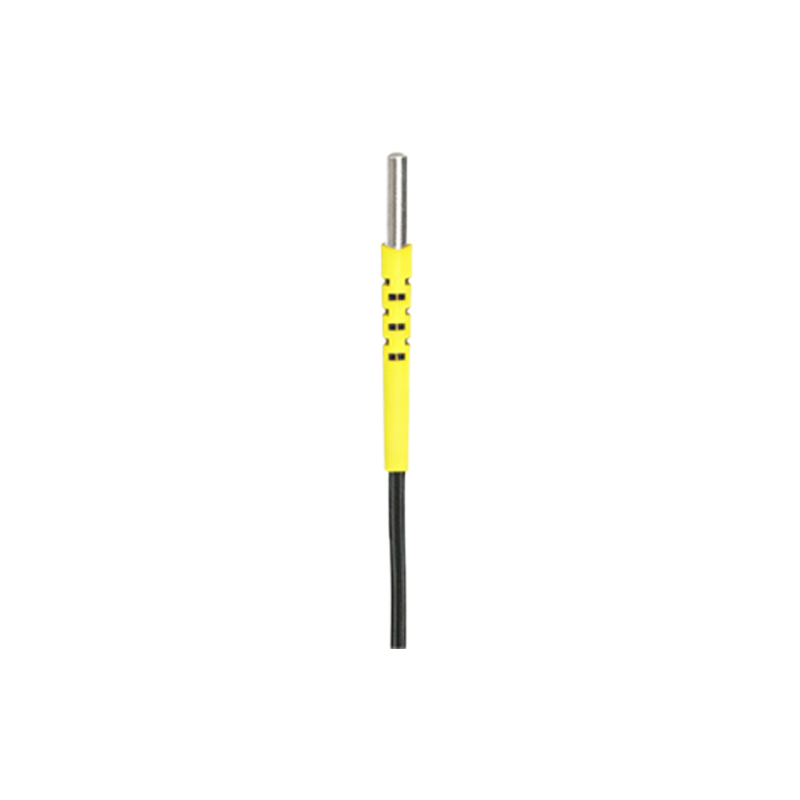
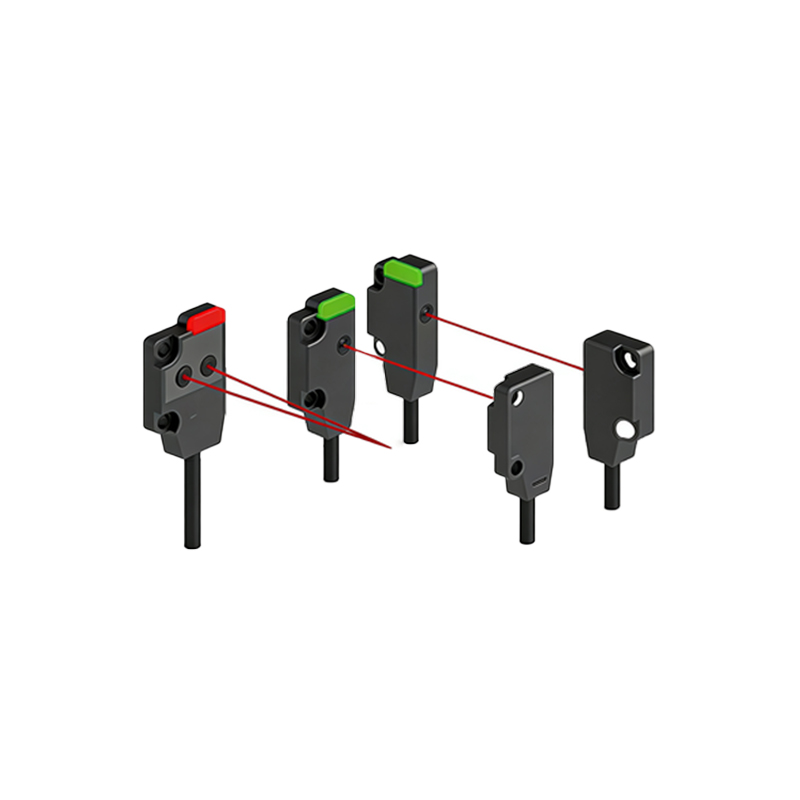
There are three primary types of photoelectric sensors: through-beam, retro-reflective, and diffuse. Through-beam sensors consist of a separate emitter and receiver, offering the longest sensing range (up to 100 meters) and high reliability, as the light beam is directly interrupted. Retro-reflective sensors combine the emitter and receiver in one housing, using a reflector to bounce the beam back; they are suitable for medium-range applications (up to 20 meters) and require alignment with the reflector. Diffuse sensors detect objects by measuring reflected light from the target itself, with a typical range of 1 to 5 meters, making them ideal for short-range tasks where retro-reflectors are impractical.
Key Specifications and Performance Factors
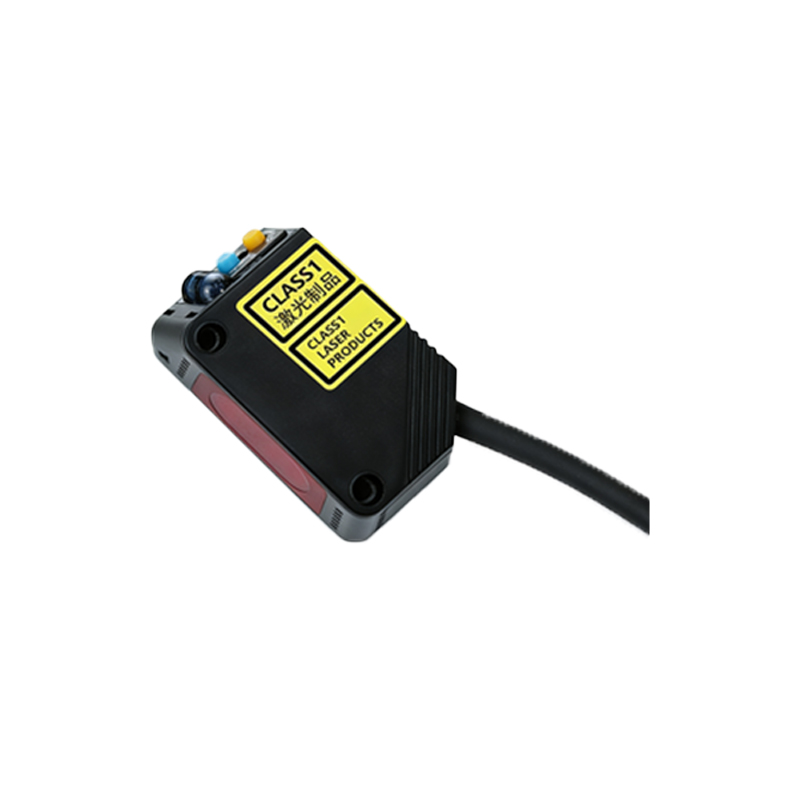
When selecting a photoelectric sensor, engineers must consider key specifications such as sensing distance, response time, light source type (e.g., infrared, red LED, or laser), and ambient light immunity. Infrared sensors are common for general tasks, while laser sensors offer precision for small targets. Response time is critical in high-speed applications, often measured in milliseconds. Additionally, environmental factors like dust, fog, or vibration can affect performance, so IP ratings (e.g., IP67) and protective housings are vital for industrial use.
Applications in Industrial Automation
In automated production lines, photoelectric sensors monitor conveyor belts for product presence, detect jams in packaging machines, and ensure precise positioning in robotic arms. For example, in the automotive industry, they verify component assembly in paint shops or welding stations. In logistics, they sort packages by size and shape. Their non-contact nature reduces wear and contamination, enhancing system longevity and reliability.
Installation and Troubleshooting Best Practices
Proper installation is crucial for optimal sensor performance. Align the emitter and receiver carefully in through-beam setups, and clean reflective surfaces regularly. For diffuse sensors, adjust sensitivity based on target color and texture—dark surfaces absorb more light, reducing range. Common troubleshooting includes checking for misalignment, power supply fluctuations, or lens contamination. Using diagnostic tools like oscilloscopes can help identify signal interference.
Future Trends in Photoelectric Sensor Technology
With Industry 4.0 and smart factories emerging, photoelectric sensors are evolving with IoT connectivity and data analytics. Modern sensors include IO-Link interfaces for real-time parameter adjustments and diagnostics. Miniaturization and integration with machine vision systems are also advancing, enabling more complex detection tasks. These innovations will further enhance efficiency and predictive maintenance in industrial environments.