Understanding the Fundamentals of Sensing Distance
Sensing distance is a critical parameter in photoelectric sensors, defining the maximum range at which a sensor can reliably detect an object. This distance is influenced by factors such as the sensor type, light source wavelength, target reflectivity, and ambient environmental conditions. For through-beam sensors, the sensing distance can exceed 30 meters due to the separate emitter and receiver setup. In contrast, retro-reflective sensors typically achieve ranges up to 10 meters, depending on the reflector quality and alignment. Diffuse sensors, which rely on the target's reflective surface, often have shorter distances, ranging from a few centimeters to 2 meters. Understanding these fundamentals helps engineers select the appropriate sensor for specific automation tasks, such as material handling or packaging lines.
Key Factors Affecting Sensing Distance Performance
Several variables directly impact the effective sensing distance of photoelectric sensors. Target color and surface finish play a significant role: a white, matte surface can reflect up to 90% of the emitted light, while a black, glossy surface may reflect less than 10%, drastically reducing range. Ambient light interference, particularly from high-intensity sources like sunlight or welding arcs, can also compress sensing distances if the sensor lacks adequate filtering. Additionally, optical lens contamination from dust, oil, or moisture degrades performance over time. Engineers should account for these factors during installation, using sensors with built-in ambient light suppression or selecting models with IP67 or higher ratings for harsh environments.
Selecting the Right Sensor for Maximum Range
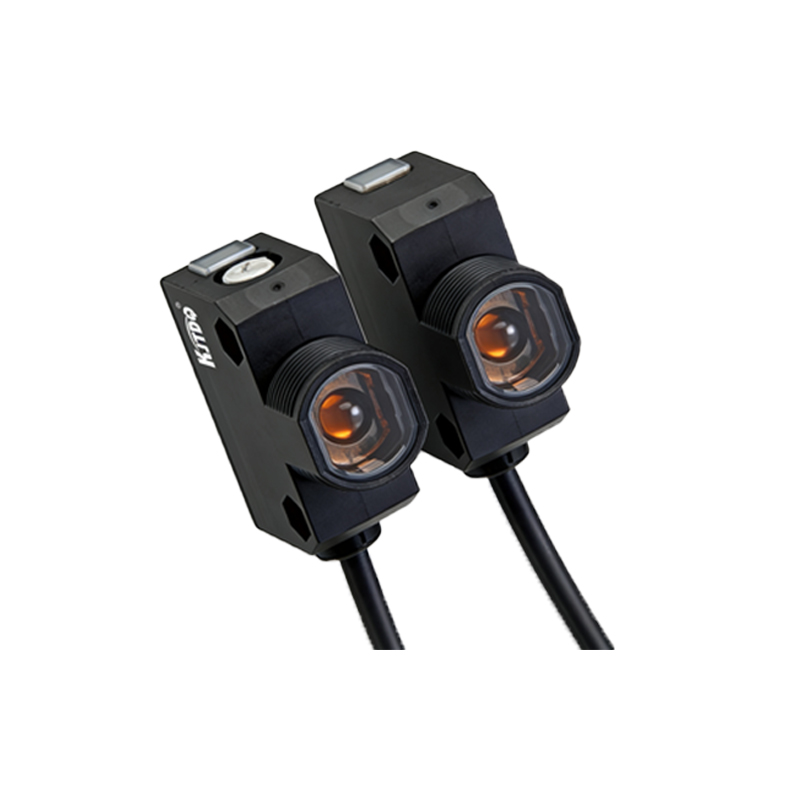
When optimizing sensing distance, the choice between laser, LED, and fiber optic sensors depends on the application. Laser-based photoelectric sensors offer precise, long-range detection up to 100 meters in through-beam configurations, making them ideal for high-speed conveyor systems or large warehouse automation. LED sensors, while more economical, provide sufficient range for most industrial tasks but may struggle with long distances or small targets. Fiber optic sensors excel in confined spaces or high-temperature zones, where traditional sensors fail. For extended range, consider sensors with adjustable gain or auto-calibration features, which compensate for signal degradation over time. Always verify the sensor's datasheet for rated sensing distance under standard test conditions, and derate accordingly for real-world scenarios.
Installation Best Practices to Maintain Sensing Distance
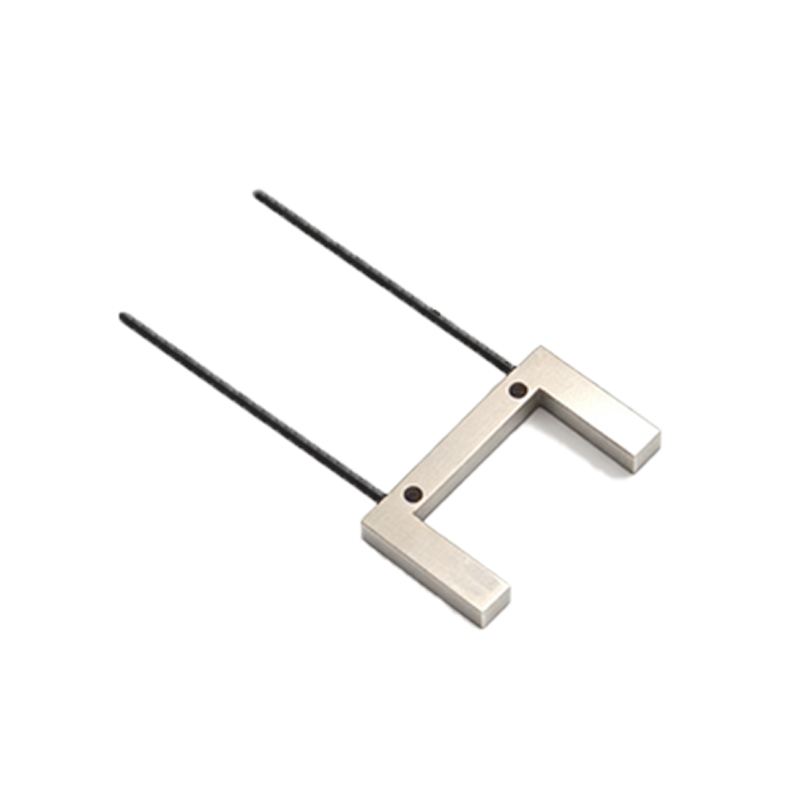
Proper installation ensures that the sensor achieves its specified sensing distance. Align the emitter and receiver precisely in through-beam systems, using alignment tools to avoid angular misalignment. For retro-reflective sensors, position the reflector perpendicular to the sensor beam and clean both components regularly. Diffuse sensors require careful mounting to avoid background interference; maintain a clear path between the sensor and the target, and avoid highly reflective surfaces behind the object. Additionally, use shielded cables to minimize electrical noise, which can cause false triggers and reduce effective range. Industrial environments with vibration may require rigid mounting brackets or shock-absorbing bases to maintain optical alignment over time.
Troubleshooting Common Sensing Distance Issues
If a photoelectric sensor fails to achieve its rated distance, diagnostics should focus on environmental and hardware factors. First, check for obscuration by dust, fog, or physical obstructions. Clean the lens using a lint-free cloth and approved solvent. Next, verify the target's reflectivity; if it is low, consider switching to a through-beam or retro-reflective configuration. Electrical issues, such as voltage drops or improper wiring, can also limit performance—ensure the sensor receives stable power within its rated range. Finally, test with a standard reflective target under controlled conditions to isolate sensor faults. If the issue persists, consult the manufacturer for firmware updates or consider replacing the unit.