Introduction to BM3M Photoelectric Sensors
BM3M photoelectric sensors represent a reliable and efficient solution for object detection in modern industrial automation. These sensors operate by emitting a beam of light, typically infrared or visible red, and detecting changes in the received light signal caused by the presence or absence of an object. Designed for rugged environments, the BM3M series offers high precision and long sensing distances, making them ideal for applications in manufacturing, packaging, and material handling systems. Their compact design and robust housing ensure consistent performance under challenging conditions, including dust, vibration, and temperature fluctuations.
Key Technical Specifications and Operating Principles
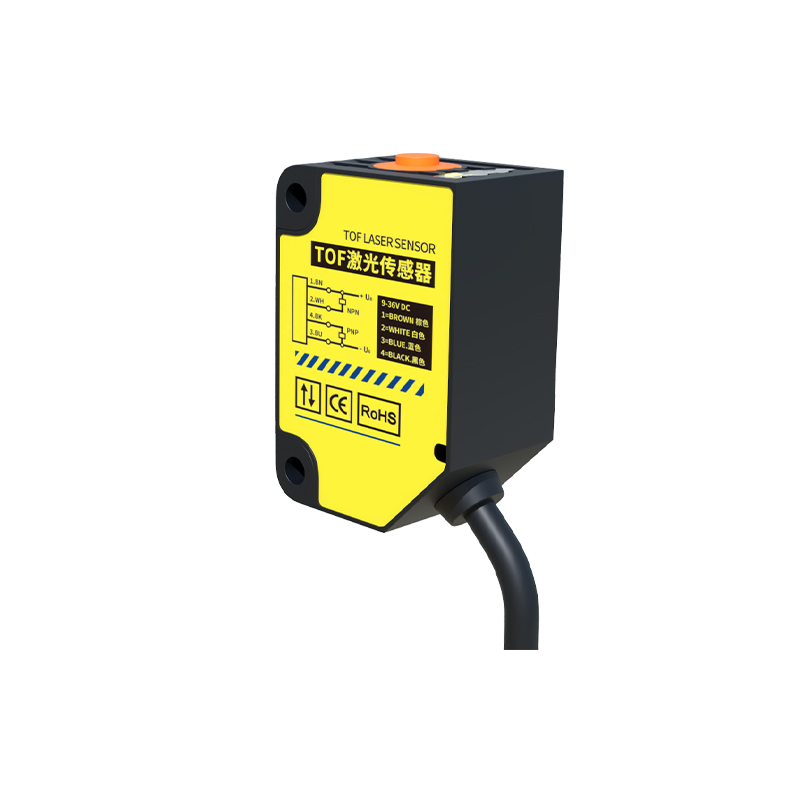
The BM3M sensor operates on three primary detection modes: through-beam, retro-reflective, and diffuse reflection. Through-beam mode uses a separate transmitter and receiver for maximum range, up to 20 meters. Retro-reflective mode utilizes a reflector to fold the beam, achieving distances of 5 meters. Diffuse mode relies on the target itself to reflect light, suitable for short-range detection up to 1 meter. Key specifications include a response time of less than 1 millisecond, operating voltage of 10-30 VDC, and IP67 protection rating. The sensor outputs both NPN and PNP configurations, enabling seamless integration with PLCs and other control systems. A visible indicator LED assists in alignment and status monitoring.
Installation and Alignment Best Practices
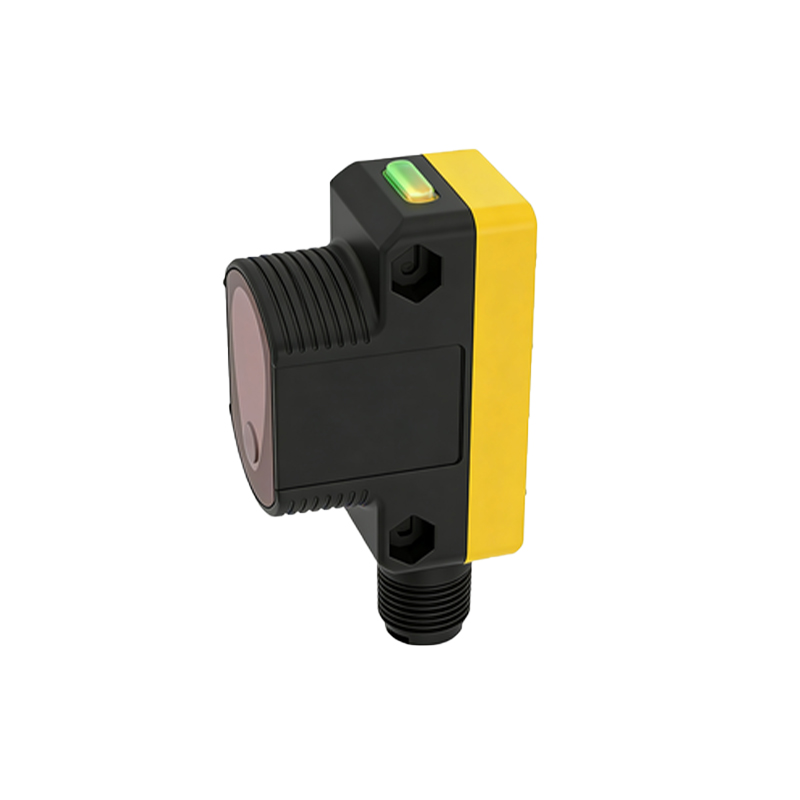
Proper installation is critical for optimal BM3M sensor performance. Begin by mounting the sensor on a stable surface using the provided brackets, ensuring the sensing axis is perpendicular to the target path. For through-beam models, align the emitter and receiver precisely using the alignment tool or the built-in LED indicator. Maintain a clean optical path free from obstructions like debris or condensation. Avoid direct sunlight or strong ambient light sources that may cause false triggering. Secure all cable connections with strain relief to prevent damage from machine movement. For diffuse sensors, consider the target material and color, as dark or reflective surfaces can affect detection reliability. Test the system under actual operating conditions to verify sensitivity and adjust the potentiometer if needed.
Troubleshooting Common Issues and Maintenance Tips
Common issues with BM3M sensors include false signals, no detection, or intermittent operation. First, check for physical misalignment or contamination on the lens or reflector. Use a soft, lint-free cloth with isopropyl alcohol to clean optical surfaces. Verify the power supply voltage and wiring connections, ensuring no short circuits or reversed polarity. If the sensor fails to detect, adjust the sensitivity trimmer or check for interference from nearby high-voltage cables. For intermittent issues, inspect the cable for wear or loose terminals. Regular maintenance includes periodic cleaning of optical components and checking the mounting stability. Replace the sensor if internal components are damaged or if performance degrades over time.
Applications in Key Industries
BM3M photoelectric sensors serve diverse industrial sectors. In packaging lines, they detect product presence, count items, and verify label placement. In conveyor systems, they monitor material flow and trigger sorting mechanisms. Automotive manufacturing uses them for part presence verification and robotic guidance. The food and beverage industry benefits from their hygienic design, detecting bottles or cartons without contact. In logistics, BM3M sensors ensure accurate positioning of parcels on automated guided vehicles. Their versatility and reliability make them a cost-effective choice for improving operational efficiency and reducing downtime.
Conclusion and Future Trends
The BM3M photoelectric sensor remains a cornerstone of industrial sensing technology, offering a balance of performance, durability, and affordability. As Industry 4.0 evolves, these sensors are increasingly integrated with IoT platforms for real-time monitoring and predictive maintenance. Future advancements may include enhanced signal processing for better noise immunity, wireless communication capabilities, and smaller form factors. For engineers and technicians, understanding the BM3M series provides a solid foundation for optimizing automated systems. Regular training on installation and troubleshooting ensures maximum uptime and extends sensor lifespan.