Understanding the Role of Black Sensing Stripes in Photoelectric Sensors
Photoelectric sensors are critical components in automated industrial environments, used to detect presence, position, or distance of objects without physical contact. A common challenge arises when sensing objects with highly reflective or dark surfaces, such as black sensing stripes. These stripes, often applied to conveyor belts, packaging materials, or robotic end-effectors, create a distinct contrast that can be exploited by retro-reflective or through-beam sensors. The black stripe absorbs infrared or visible light, reducing signal reflection and triggering a detection event. Engineers must carefully select sensor types—such as background suppression or diffuse models—to ensure reliable operation in dusty, wet, or high-vibration conditions. Proper alignment and threshold setting are essential to avoid false triggers.
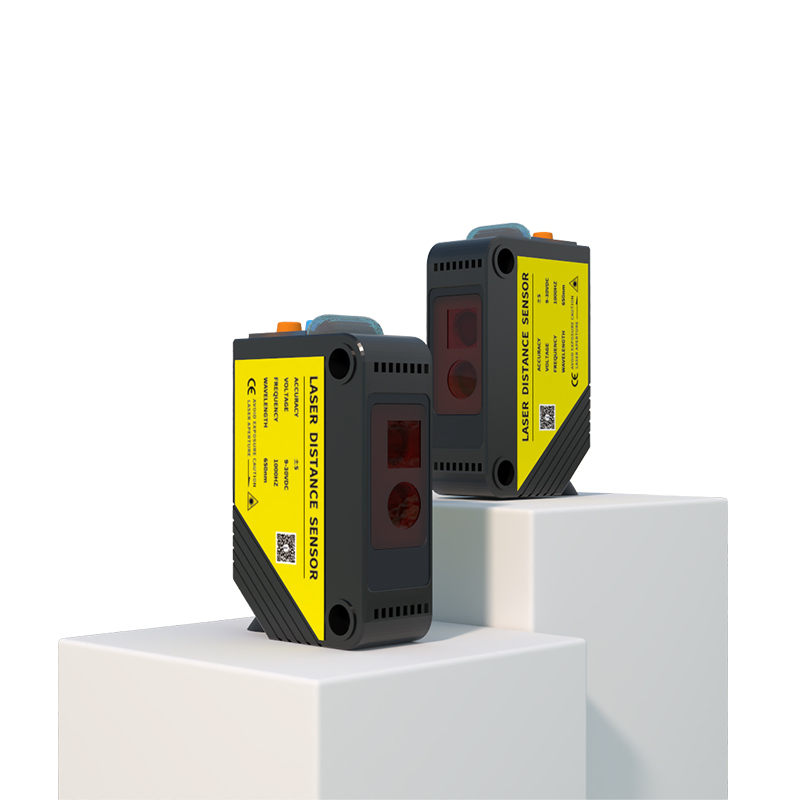
Design Considerations for Sensors in High-Contrast Environments
When integrating black sensing stripes, the sensor's wavelength and response time become paramount. Red laser sensors (650 nm) offer high precision for small stripes, while infrared LEDs are preferred for longer-range detection. The stripe width should be at least three times the sensor's spot diameter to guarantee consistent detection. Additionally, ambient light interference—from sunlight or nearby machinery—must be mitigated using modulated light or synchronous detection. For harsh industrial settings, IP67 or IP69K-rated housings protect against dust and washdown. Engineers should also account for temperature drift, as some sensors require compensation circuits to maintain accuracy across -25°C to 60°C ranges.
Installation and Calibration Best Practices
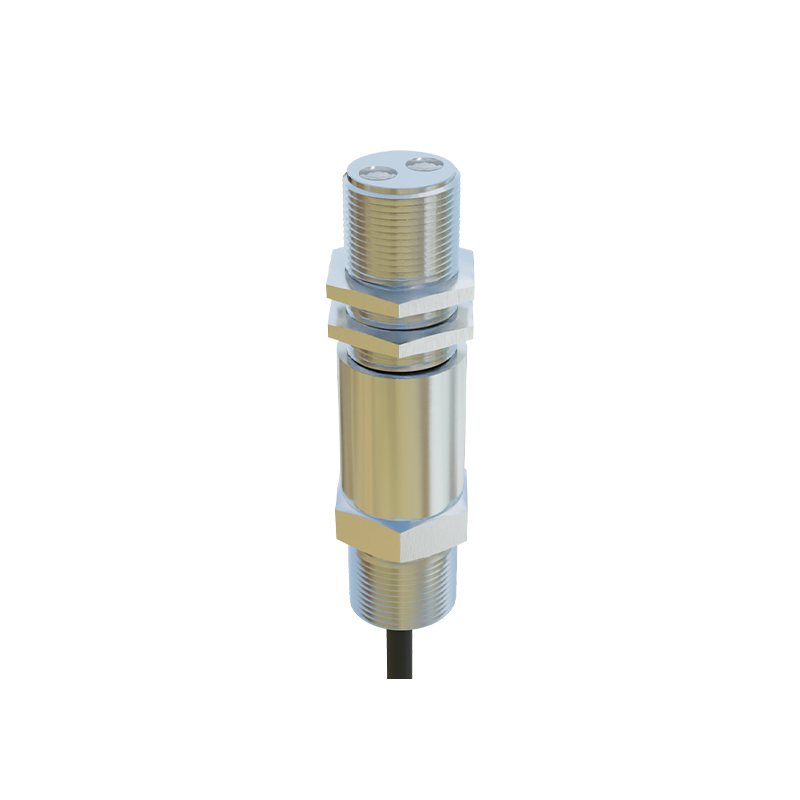
Begin by mounting the sensor perpendicular to the black stripe's surface, with a maximum tilt angle of 5 degrees to avoid signal loss. Use a teach-in function or manual potentiometer to set the switching threshold, typically 50% of the difference between bright and dark signal levels. During calibration, verify the stripe's optical density—a matte black finish with less than 10% reflectivity is ideal. For moving targets, adjust the response time to match line speed; a 1 ms response is suitable for speeds up to 10 m/s. Conduct a test run with worst-case conditions, such as dust accumulation or oil mist, to validate repeatability. Document all settings in the machine's PLC for future maintenance.
Troubleshooting Common Issues with Black Stripe Detection

Common problems include intermittent detection due to stripe wear or contamination. Clean the sensor lens and stripe surface with isopropyl alcohol and a lint-free cloth. If sensitivity drifts, check for electrical noise from nearby motors or inverters, and add a ferrite core to the sensor cable. In cases where the stripe's color fades over time, replace the stripe with a higher-contrast material, such as black polyurethane tape. For sensors with background suppression, adjust the cutoff distance to ignore reflective backgrounds behind the stripe. Use a digital oscilloscope to analyze signal waveforms if detection timing is critical.
Advanced Techniques: Combining Sensors with Machine Vision
For complex patterns or multi-stripe applications, integrate photoelectric sensors with machine vision systems. The sensor triggers a camera to capture images at precise stripe positions, enabling quality control of printed marks or alignment checks. This hybrid approach improves accuracy in high-speed sorting lines, where a single sensor's output may not suffice. Data fusion algorithms can correct for stripe deformation or partial occlusion, reducing false rejects. Engineers should ensure both systems share a common clock signal and use industrial Ethernet (e.g., EtherNet/IP) for synchronization.
Future Trends in Photoelectric Sensing for Dark Targets
Emerging technologies include time-of-flight (ToF) sensors that measure distance independently of surface color, making them ideal for black stripes on irregular surfaces. Multispectral sensors can differentiate between black ink and black anodized metal, expanding material handling possibilities. Additionally, self-learning sensors using AI algorithms are being developed to adapt to changing stripe conditions without manual recalibration. These innovations promise to reduce downtime and improve yield in industries like automotive manufacturing and food processing.