Introduction to Photoelectric Sensors in Modern Industry
As a senior electrical engineer, I have witnessed the evolution of photoelectric sensors from niche components to essential tools in automation. These sensors detect the presence or absence of objects using light beams, making them vital for conveyor systems, packaging lines, and quality control. The key challenge for many engineers is balancing performance with cost. In this article, I will explore how to select a price-competitive photoelectric sensor without compromising reliability or accuracy.
Why Price Matters in Sensor Selection
In industrial settings, budgets are often tight, especially for small to medium-sized enterprises. Overpaying for high-end sensors with unnecessary features can strain project costs. Conversely, choosing a cheap, low-quality sensor leads to frequent replacements and downtime. A well-priced photoelectric sensor, often ranging from $20 to $80 per unit, offers a sweet spot: it provides adequate sensing range (e.g., 2-10 meters for through-beam types), IP67 protection for harsh environments, and response times under 1 millisecond. This balance ensures long-term savings in maintenance and energy consumption.
Key Technical Parameters to Evaluate
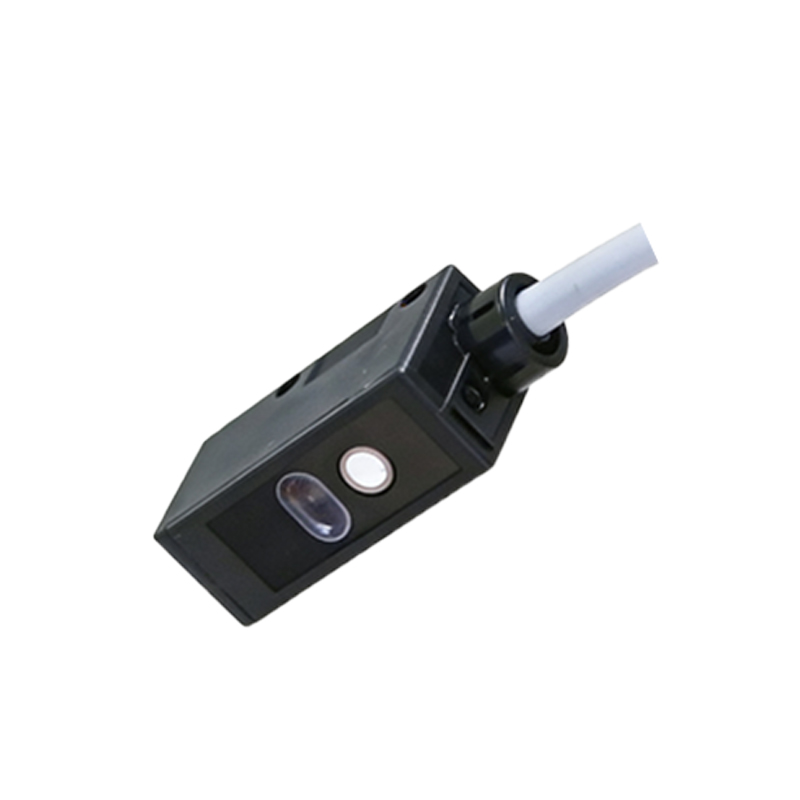
When assessing a cost-effective sensor, focus on three core specifications. First, sensing mode: through-beam sensors offer the longest range but require alignment, while diffuse reflective sensors are easier to install and suitable for short-range applications. Second, output type: NPN or PNP transistors should match your PLC input. Third, environmental rating: IP65 or higher is recommended for dusty or wet factories. For example, a compact M18 threaded sensor with a 4-meter range, 10-30V DC operation, and a built-in LED indicator typically costs $30 to $50. This configuration suits most assembly lines without overspending.
Case Study: Implementing Budget-Friendly Sensors
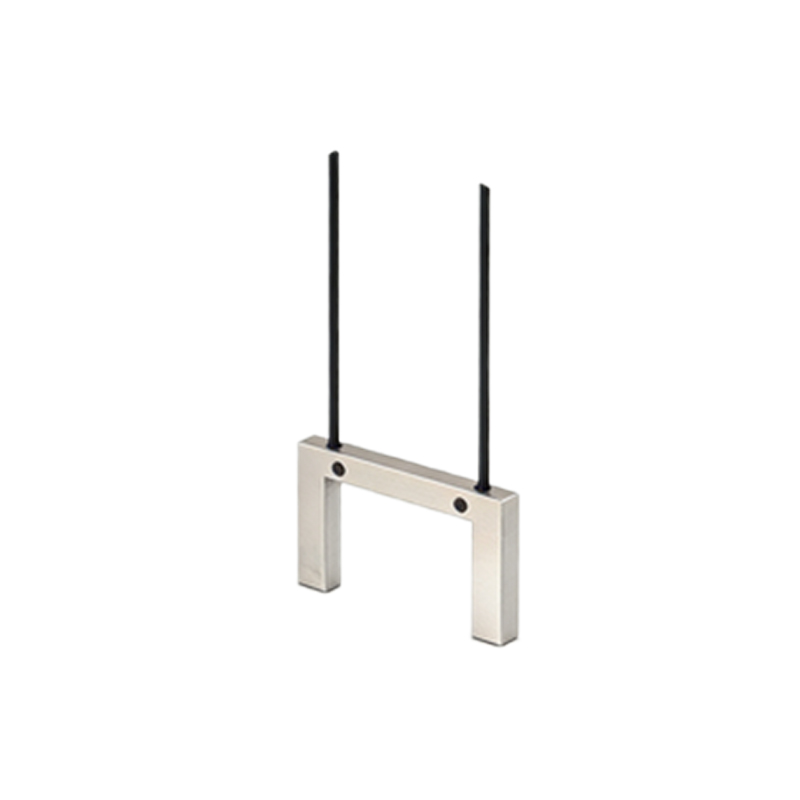
In a recent project, our team replaced expensive European-brand sensors with mid-range Asian models from a reputable supplier. The new sensors, priced at $35 each, featured a 5-meter range and NPN output. We installed them on a bottle-filling line where they detected glass containers at 120 units per minute. After six months of operation, the failure rate was under 1%, significantly lower than the 3% rate of the previous cheaper alternatives. This demonstrates that a thoughtfully chosen sensor, not necessarily the cheapest, delivers the best return on investment.
Tips for Sourcing and Testing
To ensure you get a competitive price, request samples from multiple vendors and perform bench tests. Check for consistency in detection under ambient light variations. Also, consider bulk purchases or long-term contracts to negotiate discounts. Many suppliers offer free technical support for first-time buyers, which can help you avoid common pitfalls like incorrect wiring or mounting angle. Finally, review the warranty terms: a 2-year warranty often indicates reliable manufacturing.
Conclusion: Smart Investment in Automation
Price-appropriate photoelectric sensors are not about cutting corners but about optimizing value. By understanding your application's specific needs—range, environment, and output type—you can select a sensor that performs well without unnecessary costs. As an engineer, I recommend always testing a small batch before scaling up. This approach ensures your automation system remains both efficient and economical.