The Critical Role of Photoelectric Sensors in Photovoltaic Systems
In modern photovoltaic (PV) power plants, photoelectric sensors are essential for tracking solar panels, monitoring inverter status, and ensuring safety in automated cleaning robots. Unlike general industrial sensors, PV-specific sensors must withstand extreme UV radiation, wide temperature swings (from -40°C to +85°C), and high humidity. As an electrical engineer, selecting the right manufacturer directly impacts system uptime and maintenance costs.
Key Technical Specifications for PV-Dedicated Sensors
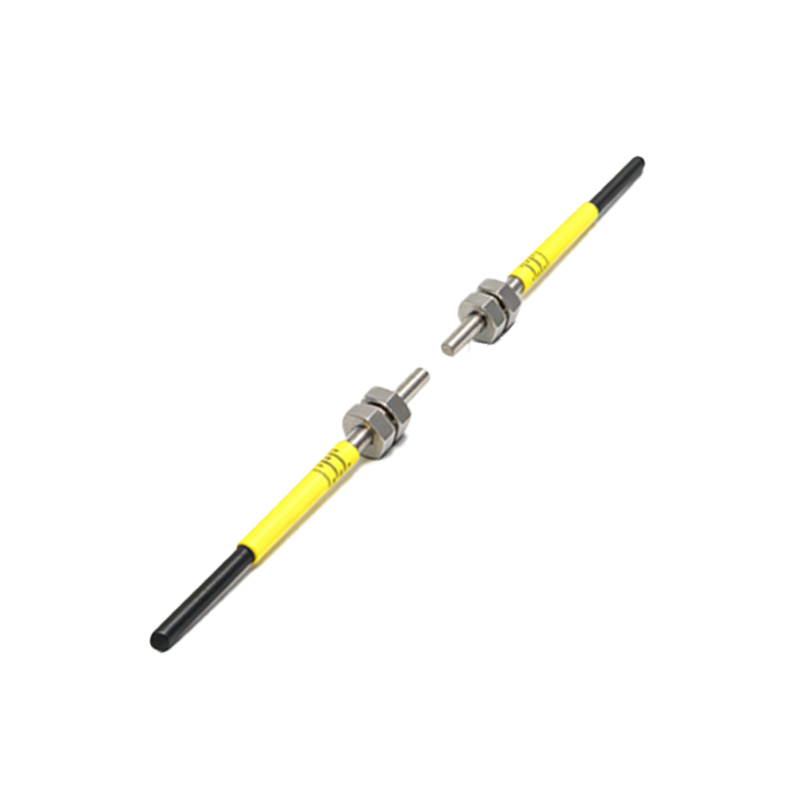
When evaluating manufacturers, focus on these core parameters: IP67 or higher ingress protection rating is mandatory for outdoor installations; response time should be under 1 ms to handle fast-moving tracking systems; and output types must support both NPN and PNP configurations for compatibility with various PLCs. Additionally, look for sensors with built-in surge protection to handle lightning-induced transients common in open-field PV arrays.
Leading Manufacturers in the Global Market
Several companies have established strong reputations in the PV sector. SICK AG (Germany) offers the WTB4-3P series with UV-resistant housings and background suppression technology. Banner Engineering (USA) provides the QS18VP6LV series, known for its long sensing range and weatherproof design. Omron (Japan) delivers the E3Z-LL series with advanced optical filters to reduce false triggering from sunlight glare. Pepperl+Fuchs (Germany) specializes in the NBB20-U1 series, featuring stainless steel enclosures for corrosive environments like coastal solar farms.
Quality Assurance and Certifications
A reputable manufacturer will hold certifications such as ISO 9001 for quality management, IEC 60947-5-2 for proximity switches, and UL 508 for industrial control equipment. For PV-specific applications, confirm that sensors meet the RoHS and REACH directives for environmental compliance. Third-party test reports from TÜV or SGS on UV aging and thermal cycling performance are strong indicators of reliability.
Supply Chain and Customization Capabilities
Global PV projects often require large quantities with tight delivery schedules. Evaluate manufacturers based on their production capacity (e.g., monthly output above 100,000 units), lead times, and warehouse locations in key markets like China, Europe, or the US. Top-tier vendors also offer customization: special cable lengths (e.g., 15-meter M12 connectors), connector types (e.g., Deutsch DT for heavy-duty applications), and custom sensing windows for unique panel geometries.
Case Study: Sensor Selection for a 500 MW Desert Solar Farm
In a recent project in the Middle East, the engineering team specified sensors from SICK due to their proven track record in sand-dust environments. The WTB4-3P sensors were installed on single-axis trackers, operating at 98.7% uptime over two years with zero false triggers during sandstorms. The key was the sensor’s adjustable background suppression filter, which ignored dust particles while maintaining precise edge detection on the panel frames.
Conclusion: Balancing Cost and Long-Term Performance
While low-cost manufacturers may offer initial savings, the total cost of ownership for PV sensors includes replacement labor, downtime losses, and reduced energy yield. For critical tracking and safety applications, invest in sensors from established brands with field-proven reliability. Always request sample units for a 30-day field test before committing to large-scale procurement. A 10-15% premium on sensor cost can yield 3-5% higher system efficiency over a 25-year plant lifespan.