Introduction to the CZ21 Photoelectric Sensor
The CZ21 is a high-performance photoelectric sensor designed for precision detection in industrial automation. As a through-beam type sensor, it consists of a separate emitter and receiver, ensuring reliable object detection over distances up to 15 meters. Its rugged IP67-rated housing makes it suitable for harsh environments, including dusty or wet conditions. Key features include a fast response time of 1 ms, compatibility with 12-24 VDC power supplies, and an NPN or PNP output configuration. This sensor is widely used in packaging, material handling, and assembly lines where stable detection of opaque objects is critical.
Working Principle and Technical Specifications
The CZ21 operates on the principle of light beam interruption. The emitter continuously projects an infrared beam toward the receiver. When an object breaks the beam, the receiver detects the change and triggers an output signal. This design offers immunity to ambient light interference and ensures high accuracy even with small or fast-moving objects. Technical specifications include a sensing distance of 0-15 m, a light source wavelength of 940 nm, and a supply voltage range of 10-30 VDC. The sensor also features a built-in reverse polarity protection and short-circuit protection, enhancing its durability in industrial settings.
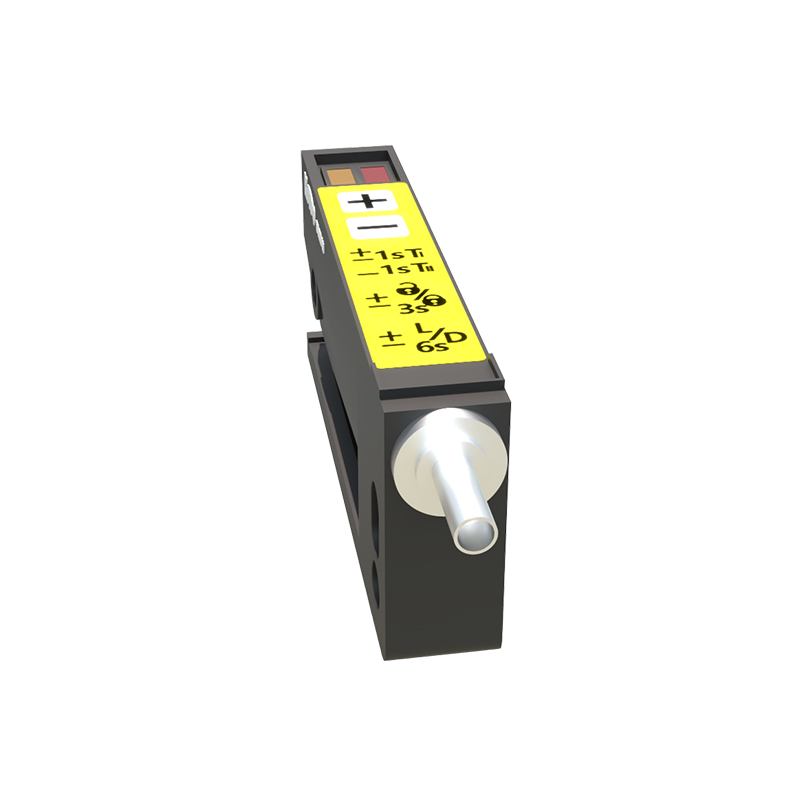
Installation and Wiring Guidelines
Proper installation is essential for optimal performance of the CZ21. Mount the emitter and receiver on stable surfaces, aligning them precisely along the optical axis. The recommended distance between the sensor and the target object should be within the specified range. For wiring, connect the brown wire to the positive power supply (12-24 VDC), the blue wire to ground, and the black wire to the load. Ensure the output type (NPN or PNP) matches your control system. Use shielded cables for long-distance runs to minimize electromagnetic interference. Always verify alignment after installation using the built-in LED indicator, which glows steady when the beam is properly aligned.
Common Applications and Benefits
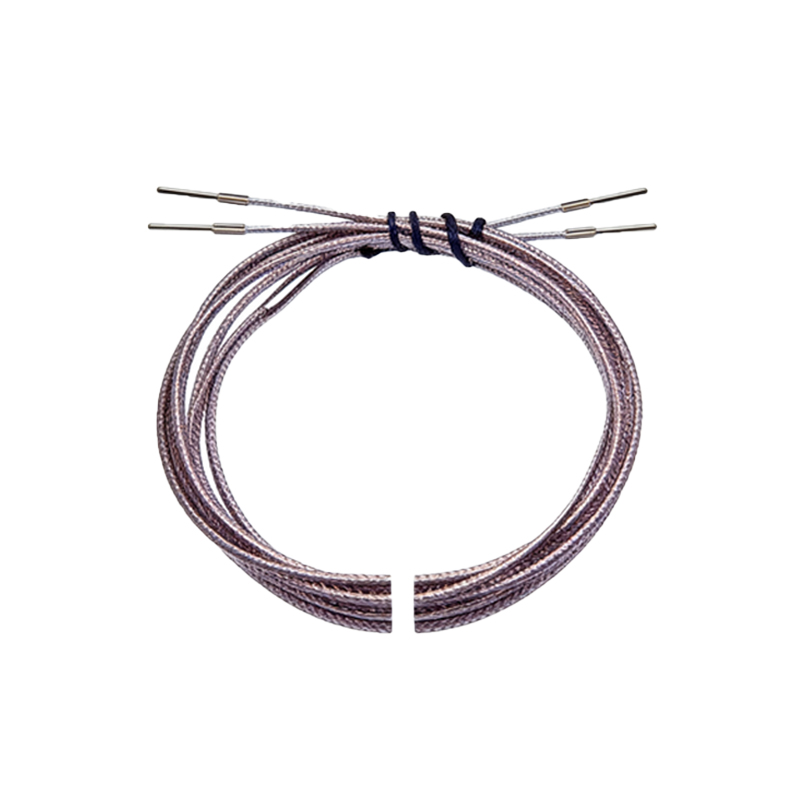
The CZ21 excels in applications requiring long-range detection and high reliability. In packaging lines, it verifies the presence of boxes or labels. In conveyor systems, it detects jams or missing items. Its through-beam design allows it to detect transparent or reflective materials that might challenge other sensor types. Benefits include minimal maintenance due to its solid-state design, low power consumption, and consistent performance in varying light conditions. The sensor also features a compact form factor (30 mm diameter, 60 mm length), making it easy to integrate into existing machinery.
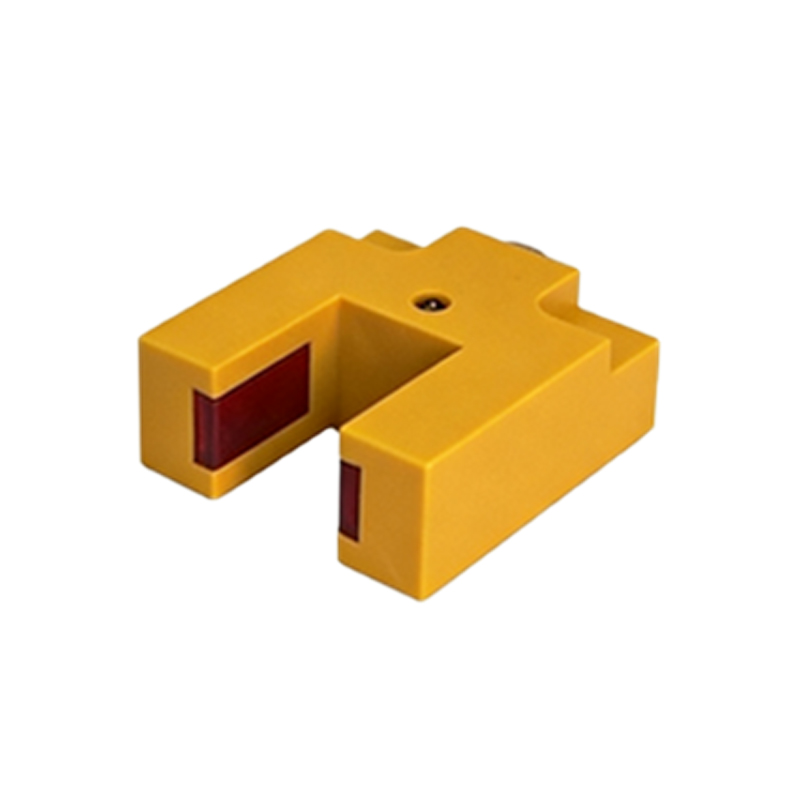
Troubleshooting and Maintenance Tips
To ensure long-term operation, regularly inspect the sensor lenses for dust or debris. Clean them with a soft, lint-free cloth and isopropyl alcohol. If the output signal is unstable, check for misalignment or electrical noise. The LED indicator can help diagnose issues: a flashing light suggests weak alignment, while no light indicates a power or connection problem. Replace the sensor if the sensing distance degrades below 80% of the rated value. Always power down the system before performing any maintenance to prevent electric shock.
Conclusion: Why Choose the CZ21 for Your Automation Needs
The CZ21 stands out for its robustness, precision, and ease of use. Its through-beam design delivers unparalleled reliability for critical detection tasks, while its industrial-grade construction ensures a long service life. For engineers seeking a cost-effective solution for long-range sensing, the CZ21 offers a proven track record in demanding environments. By adhering to the installation and maintenance guidelines outlined above, you can maximize its performance and reduce downtime in your automation processes.