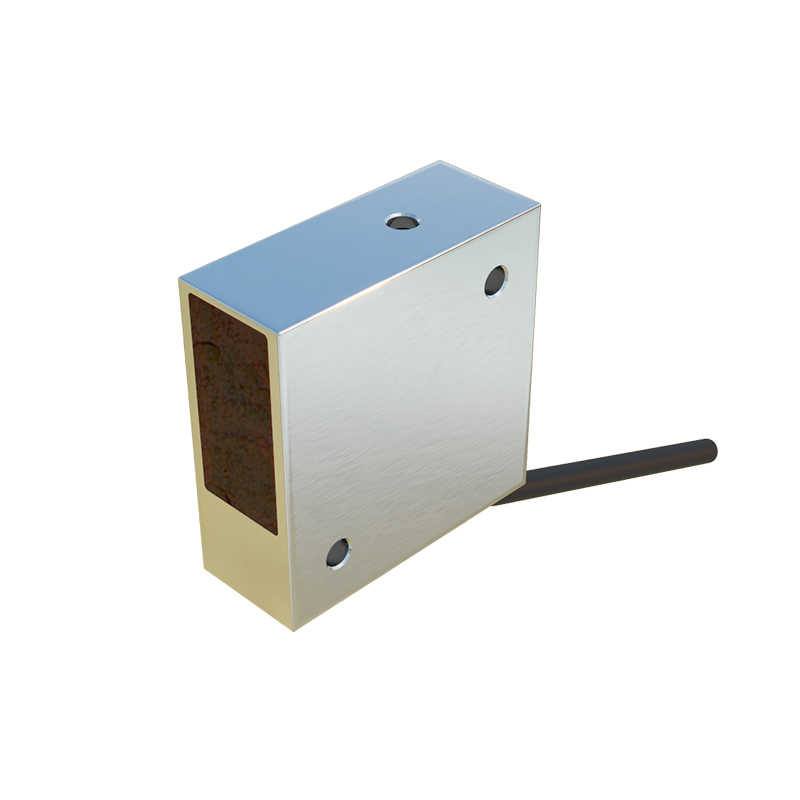
1. Through-Beam Sensors: High Reliability in Harsh Environments
Through-beam photoelectric sensors consist of a separate transmitter and receiver placed opposite each other. The transmitter emits a continuous beam of light, typically infrared or visible red, which the receiver detects. When an object interrupts this beam, the sensor output changes. These sensors offer the longest sensing range, often exceeding 30 meters, and are highly immune to contamination from dust, fog, or oil films because the light path is direct and intense. However, they require precise alignment and have a larger footprint due to two separate housings. Applications include warehouse door safety systems, conveyor belt object detection, and long-distance counting in industrial automation.
2. Retro-Reflective Sensors: Compact Design with Moderate Range
Retro-reflective sensors integrate the emitter and receiver in a single housing, using a reflector mounted opposite the sensor. The emitted light bounces off the reflector and returns to the receiver. When an object blocks this reflected beam, the sensor triggers. The sensing range typically extends up to 10 meters, making them suitable for medium-distance applications. A key advantage is simpler installation compared to through-beam types, as only one unit needs wiring. However, reflective surfaces like shiny metal or high-gloss materials can cause false readings. Polarized retro-reflective sensors are recommended for such cases, as they filter out random reflections. Common uses include packaging line detection, pallet positioning, and automated storage systems.
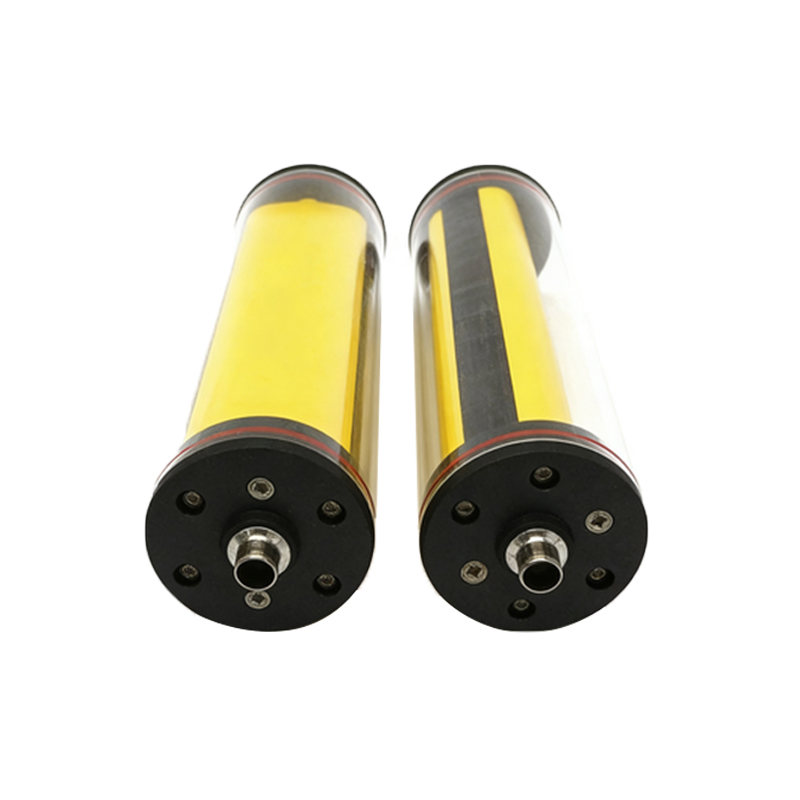
3. Diffuse Reflection Sensors: Single Unit for Short-Range Detection
Diffuse reflection sensors combine the emitter and receiver in one housing, with no separate reflector. The emitted light reflects off the target object itself and returns to the receiver. These sensors are ideal for short-range applications, typically up to 2 meters, and are very easy to install since only the sensor unit needs mounting. Their performance heavily depends on the object's surface color, texture, and material—dark or matte surfaces reduce detection range significantly. Background suppression versions use triangulation or time-of-flight technology to ignore distant backgrounds, ensuring reliable detection of objects near the sensor. Typical applications include part presence verification in assembly lines, bottle cap detection, and small parts counting.
4. Key Selection Criteria for Engineers
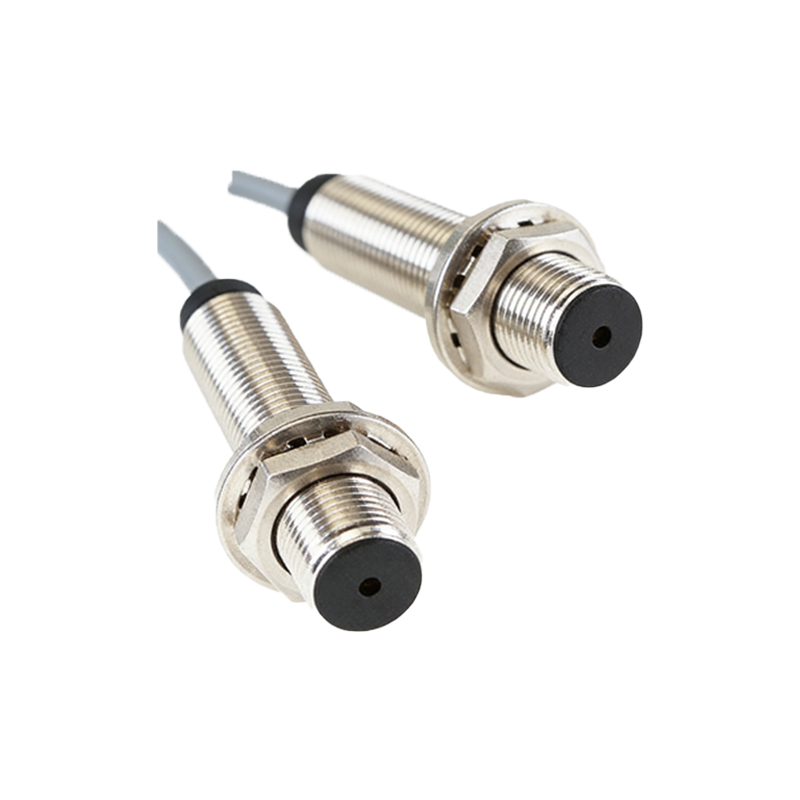
When choosing a photoelectric sensor, consider the following factors: first, sensing distance—through-beam offers the longest range, while diffuse is best for short distances. Second, environmental conditions—through-beam excels in dirty or foggy environments. Third, object characteristics—diffuse sensors are sensitive to object color and reflectivity. Fourth, mounting constraints—retro-reflective and diffuse sensors need less space and wiring. Finally, cost and complexity—through-beam systems are more expensive due to separate components. For challenging applications, modern sensors with IO-Link communication provide diagnostic data, such as signal margin and contamination warnings, aiding predictive maintenance.
5. Emerging Trends: Smart Sensors and Industry 4.0 Integration
Recent advancements include photoelectric sensors with built-in digital interfaces like IO-Link, enabling real-time parameter adjustment and condition monitoring. Multi-beam sensors can detect object profiles and sizes, not just presence. Laser-based diffuse sensors offer millimeter-precision for high-speed production lines. Additionally, background suppression using time-of-flight (ToF) technology is becoming common in diffuse sensors, allowing reliable detection even with complex backgrounds. Engineers should evaluate these options when upgrading legacy systems to improve reliability and reduce downtime.