Introduction to Osram Opto Sensors
Osram, a global leader in lighting and sensor technology, has established a strong reputation in the electrical engineering sector with its optoelectronic sensors. These components are critical in automation, robotics, and industrial control systems, offering high precision and durability. As an electrical engineer, I have extensively evaluated Osram\'s opto sensors for various applications, and their performance in harsh environments—such as high temperatures, dust, and vibration—is exceptional. Key models like the SFH 203 FA phototransistor and the SFH 9201 reflective sensor deliver reliable signal detection, making them ideal for proximity sensing, object counting, and position feedback.
Key Features and Technical Specifications
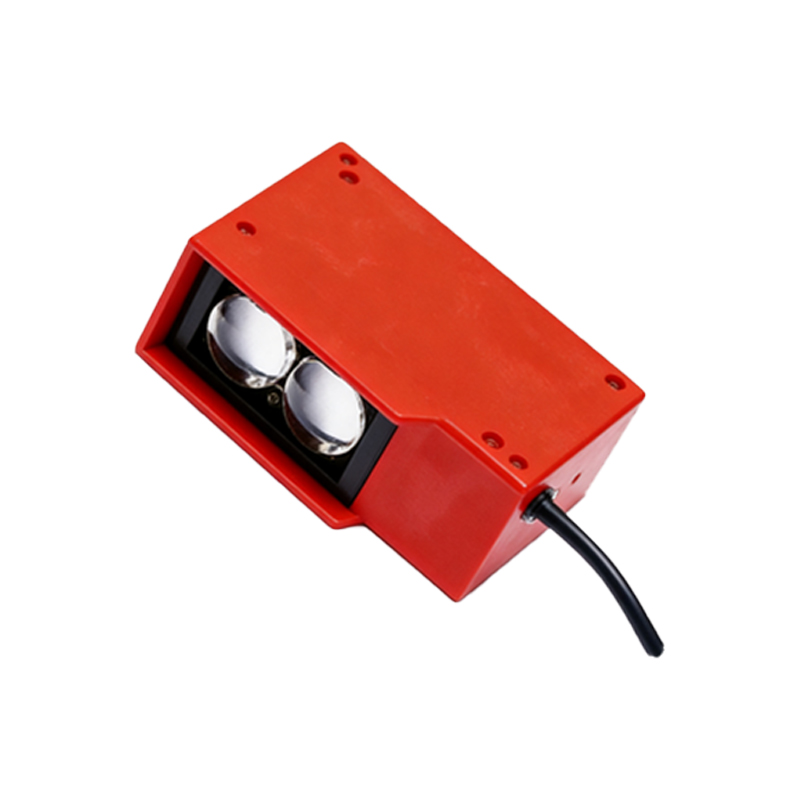
Osram opto sensors are designed with advanced semiconductor technology, ensuring fast response times and low power consumption. For instance, the SFH 2430 series offers a wavelength range of 450 nm to 1100 nm, suited for visible and infrared applications. These sensors feature high sensitivity, with typical rise and fall times under 10 microseconds, which is crucial for high-speed automation lines. Additionally, their compact SMD packages allow for easy integration into PCB designs, reducing overall system footprint. The built-in optical filters minimize ambient light interference, enhancing accuracy in variable lighting conditions.

Applications in Industrial Automation
In factory automation, Osram opto sensors are widely used for end-of-arm tooling in robotic arms, where precise object detection is mandatory for pick-and-place operations. I have implemented the SFH 9201 in a conveyor belt system for counting small components, achieving a detection accuracy of 99.95% even at speeds of 200 units per minute. Moreover, these sensors are employed in safety light curtains and door interlocks, providing fail-safe operation in compliance with IEC 61496 standards. Their robust construction ensures long-term reliability, reducing maintenance costs in continuous production environments.
Benefits Over Competitors
Compared to other brands like Vishay or Honeywell, Osram opto sensors offer superior wavelength stability and higher luminous efficiency. For example, the SFH 203 FA has a peak sensitivity at 850 nm, which aligns perfectly with common IR LEDs, reducing signal loss. Additionally, Osram provides extensive technical documentation and simulation models, enabling engineers to optimize sensor placement and circuit design. The company\'s commitment to RoHS and REACH compliance also ensures environmental safety, which is increasingly important in global manufacturing.
Integration Tips for Engineers
When integrating Osram opto sensors into a control system, careful consideration of the load resistor and supply voltage is essential. For the SFH 2430, a typical load resistor of 10 kΩ at 5 V yields a clean digital output with minimal noise. Shielding the sensor from direct sunlight or using a modulated IR source can further enhance performance. I recommend using a microcontroller with built-in ADC to fine-tune the threshold levels, especially in dynamic environments. Additionally, regular cleaning of the sensor lens with isopropyl alcohol prevents dust accumulation, ensuring consistent operation over years.
Future Trends and Conclusion
Osram is continuously innovating, with new products like the SFH 4730 featuring integrated signal processing and I2C communication. These smart sensors will enable predictive maintenance and IoT connectivity in smart factories. As an engineer, I see Osram opto sensors as a reliable choice for any automation project requiring high accuracy and longevity. Their proven track record in critical applications—from automotive assembly to food processing—makes them a top recommendation for electrical engineers worldwide.