Understanding the Role of Photoelectric Sensors in Modern Industry
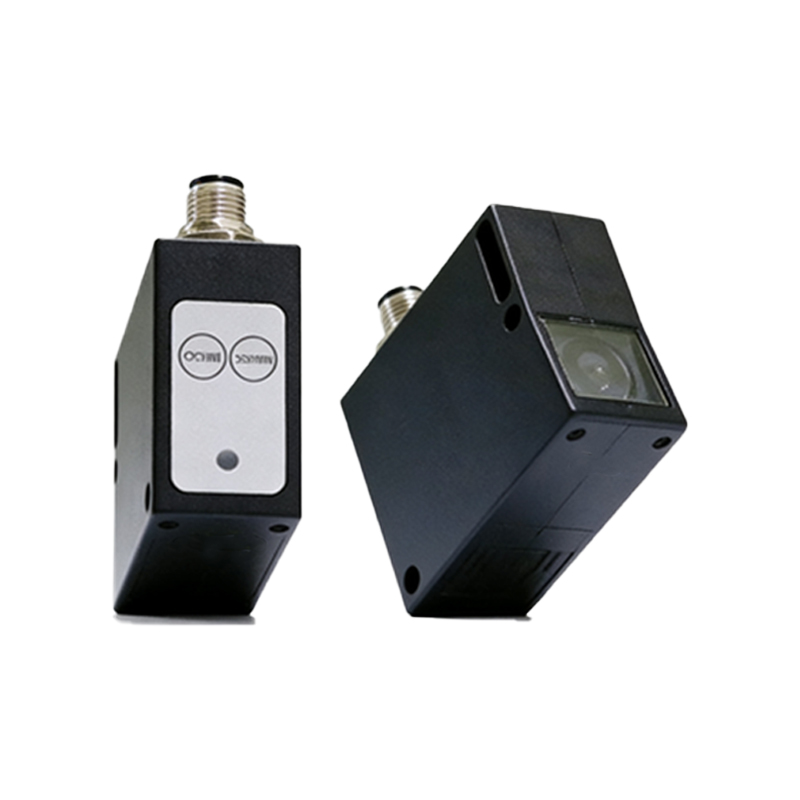
Photoelectric sensors are critical components in industrial automation, enabling precise detection of objects, distances, and positions without physical contact. These sensors use light beams—typically visible or infrared—to detect the presence or absence of targets, making them indispensable in manufacturing lines, packaging systems, and logistics. For electrical engineers, selecting the right sensor company involves evaluating factors like response time, environmental resistance, and integration capabilities. Leading companies now offer sensors with advanced features such as IO-Link communication, background suppression, and high immunity to ambient light, ensuring reliable performance in harsh factory floor conditions.
Key Players in the Photoelectric Sensor Market
Several global companies dominate the photoelectric sensor landscape, each known for its engineering excellence and product diversity. SICK AG, a German firm, specializes in robust sensors for harsh environments, including the W4-3 series with high-speed detection. Omron Corporation from Japan offers the E3AS series, which combines long-range sensing with compact designs. Banner Engineering, based in the U.S., provides QS30 sensors with adjustable detection windows. Additionally, Pepperl+Fuchs and Keyence are renowned for their innovative approaches, such as Pepperl+Fuchs' ASIC-powered sensors for reducing false signals and Keyence's LR-Z series with metal housing for extreme durability. These companies invest heavily in R&D to meet evolving automation demands.
Innovations Driving Photoelectric Sensor Technology
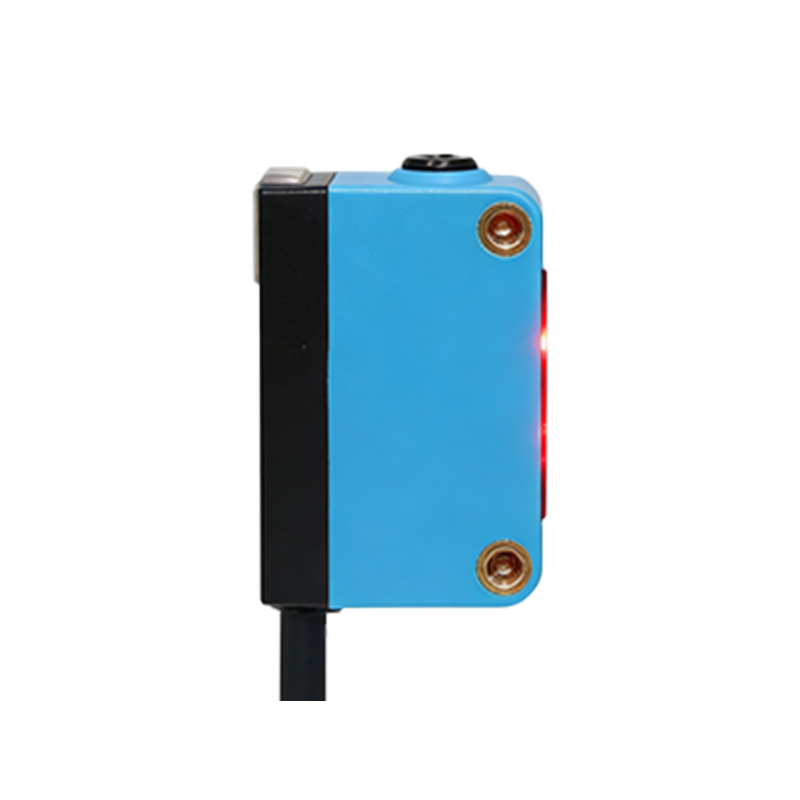
Recent advancements in photoelectric sensor design focus on enhancing accuracy, connectivity, and durability. For instance, many companies now integrate digital signal processors (DSPs) to filter out noise and improve detection in dusty or wet conditions. The adoption of laser-based sensors, such as SICK's DT35 series, allows for millimeter-level precision over distances up to 10 meters. Furthermore, the incorporation of IO-Link 1.1 standards enables real-time data exchange with programmable logic controllers (PLCs), facilitating predictive maintenance and process optimization. Some manufacturers also introduce self-diagnostic algorithms that alert engineers to sensor degradation, reducing downtime in critical applications.
Application-Specific Solutions from Leading Companies
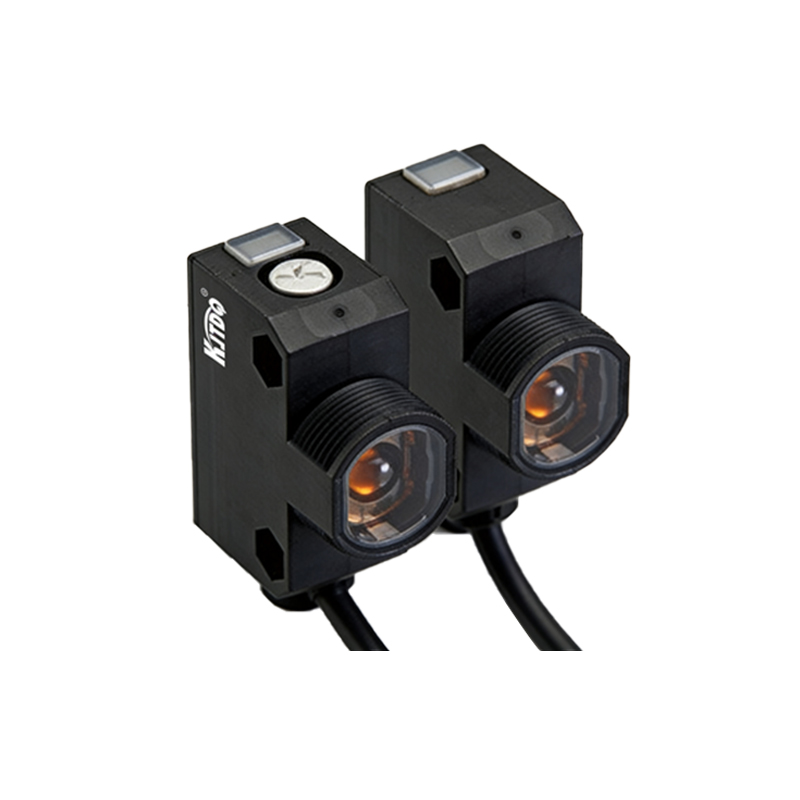
Different industries require tailored sensor solutions, and top photoelectric sensor companies provide specialized products for each sector. In the automotive industry, Banner Engineering's Q4X series offers reliable detection of dark targets on reflective surfaces, essential for robotic welding cells. For the food and beverage sector, Omron's E3Z-T81 series features stainless steel housing and IP69K ratings to withstand high-pressure washdowns. In logistics, Keyence's SL-C30L series uses laser triangulation to detect small parcels on fast-moving conveyor belts. Pepperl+Fuchs also excels in extreme-temperature applications, offering sensors rated from -40°C to 85°C for steel mills and foundries. Such specialization ensures that engineers can match sensor capabilities to specific operational challenges.
Evaluating Sensor Quality and Reliability
When selecting a photoelectric sensor supplier, electrical engineers must consider factors beyond basic specifications. Environmental robustness is paramount, with top companies providing sensors rated IP67 or higher for dust and water resistance. Response time, often measured in microseconds, directly impacts throughput in high-speed lines. Additionally, reliability metrics like mean time between failures (MTBF) are published by reputable firms such as SICK, with some models achieving MTBF over 500,000 hours. Engineers should also review certification compliance, including CE, UL, and EAC marks, to ensure compatibility with regional safety standards. Field tests and customer case studies further validate a sensor's performance in real-world conditions.
Future Trends in Photoelectric Sensor Development
The photoelectric sensor industry is moving toward smarter, more connected devices. Companies like Omron and Banner Engineering are integrating artificial intelligence (AI) for adaptive learning, allowing sensors to auto-calibrate in changing environments. The push for Industry 4.0 is driving the adoption of Ethernet-based sensors, such as SICK's EtherNet/IP models, which simplify integration with factory networks. Additionally, miniaturization trends, seen in Pepperl+Fuchs' M8-series sensors, enable installation in space-constrained robotic arms. Sustainability is also becoming a focus, with manufacturers reducing power consumption and using recyclable materials. As automation expands into new sectors like autonomous mobile robots (AMRs), photoelectric sensors will continue to evolve to meet these demands.