Introduction to Photoelectric Sensor Mounting Brackets
In modern industrial automation, photoelectric sensors are critical for object detection, positioning, and quality control. However, the performance of these sensors heavily relies on the stability and precision of their mounting brackets. A poorly designed or installed bracket can lead to misalignment, false signals, and costly downtime. As an electrical engineer, I emphasize that choosing the correct mounting bracket is not an afterthought but a fundamental part of system design.
Types of Mounting Brackets and Their Applications
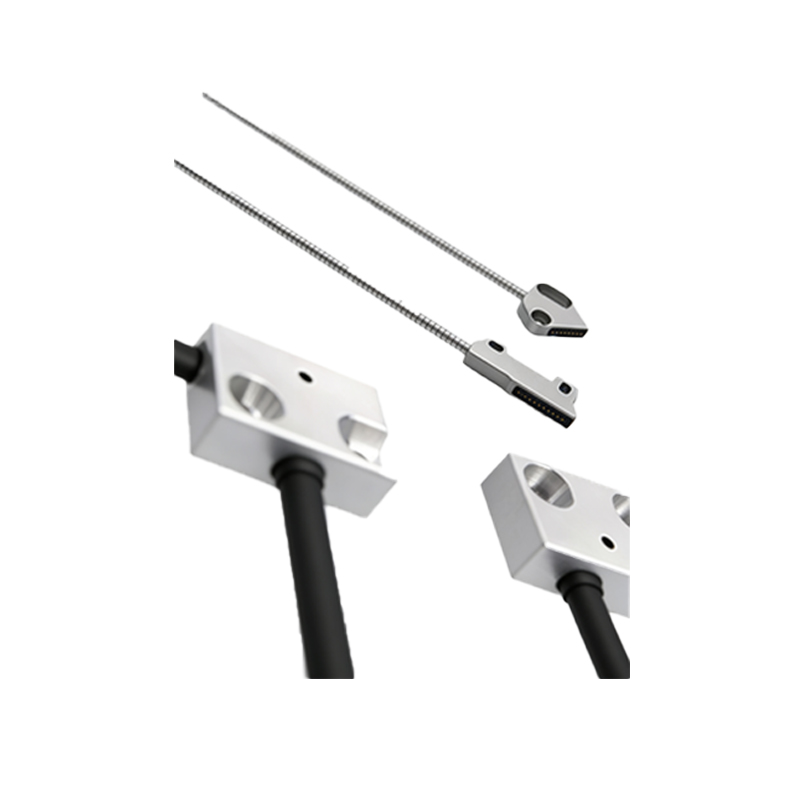
Mounting brackets for photoelectric sensors come in various configurations: L-brackets, U-brackets, swivel brackets, and adjustable-angle brackets. L-brackets offer simple, fixed positioning for through-beam sensors, while U-brackets provide robust support for retro-reflective models. Swivel brackets are ideal for diffuse sensors requiring frequent angular adjustments in conveyor systems. For harsh environments, stainless steel brackets with corrosion-resistant coatings are recommended to maintain alignment integrity over time.
Material Selection and Durability Factors
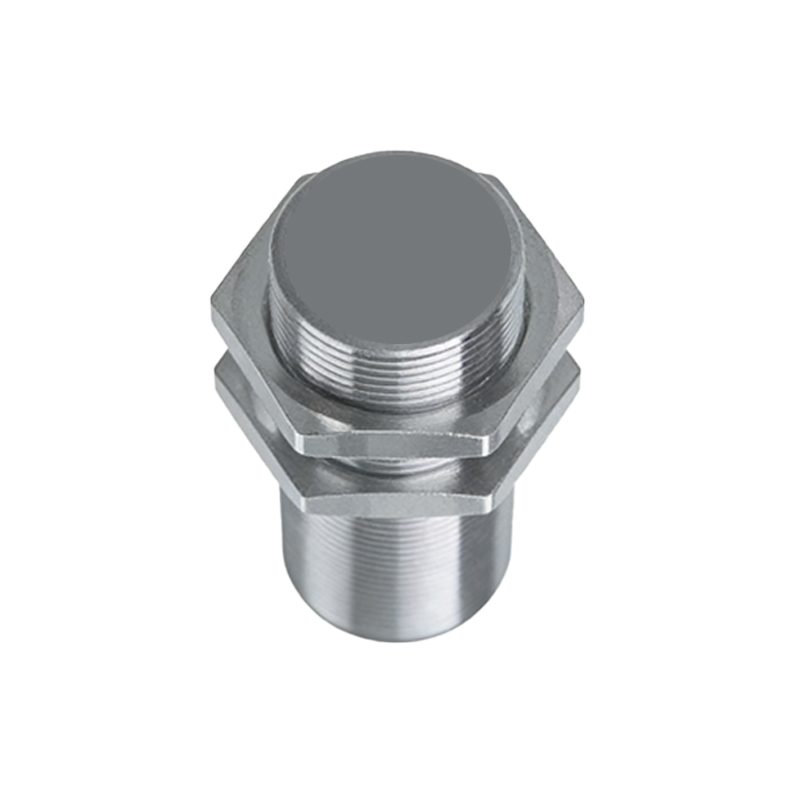
The material of the connection bracket directly impacts sensor reliability. Common materials include aluminum alloy, stainless steel, and reinforced plastic. Aluminum brackets are lightweight and cost-effective for dry indoor applications. Stainless steel (304 or 316 grade) is essential for food processing or chemical plants due to its resistance to corrosion and vibration. Plastic brackets, though less durable, offer electrical insulation and reduce weight in robotic arms. Always verify the bracket's temperature rating and load capacity to match the sensor's specifications.
Installation Best Practices for Precision Alignment
Proper installation is key to maximizing sensor performance. First, ensure the bracket is securely fastened to a rigid surface using torque-controlled bolts to avoid loosening from machinery vibration. Second, use alignment tools such as laser pointers or target plates to position the sensor exactly at the recommended sensing distance. For through-beam sensors, both emitter and receiver must be perfectly coaxial. Lastly, incorporate cable management clips to prevent tension on the sensor connector, which can cause intermittent faults.
Troubleshooting Common Bracket-Related Issues
Frequent sensor failures often originate from bracket problems. If a sensor triggers erratically, inspect the bracket for loosening or bending caused by thermal expansion or mechanical shock. For diffuse sensors, check if the bracket angle has shifted due to accumulated debris or accidental contact. In high-vibration environments, consider adding vibration-damping pads between the bracket and the mounting surface. Remember to recalibrate the sensor after any bracket adjustment.
Conclusion: Optimizing System Reliability with the Right Bracket
Selecting and installing the correct photoelectric sensor mounting bracket is a small but vital step in ensuring robust automation performance. By understanding bracket types, materials, and installation techniques, engineers can significantly reduce maintenance costs and improve production line efficiency. Always consult the sensor manufacturer's datasheet for recommended bracket specifications and torque values.