Introduction to Photoelectric Sensors in Brick Manufacturing
Photoelectric sensors are critical components in modern brick manufacturing facilities, enabling automated detection, positioning, and quality control. These sensors use light beams to detect the presence, absence, or distance of objects without physical contact, making them ideal for harsh environments like brick kilns and conveyor systems. In the brick industry, where high temperatures, dust, and vibration are common, robust photoelectric sensors ensure continuous operation, reduce downtime, and improve overall productivity. By replacing manual inspection, they enhance safety and precision in sorting, stacking, and packaging processes.
Key Applications of Photoelectric Sensors in Brick Plants
In a typical brick production line, photoelectric sensors are deployed for multiple tasks. First, they monitor the flow of raw materials on conveyors, triggering alarms or stopping belts when blockages occur. Second, they detect brick presence at molding stations to ensure consistent shape and size. Third, sensors positioned at kiln entries verify that bricks are correctly spaced for uniform firing. Additionally, they control automatic stacking robots by identifying brick positions, and they inspect finished products for defects like cracks or chipped edges. These applications minimize waste and maintain high throughput.
Selecting the Right Sensor for Harsh Brick Plant Conditions
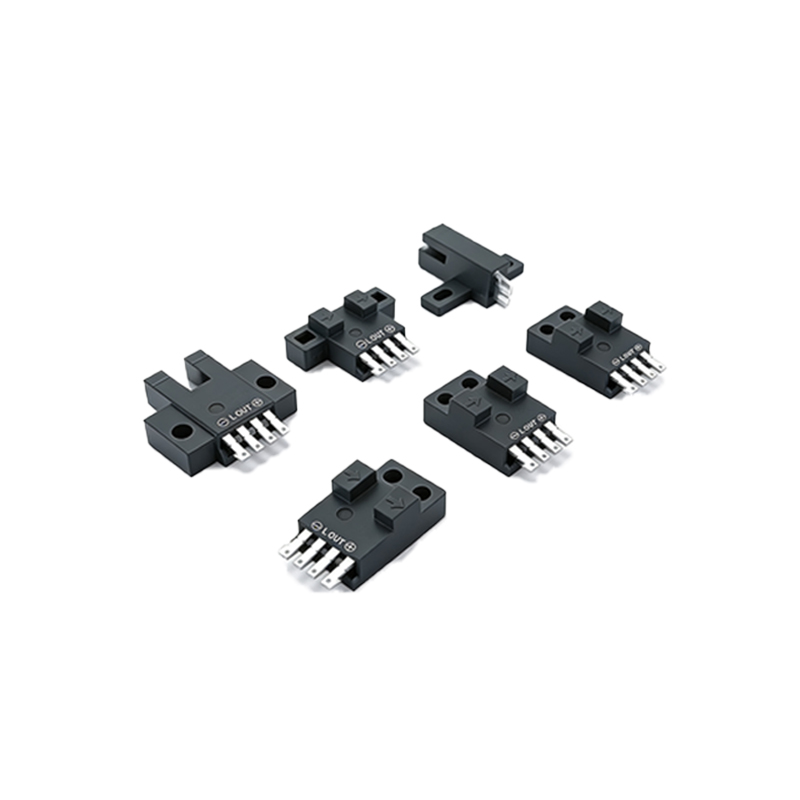
Choosing the correct photoelectric sensor for a brick plant requires considering environmental factors. For dusty areas, through-beam sensors with long range and high immunity to contamination are preferred. In high-temperature zones near kilns, sensors with heat-resistant housings and fiber-optic cables are necessary. Retro-reflective sensors are useful for medium-range detection on conveyors, while diffuse sensors work well for short-range object presence. IP67 or IP69K ratings are essential to protect against water and dust ingress. Engineers should also evaluate output types (PNP, NPN, or analog) to match PLC or control system interfaces.
Installation Tips for Reliable Sensor Performance
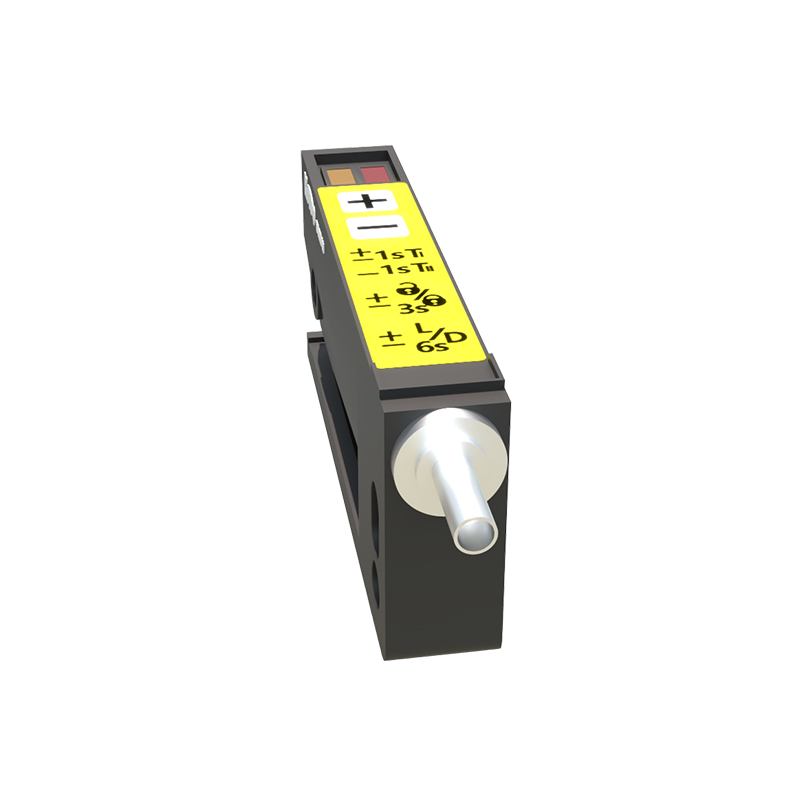
Proper installation is vital for sensor longevity and accuracy. Mount sensors at least 10 cm away from vibrating machinery to avoid false triggers. Align emitter and receiver pairs carefully for through-beam systems, and use sturdy brackets to prevent misalignment. In areas with heavy dust, install air purge systems or regular cleaning schedules. For sensors near kilns, use heat shields or remote mounting with fiber optics. Cable routing should avoid sharp bends and heat sources, and all connections must be sealed to prevent moisture ingress. Regular calibration checks every shift can maintain precision.
Maintenance and Troubleshooting Best Practices
To sustain sensor performance, implement a preventive maintenance routine. Clean sensor lenses daily with a soft cloth and non-abrasive cleaner. Check alignment weekly, especially after equipment repairs. Monitor signal strength via diagnostic LEDs; weak signals indicate dirt or misalignment. Common issues include false triggering due to reflective surfaces or ambient light, which can be mitigated by using polarized sensors or adjusting sensitivity. If sensors fail, test with a known good unit to isolate wiring or power supply problems. Keep spare sensors for critical points to minimize production stoppages.
Future Trends: Smart Sensors and Industry 4.0 Integration
The brick industry is adopting Industry 4.0 technologies, and photoelectric sensors are evolving accordingly. Smart sensors with IO-Link communication provide real-time diagnostics, parameter adjustment, and predictive maintenance alerts. They can integrate with plant-wide SCADA systems to monitor production metrics and detect anomalies. Additionally, laser-based photoelectric sensors offer higher precision for quality inspection of brick dimensions. These advancements enable brick plants to achieve higher automation, lower energy consumption, and data-driven optimization, positioning them for competitive advantage in the global market.