Conclusion and Recommendations
Photoelectric sensors are critical components in modern industrial automation, enabling precise detection and positioning of objects without physical contact. This article explores a dedicated photoelectric sensor positioning system, designed to enhance accuracy and reliability in manufacturing environments. By integrating advanced optics and signal processing, the system ensures consistent performance under varied conditions, from high-speed assembly lines to harsh factory floors.
Core Technology and Operating Principles
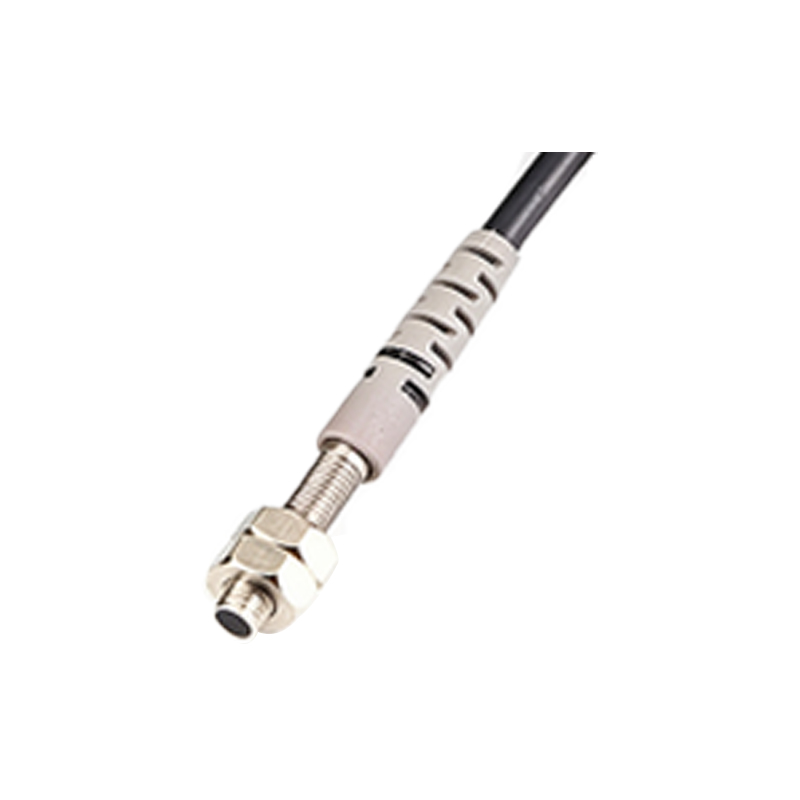
The positioning system operates based on the interruption or reflection of light beams between an emitter and receiver. A focused light source, typically a laser or LED, targets a reflective marker or object. Changes in light intensity or timing are converted into electrical signals, which are processed by a microcontroller to calculate exact position. Key features include immunity to ambient light interference, fast response times (below 1 microsecond), and support for multiple sensing modes such as through-beam, retro-reflective, and diffuse.
Key Advantages in Industrial Applications
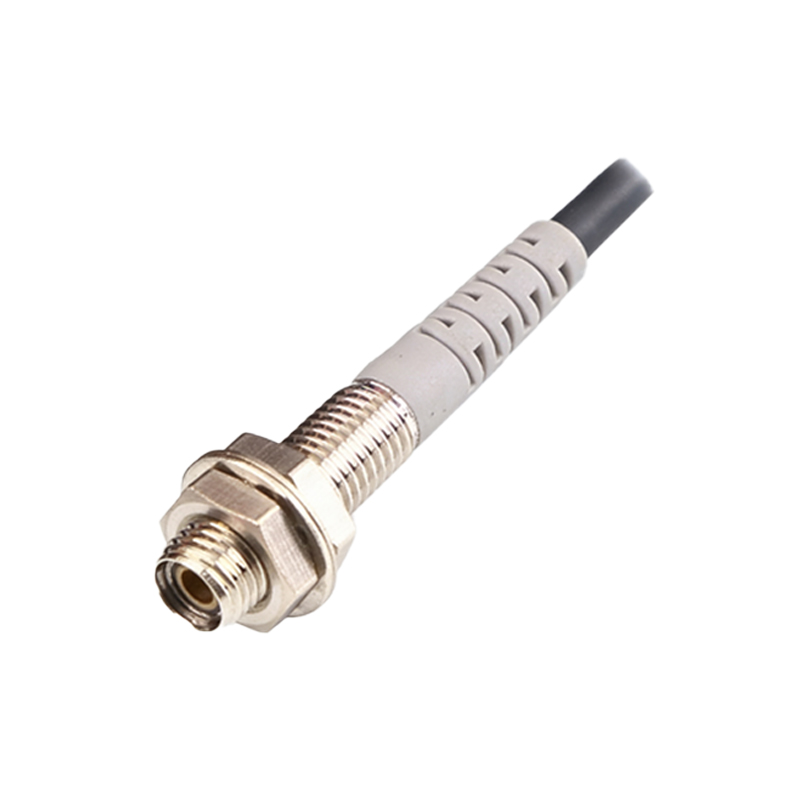
This photoelectric positioning system offers distinct benefits over mechanical or capacitive alternatives. Its non-contact operation eliminates wear and tear, reducing maintenance costs. High resolution, often down to 0.01 mm, allows for precise alignment in tasks like PCB assembly or robotic arm calibration. Additionally, rugged IP67-rated housings ensure durability against dust, moisture, and vibration, making it suitable for automotive, packaging, and logistics industries.
Installation and Calibration Guidelines
Proper installation is crucial for optimal performance. Mount the sensor at a stable location with a clear line of sight to the target. For through-beam models, align the emitter and receiver within a 5-degree tolerance. Use the provided calibration software to set sensitivity thresholds and response delays. In dynamic environments, employ the teach-in function to adapt to varying object sizes or speeds. Regular cleaning of optical surfaces with lint-free cloths prevents signal degradation.
Case Study: Improving Assembly Line Efficiency
A leading electronics manufacturer implemented this system on a conveyor belt for component sorting. Before installation, 3% of parts were mispositioned due to sensor drift. After integrating the photoelectric positioning system, error rates dropped to 0.2%, and throughput increased by 15%. The system's ability to detect transparent and shiny materials, previously challenging for standard sensors, was a key factor in this success.
Future Trends and Integration with Industry 4.0
The next generation of photoelectric positioning sensors will leverage IoT connectivity for real-time data analytics. Predictive maintenance algorithms can alert operators to potential failures before they occur. Integration with machine vision and AI will enable adaptive positioning, where the sensor learns optimal settings for different product runs. These advancements promise to further reduce downtime and enhance flexibility in smart factories.
The photoelectric sensor positioning system represents a reliable solution for high-precision industrial tasks. For engineers seeking to upgrade their automation lines, consider factors like sensing range, output type (PNP/NPN), and environmental ratings. Always test the system with representative samples before full deployment. With proper selection and maintenance, this technology delivers long-term value in terms of accuracy, efficiency, and cost savings.