Introduction to Adjustment Knobs in Photoelectric Sensors
In industrial automation, photoelectric sensors rely on precise alignment and sensitivity to detect objects reliably. A critical but often overlooked component is the adjustment knob, which allows engineers to fine-tune the sensor's detection range, background suppression, and response time. These knobs, typically made of durable plastic or metal with o-ring seals, ensure stable performance in harsh environments like dust, moisture, or vibration. Proper knob design directly impacts sensor accuracy and reduces false triggers in high-speed production lines.
Key Types of Knobs and Their Functions
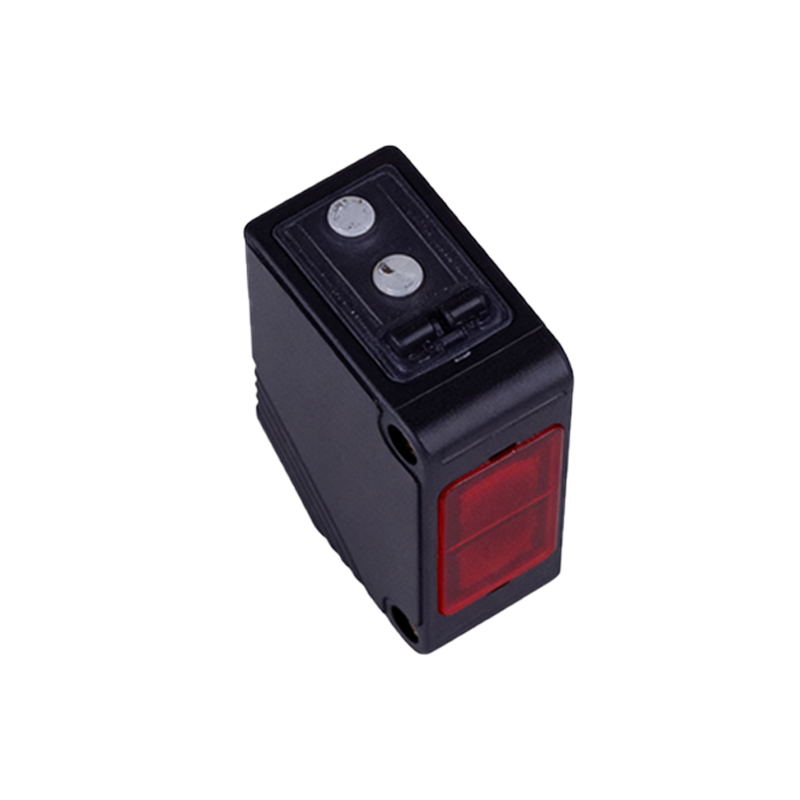
Common knob types include single-turn potentiometers for coarse adjustment and multi-turn precision knobs for fine tuning. Many sensors feature a combination of a sensitivity knob and a light-on/dark-on selector switch. For example, a 270-degree rotation knob might adjust the threshold voltage for diffuse reflection sensors, while a 10-turn trimmer knob enables sub-millimeter precision in through-beam or retro-reflective applications. Some advanced models integrate a push-to-lock mechanism to prevent accidental changes after calibration.
Best Practices for Field Calibration
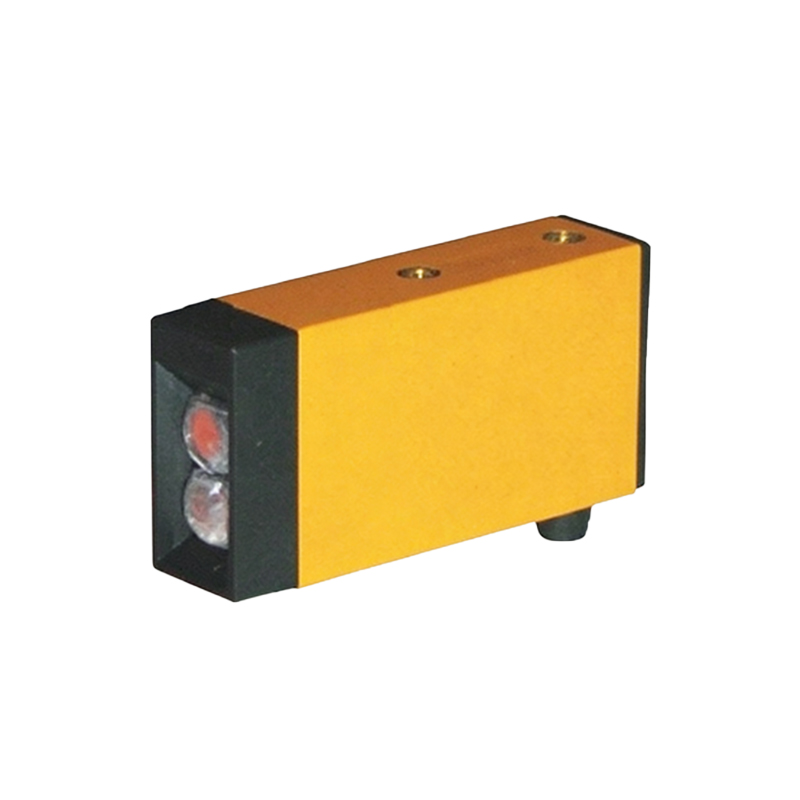
When calibrating, always start with the knob at the mid-range position to avoid saturation. For background suppression sensors, slowly rotate the knob while observing the output LED indicator until the target is reliably detected at the required distance. Use a small screwdriver for potentiometer adjustments to avoid mechanical wear. In multi-sensor arrays, match knob settings across units to ensure uniform detection zones. Document the final knob position for future maintenance.
Common Issues and Troubleshooting Tips
If the sensor fails to detect consistently, check for knob slippage due to loose set screws or worn threads. Environmental factors like temperature fluctuations can drift the potentiometer value; consider using sensors with digital interfaces for auto-tuning as a backup. For sensors with sealed knobs, avoid over-torquing during adjustment to prevent damage to the internal wiper. A simple multimeter check across the knob terminals can verify if the resistance changes smoothly.
Selecting the Right Knob for Your Application
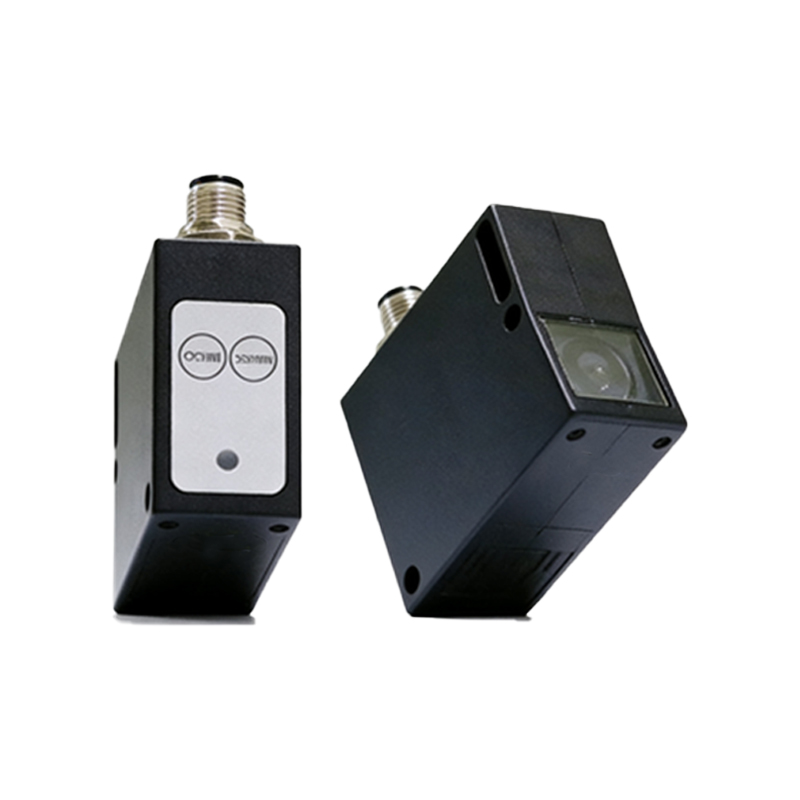
For high-vibration environments, choose knobs with locking washers or nylon patch threads. In cleanroom or food-grade applications, opt for smooth, crevice-free knobs that resist bacterial growth. Always verify the knob’s IP rating—IP67-rated knobs are suitable for washdown processes. Additionally, consider the knob’s color coding (e.g., red for emitter, blue for receiver) to simplify installation and maintenance on complex machinery.
Conclusion: Enhancing Reliability Through Proper Knob Management
The adjustment knob is a gateway to optimizing sensor performance. By understanding its mechanical and electrical characteristics, engineers can reduce downtime, improve product quality, and extend sensor lifespan. Regular inspection and calibration using the knob as a diagnostic tool will ensure your photoelectric sensors operate at peak efficiency in demanding industrial environments.