Introduction to Slot-Type Photoelectric Sensors
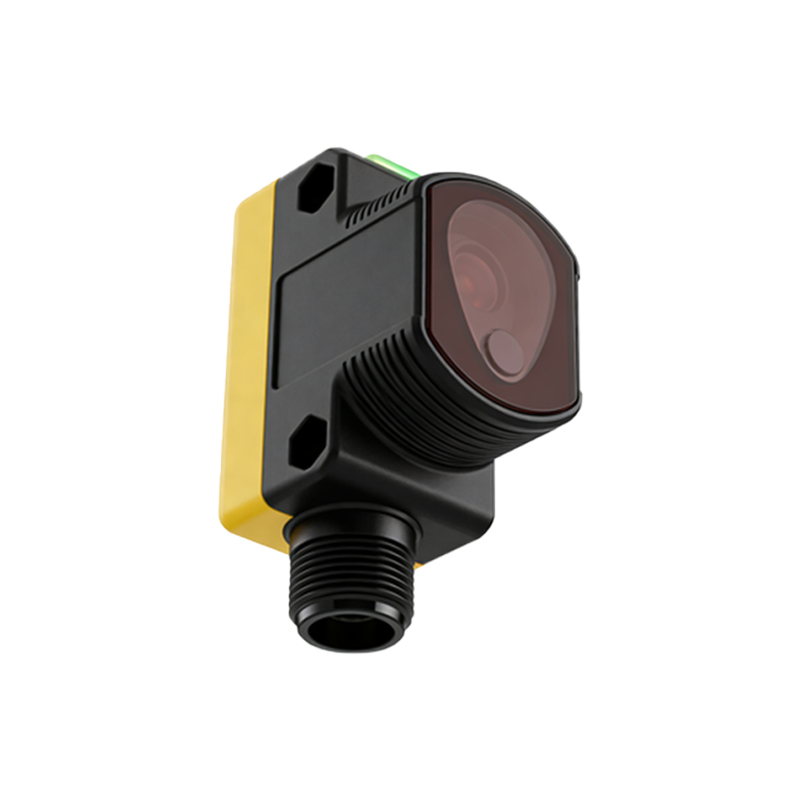
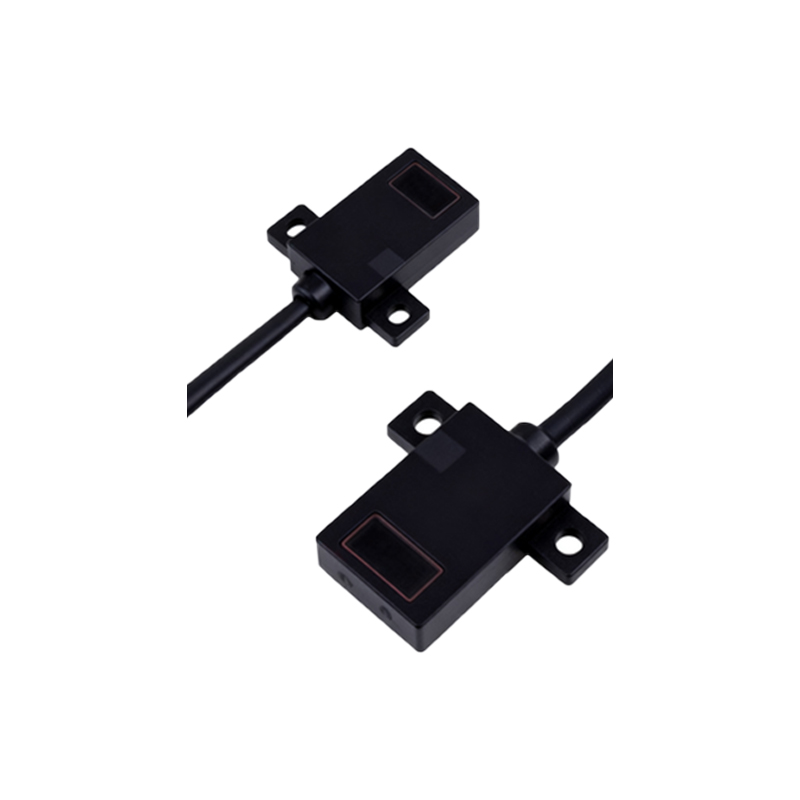
Slot-type photoelectric sensors, also known as fork sensors or U-shaped sensors, are a specialized type of optoelectronic device widely used in industrial automation. They consist of a light emitter and receiver housed in a single U-shaped enclosure, with a gap (slot) between them. The emitter projects a beam (typically infrared, visible red, or laser) across the slot to the receiver. Detection occurs when an object passes through the slot, interrupting the light beam. This design ensures easy alignment and robust performance, making them ideal for high-speed applications.
What Can a Slot-Type Sensor Detect?
These sensors can detect a wide range of objects, provided they are opaque or semi-opaque enough to block or significantly attenuate the light beam. Common detectable materials include:
- Metal parts (e.g., screws, bolts, sheet metal)
- Plastic components (e.g., caps, labels, packaging)
- Paper and cardboard (e.g., cardboard boxes, paper sheets)
- Glass and transparent materials (only if the beam wavelength and sensor type are selected appropriately)
- Liquids (if contained in a transparent tube or as droplets)
However, for transparent or highly reflective objects, standard models may struggle. Specialized versions with polarized light or specific wavelengths (e.g., for clear glass) can improve detection.
Key Detection Parameters and Limitations
Detection reliability depends on several factors:
- Object size: The object must be large enough to block the entire beam width. Minimum object size is typically specified in the datasheet (e.g., 0.8 mm for some high-resolution models).
- Slot width: Wider slots allow larger objects but reduce detection sensitivity for small items.
- Speed: Slot sensors can detect objects moving at high speeds (up to several kHz), but response time and hysteresis must be considered.
- Environmental factors: Dust, moisture, and ambient light (especially sunlight) can interfere. Shields and lenses are often used to mitigate these effects.
- Material transparency: Clear objects may require through-beam or retro-reflective sensors instead of slot types.
Practical Applications in Industry
In manufacturing lines, slot-type sensors are commonly used for:
- Counting parts on conveyor belts
- Detecting bottle caps or lids in packaging
- Monitoring web breaks in printing or paper processing
- Positioning components in assembly machines (e.g., detecting notches or holes)
- Sorting items by size or presence
Their compact design and easy mounting make them a preferred choice for space-constrained areas.
Selection Tips for Engineers
When choosing a slot-type sensor, consider:
1. Slot size: Match to the largest expected object.
2. Output type: NPN, PNP, or analog; ensure compatibility with your PLC or controller.
3. Light source: Infrared for general use; red or laser for high precision.
4. Cable or connector: Choose based on environmental protection (IP rating).
5. Special features: Teach-in functions or IO-Link for advanced diagnostics.
Always simulate the detection scenario with actual objects and test under worst-case conditions.
Troubleshooting Common Issues
If detection fails, check:
- Misalignment: Ensure the beam path is free of obstructions.
- Dirty optics: Clean the emitter and receiver windows.
- Electrical noise: Use shielded cables and proper grounding.
- Vibrations: Secure the sensor mount.
- Object transparency: Consider changing to a through-beam sensor for clear materials.
Conclusion: Is It the Right Choice?
Slot-type photoelectric sensors are highly effective for detecting solid, opaque, and many semi-transparent objects in a controlled environment. They offer simplicity, speed, and reliability. However, for highly reflective or entirely transparent targets, alternative sensor types (e.g., diffuse or through-beam) may be necessary. Engineers should always refer to the manufacturer's specifications and conduct edge-case testing to ensure optimal performance in their specific application.