Introduction to Green Photoelectric Sensors
Green photoelectric sensors are an essential component in modern automation systems, designed to detect objects, measure distances, and monitor presence without physical contact. They are termed green due to their use of green light (typically 520-550 nm wavelength) for enhanced performance in specific environments. These sensors offer superior sensitivity, reduced ambient light interference, and better contrast detection compared to traditional red light sensors. In the electrical industry, they are widely applied in manufacturing, packaging, and quality control.
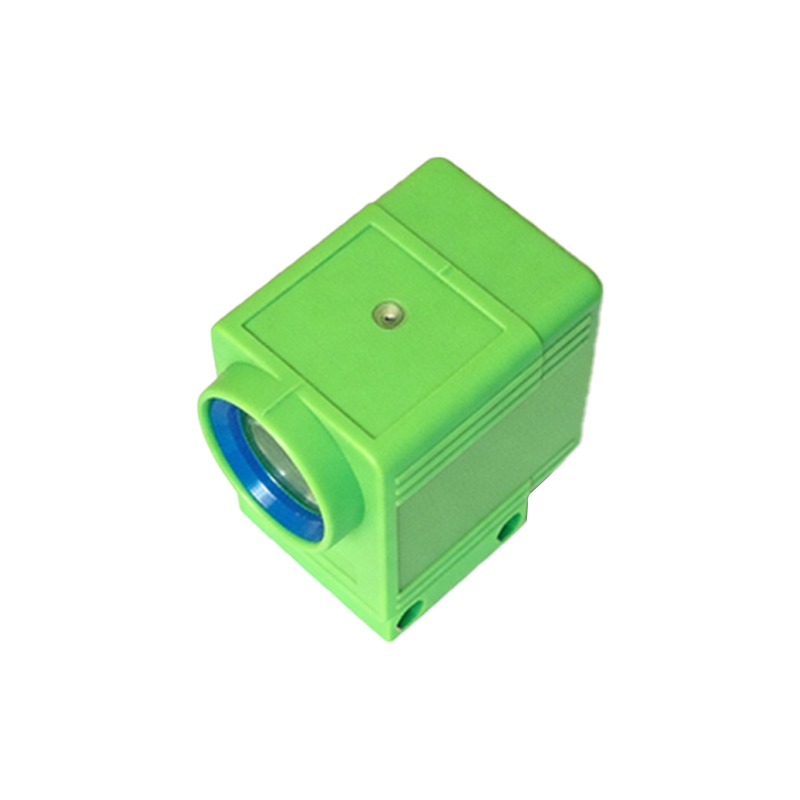
Through-Beam Green Photoelectric Sensors
Through-beam sensors consist of a separate emitter and receiver. The emitter projects a green light beam directly to the receiver. When an object interrupts this beam, the sensor triggers a signal. These sensors are ideal for long-range detection (up to 30 meters) and provide high accuracy in dusty or dirty environments. They are commonly used in conveyor belt systems and automated gates.
Retro-Reflective Green Photoelectric Sensors
Retro-reflective sensors integrate both emitter and receiver in one housing. The green light is directed toward a reflector, which sends it back to the receiver. Detection occurs when an object blocks the reflected beam. These sensors are easy to install and cost-effective, with typical ranges up to 10 meters. They excel in applications where space is limited, such as in packaging machines and bottling lines.
Diffuse Mode Green Photoelectric Sensors
Diffuse mode sensors emit green light and detect objects based on the light reflected directly from the target surface. They do not require a separate reflector, making them compact and versatile. These sensors are suitable for short-range detection (up to 2 meters) and are ideal for detecting dark or transparent objects. Common uses include warehouse automation, sorting systems, and robotics.
Background Suppression Green Photoelectric Sensors
Background suppression sensors use advanced optics to detect objects at a specific distance while ignoring background surfaces. The green light source enhances contrast, allowing reliable detection of objects with varying reflectivity. These sensors are critical in applications where precise distance measurement is needed, such as in PCB assembly, glass handling, and pharmaceutical packaging.
Fiber Optic Green Photoelectric Sensors
Fiber optic sensors employ green light transmitted through flexible fibers to reach remote detection points. The green wavelength reduces signal loss and improves performance in high-temperature or corrosive environments. They are often used in microelectronics, semiconductor fabrication, and food processing industries for detecting small or fragile components.
Choosing the Right Green Photoelectric Sensor
When selecting a green photoelectric sensor, consider factors like detection range, object characteristics, environmental conditions, and required accuracy. For long distances, choose through-beam types; for compact setups, use diffuse or retro-reflective sensors. Always verify the sensor's resistance to dust, moisture, and vibration to ensure reliability in industrial settings. Consulting with an electrical engineer or manufacturer can help optimize your system.