Introduction to Moonlight Photoelectric Sensors
Moonlight photoelectric sensors are critical components in modern industrial automation, offering reliable object detection and positioning capabilities. These sensors utilize light beams to detect the presence, absence, or distance of objects, making them essential in manufacturing, packaging, and logistics. As an electrical engineer, understanding the pricing structure is vital for budgeting and procurement in large-scale projects. This guide provides a detailed analysis of moonlight photoelectric sensor prices, covering various types, specifications, and market factors.
Key Types of Moonlight Photoelectric Sensors and Their Price Ranges
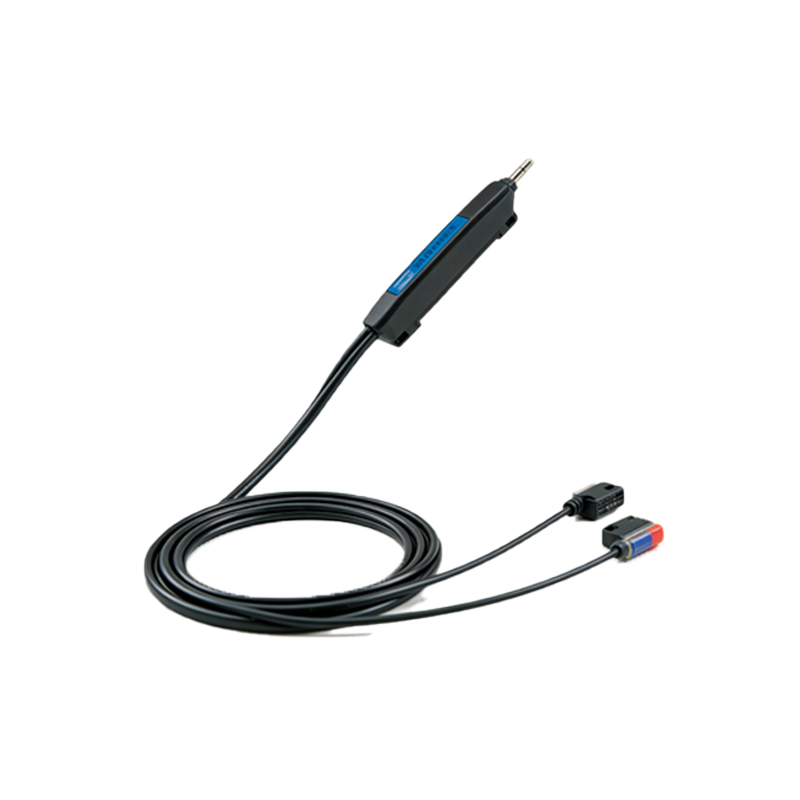
The price of moonlight photoelectric sensors varies significantly based on sensor type, including through-beam, retro-reflective, and diffuse reflective models. Through-beam sensors, which offer long detection ranges (up to 30 meters), are typically priced between $50 and $150 per unit, depending on the brand and output type (NPN or PNP). Retro-reflective sensors, with ranges up to 10 meters, cost around $30 to $80, while diffuse reflective sensors, designed for short-range detection (up to 2 meters), range from $20 to $60. For specialized applications, such as high-temperature or washdown environments, prices can exceed $200.
Factors Influencing Moonlight Photoelectric Sensor Prices
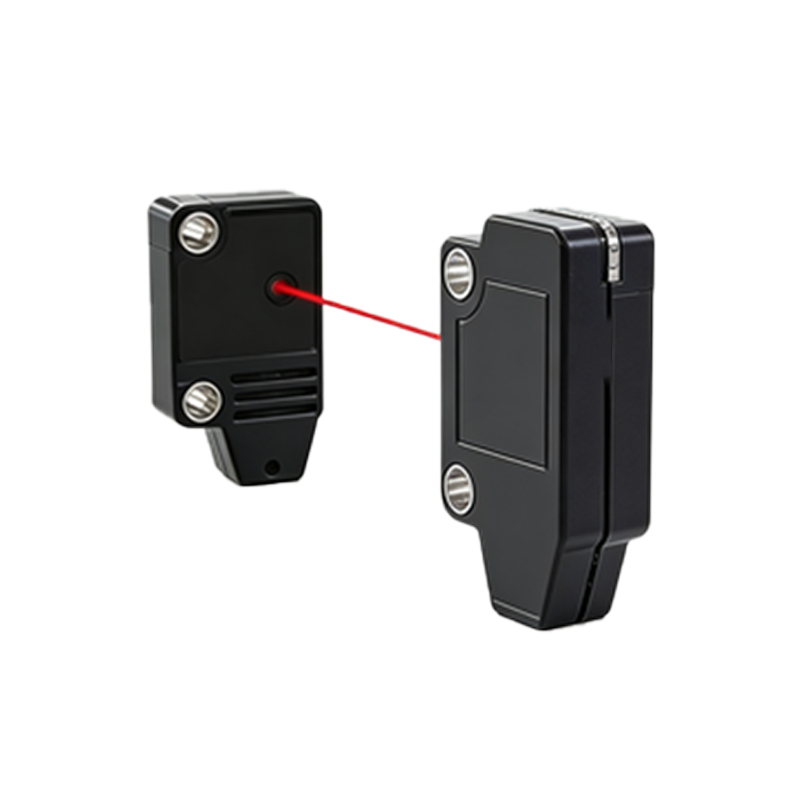
Several technical and market factors affect the cost of moonlight photoelectric sensors. First, the sensing distance and response time significantly impact price; sensors with faster response times (e.g.,< 1 ms) or longer ranges demand higher premiums. Second, the housing material (e.g., stainless steel vs. plastic) and environmental ratings (IP67 vs. IP69K) increase costs for rugged industrial use. Third, output configurations, such as analog or IO-Link communication, add $10 to $30 per sensor. Additionally, brand reputation and certification (e.g., CE, UL) can introduce a 10% to 20% price markup.
Typical Price Table for Common Moonlight Photoelectric Sensor Models
Below is a representative price table for common moonlight photoelectric sensor models, based on current market data from leading suppliers. Note that prices are in USD and may vary by region and quantity discounts.
- Through-beam sensor (M18, 10m range, NPN): $45 - $70
- Retro-reflective sensor (M12, 5m range, PNP): $35 - $55
- Diffuse reflective sensor (M8, 1m range, NPN): $25 - $40
- High-temperature sensor (stainless steel, 200°C, IP67): $120 - $180
- Laser sensor (for precision detection, 0.1mm accuracy): $150 - $250
Bulk orders (50+ units) often receive 10% to 15% discounts, while urgent or customized orders may incur a 20% surcharge.
Cost-Saving Strategies for Procurement
To optimize costs when purchasing moonlight photoelectric sensors, engineers should consider several strategies. First, evaluate the exact sensing requirements to avoid over-specifying (e.g., using diffuse instead of through-beam for short-range tasks). Second, negotiate with multiple suppliers for volume discounts, especially for standard models. Third, consider refurbished or surplus sensors from reputable distributors, which can reduce costs by 30% to 50% while maintaining performance. Finally, check for compatibility with existing control systems to minimize installation and integration expenses.
Conclusion and Recommendations for Buyers
In summary, the price of moonlight photoelectric sensors ranges from $20 to over $250, depending on type, features, and application needs. For typical industrial automation projects, engineers should budget $30 to $100 per sensor for standard models. It is crucial to request detailed quotes from at least three suppliers, specifying exact technical requirements such as sensing range, output type, and environmental rating. By understanding these pricing dynamics, buyers can make informed decisions that balance performance and budget efficiency.