Introduction to Photoelectric Sensor Windows
Photoelectric sensors are essential components in modern automation systems, enabling precise detection of objects, distances, and positions. The sensor window, often overlooked, plays a critical role in ensuring reliable operation by protecting internal optics while maintaining signal clarity. This article explores key design parameters, material selection, and environmental challenges affecting sensor window performance in industrial settings.
Key Design Parameters for Sensor Windows
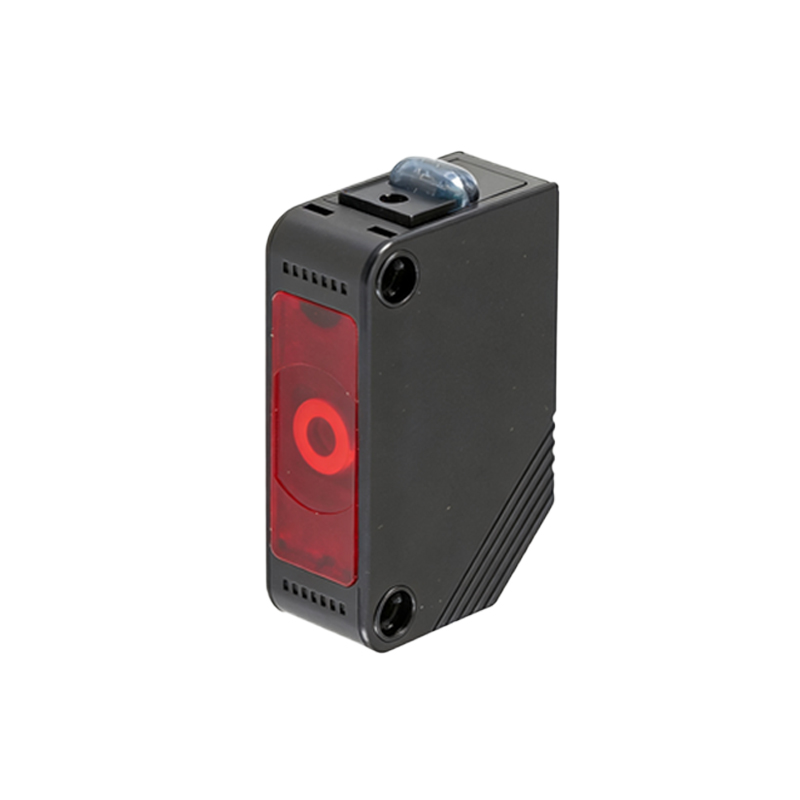
The window must be engineered to minimize optical distortion and maximize transmission efficiency. Factors such as thickness, surface flatness, and anti-reflective coatings directly impact sensor accuracy. For instance, a window thickness below 1 mm reduces absorption losses but may compromise mechanical strength. Additionally, the window’s field of view should align with the sensor’s beam angle to avoid signal clipping. Engineers often use finite element analysis (FEA) to optimize these trade-offs.
Material Selection for Durability and Performance
Common materials include polycarbonate, acrylic, and glass, each offering distinct advantages. Polycarbonate provides high impact resistance and UV stability, ideal for outdoor or harsh environments. Acrylic offers excellent optical clarity at a lower cost but is prone to scratching. For extreme temperatures or chemical exposure, borosilicate glass ensures thermal stability and resistance to corrosion. In high-vibration applications, reinforced composites with anti-static properties prevent dust accumulation, which can degrade signal quality.
Environmental Challenges and Mitigation Strategies
Industrial environments expose sensor windows to moisture, dust, temperature fluctuations, and chemical splashes. To address these, windows can incorporate gaskets and O-rings for ingress protection ratings up to IP69K. Anti-fog coatings and hydrophobic treatments prevent condensation in humid conditions. For high-temperature zones, sapphire windows withstand up to 1500°C, while UV-resistant coatings extend lifespan in outdoor installations. Regular cleaning protocols and self-cleaning nanostructured surfaces further reduce maintenance downtime.
Integration with Advanced Sensor Technologies
Modern photoelectric sensors, such as laser-based or time-of-flight (ToF) models, demand windows with ultra-low surface roughness (< 10 nm Ra) to avoid beam scattering. For multi-spectral sensors, windows must exhibit uniform transmission across visible and infrared wavelengths. Additionally, smart sensors with integrated diagnostics benefit from windows that allow for external calibration without disassembly. When selecting a window, always consult datasheets for wavelength-specific transmission curves and mechanical load ratings.
Conclusion: Best Practices for Implementation
To maximize sensor performance, engineers should prioritize window materials that balance optical clarity, mechanical resilience, and environmental resistance. Regular inspection for scratches, cracks, or residue buildup is mandatory. For new installations, prototype testing in real-world conditions ensures compatibility. As automation advances, innovations like adaptive windows with variable transparency may further enhance sensor reliability in dynamic industrial landscapes.