Overview of 4700nm Photoelectric Sensors
The 4700nm photoelectric sensor operates in the mid-infrared spectrum, specifically at a wavelength of 4.7 micrometers. This wavelength is particularly effective for detecting materials with high absorption in this range, such as plastics, gases, and certain organic compounds. In industrial automation, these sensors excel in environments where standard visible or near-infrared sensors fail due to background light interference or material transparency. Their design focuses on reliable object presence detection, distance measurement, and quality control in harsh conditions.
Key Technical Specifications and Performance
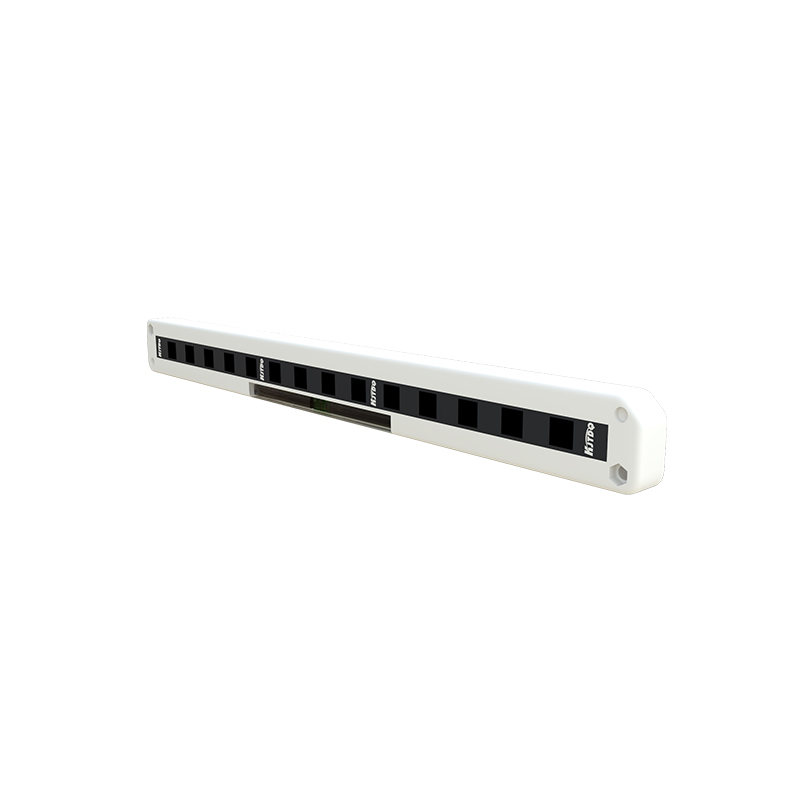
Typical 4700nm sensors use an LED or laser diode as the emitter, coupled with a photodiode or phototransistor receiver. They operate over distances from a few centimeters up to 10 meters, depending on model and environmental factors. The sensor's response time is often under 1 millisecond, enabling high-speed detection in conveyor systems. They are immune to ambient light, including sunlight and artificial lighting, due to the narrow spectral band. Power consumption ranges from 20 to 100 mA at 12-24V DC, making them energy-efficient for continuous operation.
Common Industrial Applications
These sensors are widely used in plastic bottle manufacturing to detect clear or translucent containers without relying on color or labels. In the automotive industry, they monitor the presence of rubber seals, gaskets, and plastic components on assembly lines. The gas and chemical sector employs them for leak detection of hydrocarbons and other IR-absorbing gases. Additionally, they serve in recycling plants to distinguish between different plastic types based on their mid-IR absorption signatures.
Installation and Calibration Best Practices
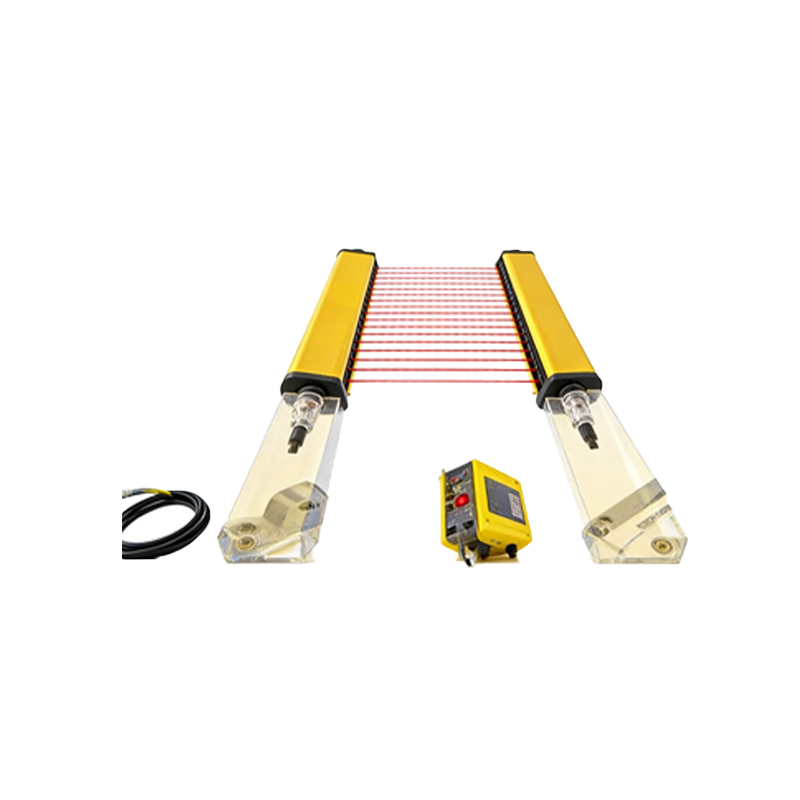
Proper mounting is critical to avoid false triggers. Position the sensor perpendicular to the target surface, ensuring a clear optical path free from dust, oil, or steam. Use a shielded cable to minimize electrical noise from nearby motors or inverters. Calibration involves setting the threshold to match the reflectivity of the target material. For transparent objects, use a retro-reflective mode or a separate reflector. Regularly clean the lens with a soft, lint-free cloth to maintain sensitivity.
Advantages Over Conventional Sensors
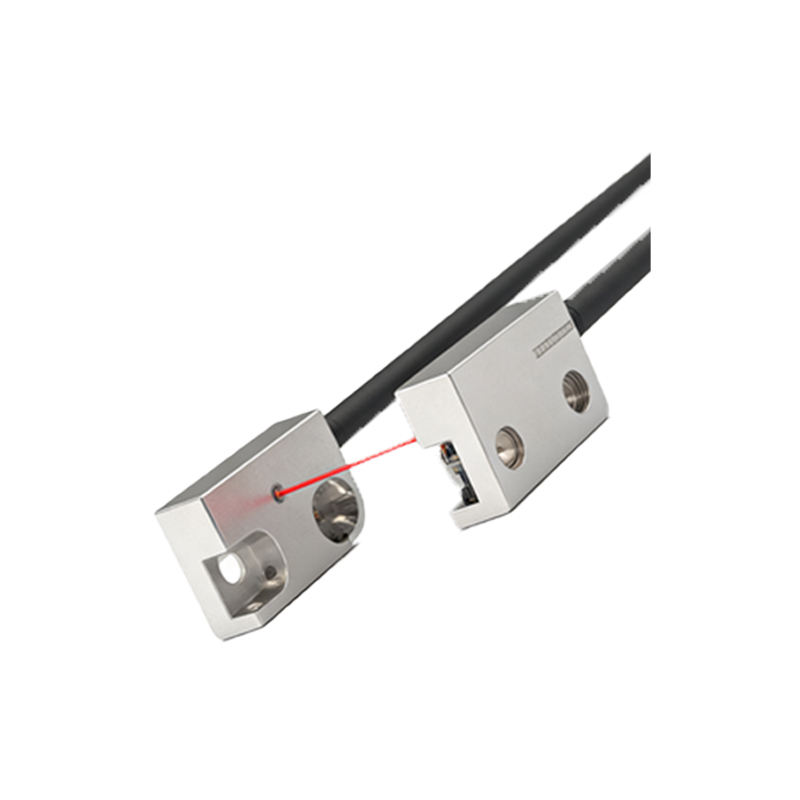
Compared to visible-light sensors, 4700nm units offer superior performance in high-ambient-light environments and can detect transparent or dark objects more reliably. They also resist fog, smoke, and dust better than laser-based systems due to longer wavelength scattering properties. Their ability to measure specific chemical bonds makes them invaluable for process control where composition matters.
Troubleshooting Common Issues
If the sensor fails to detect, first check power supply and wiring integrity. Misalignment is a frequent cause—ensure the emitter and receiver are aligned within ±2 degrees. Contaminated lenses can cause intermittent operation; inspect and clean them. For fluctuating readings, verify that the target material hasn't changed in thickness or composition. If interference from other sensors occurs, adjust the modulation frequency to avoid cross-talk.
Future Trends in Mid-IR Sensor Technology
Advances in quantum cascade lasers (QCLs) and thermopile arrays are pushing 4700nm sensors toward higher precision and multi-spectral analysis. Integrated IoT capabilities allow real-time data logging and remote diagnostics. These sensors are becoming smaller and more affordable, expanding their use in consumer-grade applications like smart home gas detectors. Expect faster response times and lower power consumption as semiconductor materials improve.