Introduction to Embedded Photoelectric Sensors
Embedded photoelectric sensors are critical components in modern industrial automation systems. They detect the presence, absence, or distance of objects by converting light signals into electrical signals. Unlike discrete sensors, embedded sensors are integrated directly into machinery or control systems, offering compact design, high reliability, and real-time feedback. Their working principle relies on the interaction between a light source, usually an LED or laser diode, and a photodetector, which responds to changes in light intensity.
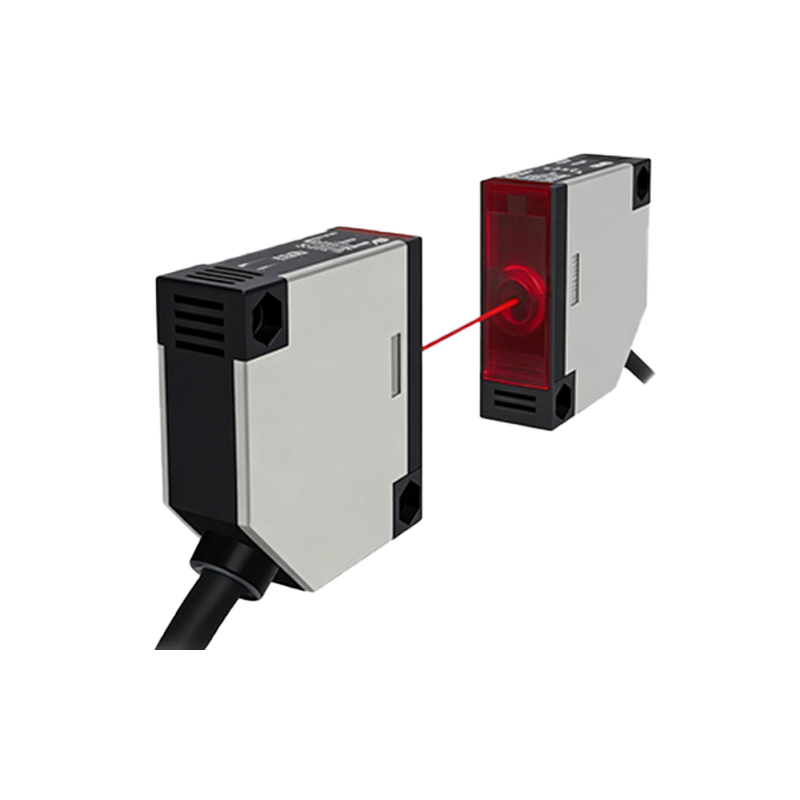
Core Components and Light Emission
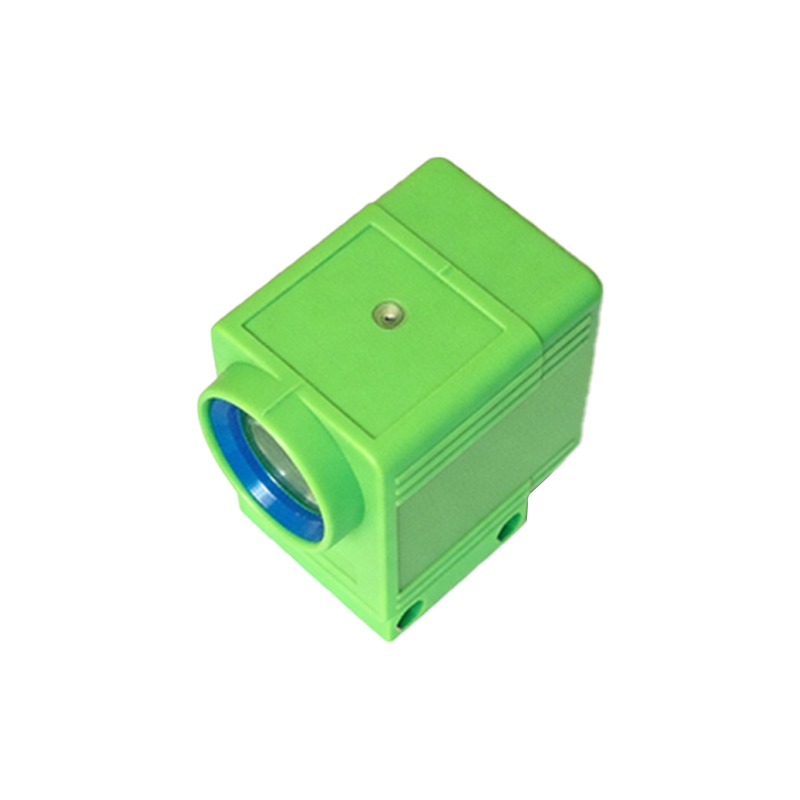
The sensor's emitter generates a beam of light, typically in the visible or infrared spectrum. This beam is focused and directed toward a target area. In embedded designs, the emitter is often a small, solid-state component that operates with low power consumption. The choice of wavelength depends on the application: infrared is common for long-range detection, while visible light aids in alignment. The emitted light may be continuous or pulsed to filter out ambient interference.
Detection Modes: Through-Beam, Retro-Reflective, and Diffuse
Embedded photoelectric sensors operate in three primary modes. In through-beam mode, the emitter and receiver are separate; the object breaks the light path to trigger detection. Retro-reflective mode uses a reflector to bounce the beam back to the receiver, with objects blocking the return signal. Diffuse mode relies on the object reflecting light directly to the sensor. Each mode has distinct advantages: through-beam offers the longest range, retro-reflective provides stable detection on shiny surfaces, and diffuse is ideal for close-range and irregular objects.
Signal Processing and Output
Once the photodetector captures the light, it generates a current or voltage proportional to the light intensity. This signal is then processed by an embedded microcontroller or comparator circuit. The sensor amplifies weak signals, filters noise, and applies thresholds to avoid false triggers. The output is typically a digital signal (e.g., NPN or PNP transistor) or an analog voltage, which interfaces with programmable logic controllers (PLCs) or industrial networks. Response time is crucial, often in microseconds, to keep pace with high-speed production lines.
Environmental Adaptability and Integration
Embedded photoelectric sensors are designed to withstand harsh industrial conditions. They include features like ambient light rejection, temperature compensation, and protective housings (e.g., IP67). In embedded systems, the sensor is often calibrated during manufacturing to account for specific mounting angles, lens materials, and background colors. Advanced models use algorithms to adapt to dust, vibration, or changing light conditions, ensuring consistent performance in factories, warehouses, and assembly lines.
Applications in Industry and Future Trends
These sensors are ubiquitous in industries such as automotive, packaging, and material handling. They detect parts on conveyors, verify component presence in assembly, and control robotic arms. Emerging trends include integration with IoT for predictive maintenance and using multi-wavelength sensors for color or texture discrimination. As automation demands increase, embedded photoelectric sensors will become smarter, smaller, and more energy-efficient, driving innovation in smart manufacturing.