Introduction to Photoelectric Sensors
Photoelectric sensors are critical components in modern industrial automation systems, converting light signals into electrical outputs to detect objects, distances, or changes in environment. These non-contact devices use a light emitter and receiver to sense the presence or absence of objects, making them ideal for harsh manufacturing environments. Their reliability, speed, and precision have made them indispensable in industries ranging from automotive assembly lines to packaging facilities.
Working Principle and Key Components
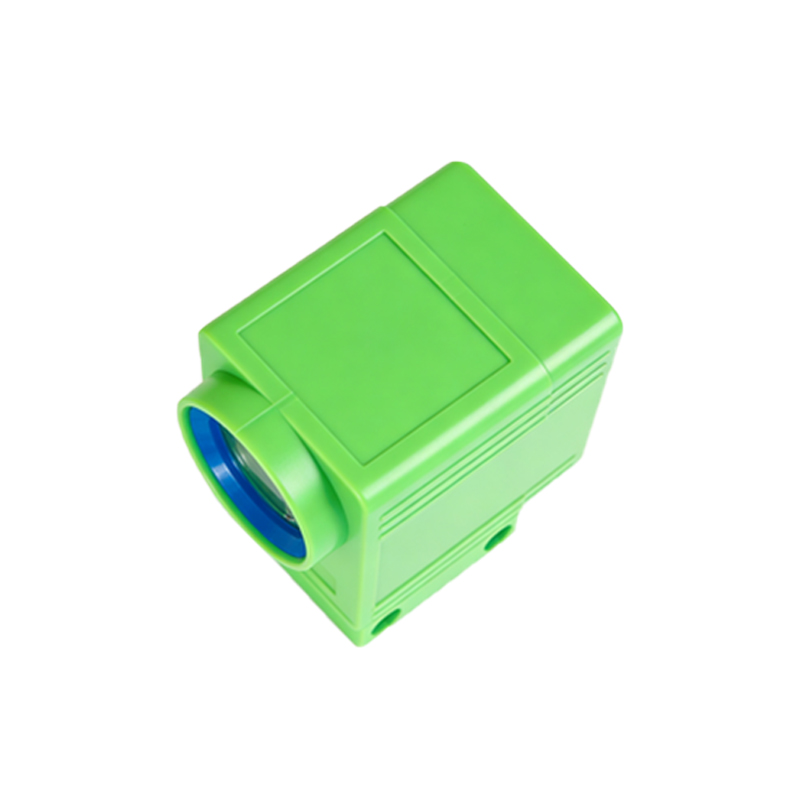
A typical photoelectric sensor consists of an infrared or visible light source, a photodetector, and signal processing circuitry. The emitter projects a beam of light toward a target, and the receiver captures the reflected or interrupted light. Depending on the configuration, sensors operate in three primary modes: through-beam, retro-reflective, and diffuse. Through-beam sensors offer the highest detection range and reliability, as the emitter and receiver are separate units. Retro-reflective sensors use a reflector to bounce the beam back, simplifying installation. Diffuse sensors detect light reflected directly from the object, ideal for short-range applications.
Types and Selection Criteria
Selecting the right photoelectric sensor requires careful consideration of environmental factors, object characteristics, and installation constraints. Key parameters include detection range, response time, ambient light immunity, and output type (NPN or PNP). For clean, controlled environments, diffuse sensors are cost-effective. In dusty or wet conditions, through-beam or retro-reflective sensors with high background suppression are preferred. Fiber optic photoelectric sensors provide flexibility for tight spaces and high-temperature zones. Engineers must also evaluate the sensor's IP rating for ingress protection against moisture and debris.
Industrial Applications and Benefits
Photoelectric sensors excel in applications requiring high-speed counting, positioning, and quality control. In conveyor systems, they detect package orientation and trigger sorting mechanisms. In automotive manufacturing, they verify component presence during assembly. The benefits include reduced downtime, elimination of mechanical wear, and enhanced accuracy. Compared to inductive or capacitive sensors, photoelectric units can detect non-metallic objects, paper, and transparent materials. Advanced models with IO-Link communication enable real-time diagnostics and parameter adjustments, improving overall equipment effectiveness (OEE).
Installation and Troubleshooting Best Practices
Proper installation ensures optimal performance. Align the emitter and receiver precisely for through-beam sensors, and avoid mounting near reflective surfaces that cause false triggers. Clean optical windows regularly to maintain sensitivity. Common issues include sensitivity drift due to lens contamination, misalignment from vibration, and interference from ambient light sources. Solutions include using modulated light signals, installing shields, and selecting sensors with built-in interference filters. Regular calibration and testing using a target sample can prevent production line stoppages.
Future Trends in Photoelectric Sensing
The evolution of photoelectric sensors is driven by Industry 4.0 and smart factory initiatives. Miniaturization allows integration into compact robotic grippers. Multi-pixel sensors can now detect object shape and orientation. Wireless photoelectric sensors with energy harvesting capabilities reduce wiring complexity. Artificial intelligence algorithms enable predictive maintenance by analyzing signal patterns. These advancements promise even greater automation efficiency and flexibility in the coming years.