Introduction to Photoelectric Sensors
Photoelectric sensors are non-contact devices that use light to detect the presence, absence, or distance of objects. They have become indispensable in industrial automation, offering high accuracy, fast response times, and reliability in harsh environments. This article explores their critical applications across various sectors.
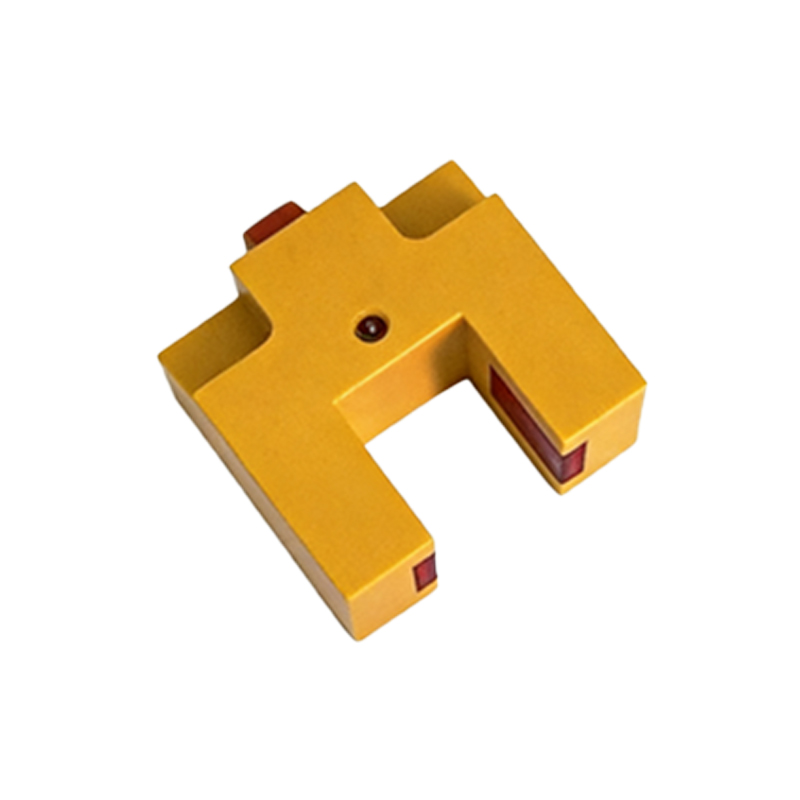
Manufacturing and Assembly Lines
In automated manufacturing, photoelectric sensors monitor conveyor belts, detect product positioning, and ensure precise component alignment. For example, retro-reflective sensors are used to identify transparent or shiny objects like glass bottles, while through-beam sensors detect tiny parts in high-speed assembly. They also trigger robotic arms for pick-and-place operations, reducing downtime and errors.
Warehouse and Logistics
In logistics centers, photoelectric sensors enable efficient sorting, counting, and inventory management. Diffuse sensors with background suppression help identify packages of varying sizes and colors on sorting conveyors. Forklift guidance systems rely on laser-based sensors to navigate narrow aisles, while safety light curtains protect workers near automated storage and retrieval systems.
Automotive Industry
Automotive production lines heavily depend on photoelectric sensors for quality control. They inspect weld seams, verify paint consistency, and detect missing components on vehicle bodies. In engine assembly, fiber optic sensors monitor tiny gaps and thread positions. Additionally, LiDAR sensors, a type of photoelectric technology, are critical for autonomous vehicle navigation and obstacle detection.
Food and Beverage Packaging
Hygienic design photoelectric sensors are vital in food processing. They detect seal integrity on pouches, monitor fill levels in bottles, and confirm label placement. Color sensors differentiate between product varieties, while IP69K-rated sensors withstand high-pressure washdowns. This ensures compliance with strict safety standards and reduces waste.
Pharmaceutical and Medical Devices
In pharmaceutical manufacturing, sensors verify blister pack contents, check syringe needle alignment, and count tablets at high speeds. Medical equipment like infusion pumps uses miniaturized photoelectric sensors to monitor fluid flow. They also detect tube presence in dialysis machines, ensuring patient safety.
Building Automation and Security
Smart buildings integrate photoelectric sensors for occupancy detection, automatic lighting control, and HVAC optimization. In security systems, infrared sensors trigger alarms when beams are broken. Elevator door sensors prevent accidents, while outdoor sensors manage parking lot lighting based on vehicle movement.
Emerging Trends and Future Outlook
Advancements in solid-state lighting and signal processing are expanding sensor capabilities. IoT-enabled photoelectric sensors now provide real-time data for predictive maintenance. Future developments include integration with AI for defect classification and 3D sensing in collaborative robots. The demand for eco-friendly sensors using low-power LEDs is also rising.