Introduction to EX Photoelectric Sensors
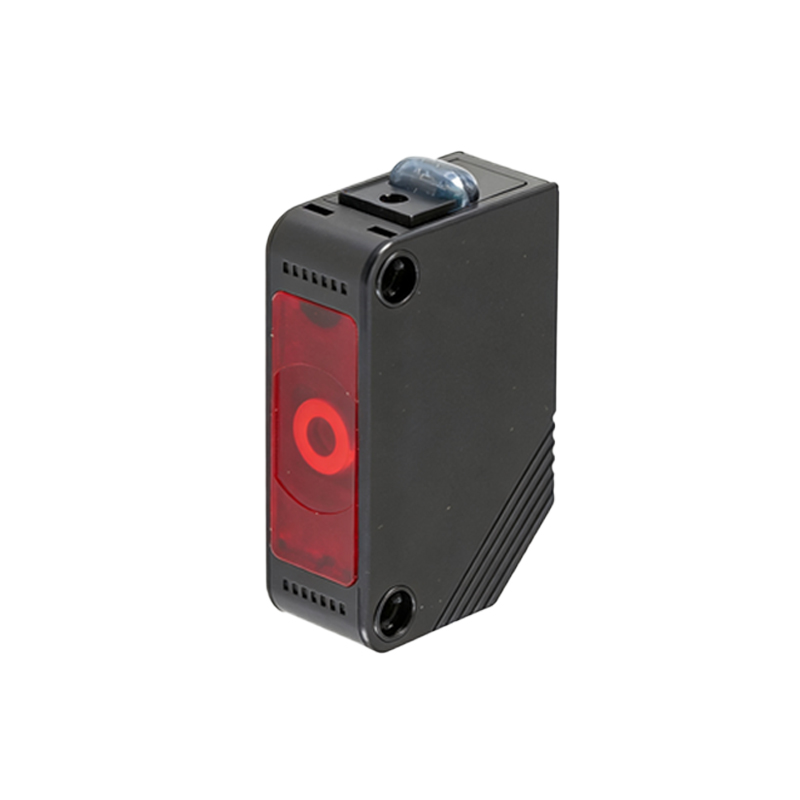
EX photoelectric sensors are advanced optoelectronic devices designed for non-contact object detection in industrial environments. These sensors utilize modulated light beams, typically infrared or visible red laser, to accurately detect the presence, absence, or position of a target. Unlike standard sensors, EX series models are engineered with enhanced environmental resistance, featuring IP67-rated housings and reinforced optics to withstand dust, vibration, and moisture common in manufacturing floors. Their compact form factor and flexible mounting options make them ideal for integration into conveyor systems, packaging lines, and robotic workcells.
Core Operating Principles
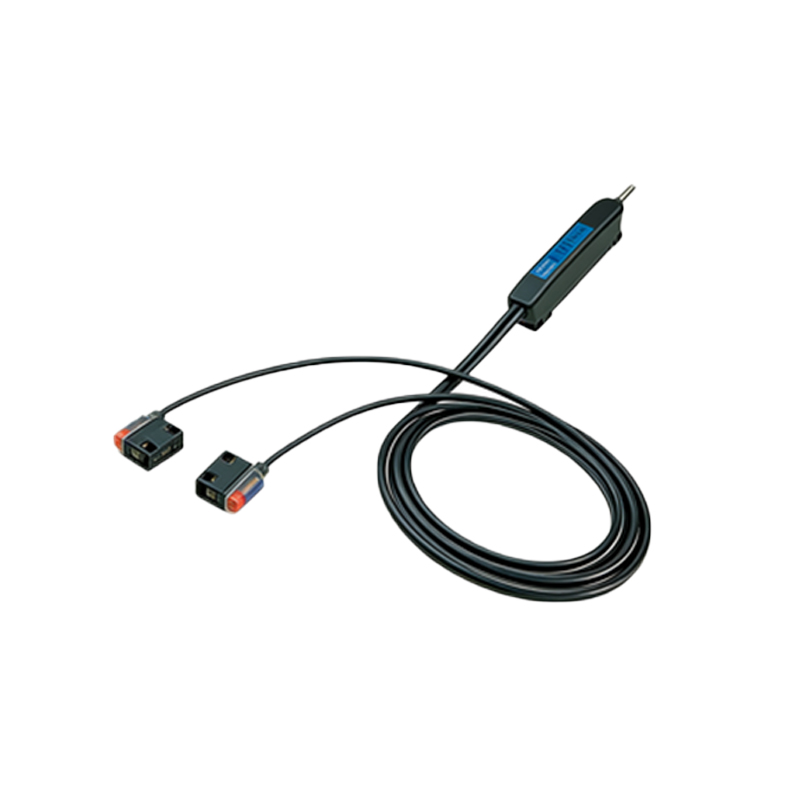
The EX photoelectric sensor operates on three primary detection modes: thru-beam, retro-reflective, and diffuse reflection. In thru-beam mode, the emitter and receiver are separate units, offering the longest detection range (up to 30 meters) with high immunity to contamination. Retro-reflective sensors use a single housing with a reflector, achieving ranges up to 10 meters with polarized filters to avoid false triggers from shiny surfaces. Diffuse mode, where the emitter and receiver are in one unit, detects objects by sensing reflected light from the target itself, ideal for short-range applications (up to 2 meters) with irregular-shaped items. Each mode employs a high-frequency modulated LED to filter out ambient light interference, ensuring reliable operation in bright factory conditions.
Key Technical Specifications
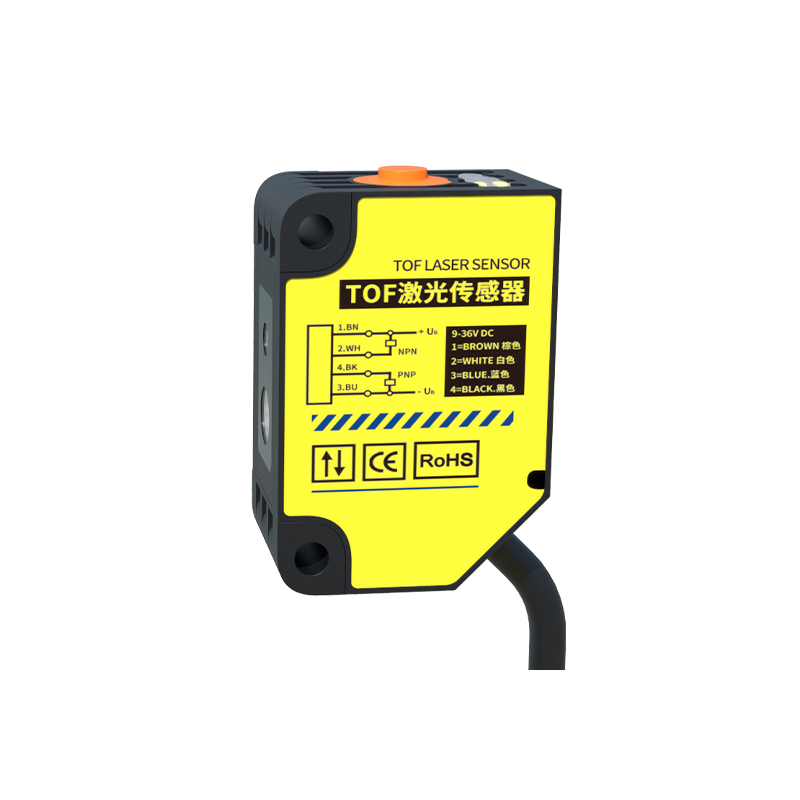
These sensors feature a response time as low as 0.5 milliseconds, allowing detection of high-speed objects on fast-moving production lines. The output configuration includes NPN/PNP open collector, with options for analog voltage or current signals for distance measurement. The EX series supports M12 quick-connect connectors and pre-wired cables up to 15 meters for easy installation. The operating voltage ranges from 10 to 30 VDC with reverse polarity and short-circuit protection. Additionally, the sensors incorporate a visible red alignment indicator and a dual-LED status display for real-time diagnostics, reducing downtime during setup.
Industrial Application Scenarios
In automotive assembly lines, EX sensors verify the presence of engine components on pallets, ensuring parts are correctly oriented before robotic welding. In the food and beverage industry, they detect transparent film packets on high-speed packaging machines, using polarized retro-reflective mode to avoid false readings from glossy wrappers. For logistics warehouses, thru-beam EX sensors create safety curtains at conveyor intersections, preventing collision between automated guided vehicles and personnel. In semiconductor fabrication, diffuse mode sensors with sub-millimeter resolution inspect wafer cassettes for tilt or spacing errors, maintaining cleanroom compliance.
Installation and Calibration Best Practices
For optimal performance, mount the sensor perpendicular to the target surface using the provided stainless steel brackets. Use the built-in potentiometer to adjust sensitivity for varying object colors or backgrounds; start with a sensitivity of 70% and fine-tune using a test object similar to the production item. For thru-beam systems, align the emitter and receiver using the optical sighting tool until the green LED is steady. In environments with heavy fog or dust, install air purge collars to keep the lens clean. Always verify the sensor’s response with a multimeter before integrating into the PLC.
Maintenance and Troubleshooting
Routine maintenance includes cleaning the lens with isopropyl alcohol and a microfiber cloth every 500 operating hours to prevent dirt accumulation. If the sensor outputs erratic signals, check for loose connections or damaged cable insulation due to abrasion. Common issues like “no detection” can often be resolved by reducing the sensing distance by 20% below the maximum rated range to compensate for dirt buildup. If the red LED flashes, indicate an internal fault, consult the manual for error codes, and consider replacing the unit if the fault persists after power cycling. For retro-reflective sensors, verify the reflector is not scratched or misaligned, as even a 2-degree tilt can reduce range by 50%.
Conclusion
EX photoelectric sensors deliver robust, high-speed detection capabilities essential for modern industrial automation. By understanding their operating principles, specifications, and proper maintenance, engineers can maximize system reliability and throughput. Whether in harsh foundry environments or cleanroom settings, these sensors provide a cost-effective solution for precise object detection.