Introduction to OGH580 Photoelectric Sensor
The OGH580 is a high-performance photoelectric sensor designed for precise object detection in industrial automation environments. Manufactured with advanced optics and robust electronics, this sensor operates effectively in challenging conditions, including dust, moisture, and varying light interference. Its compact housing and reliable sensing capabilities make it a preferred choice for conveyor systems, packaging machinery, and material handling equipment. With a typical sensing range of up to 10 meters for through-beam models and 2 meters for retro-reflective versions, the OGH580 offers flexibility for different application needs.
Operating Principles and Sensing Modes
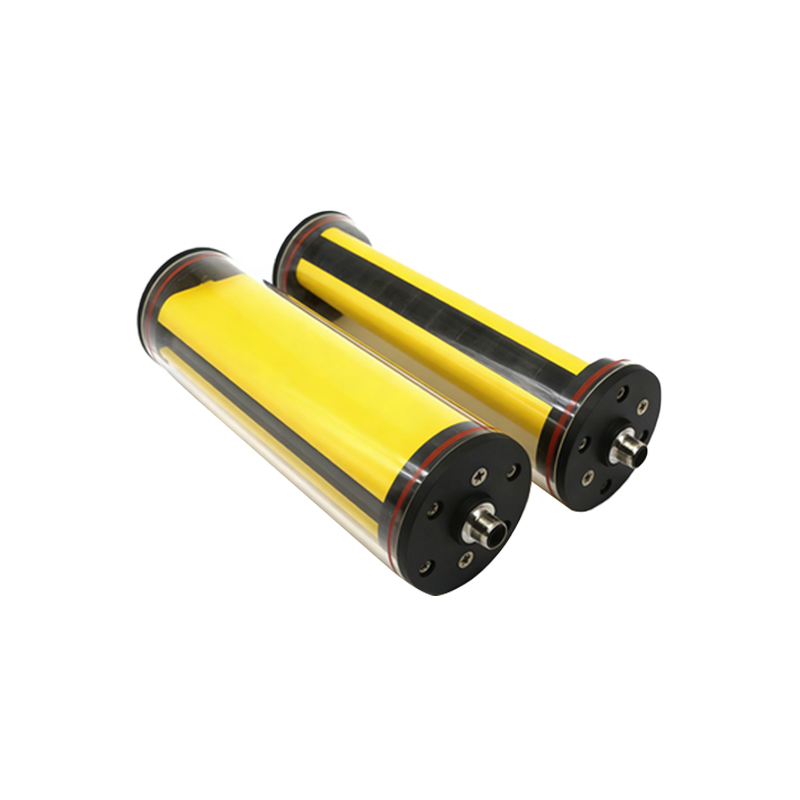
The OGH580 utilizes infrared or visible red light to detect the presence, absence, or position of objects. It supports three primary sensing modes: through-beam, retro-reflective, and diffuse reflection. In through-beam mode, the emitter and receiver are separate, providing the longest detection range and highest immunity to contamination. Retro-reflective mode employs a reflector to bounce the beam back to the sensor, simplifying installation. Diffuse mode detects objects directly by reflected light, ideal for short-range applications. The sensor features a response time of less than 1 millisecond, ensuring high-speed detection for fast-moving targets.
Key Technical Specifications
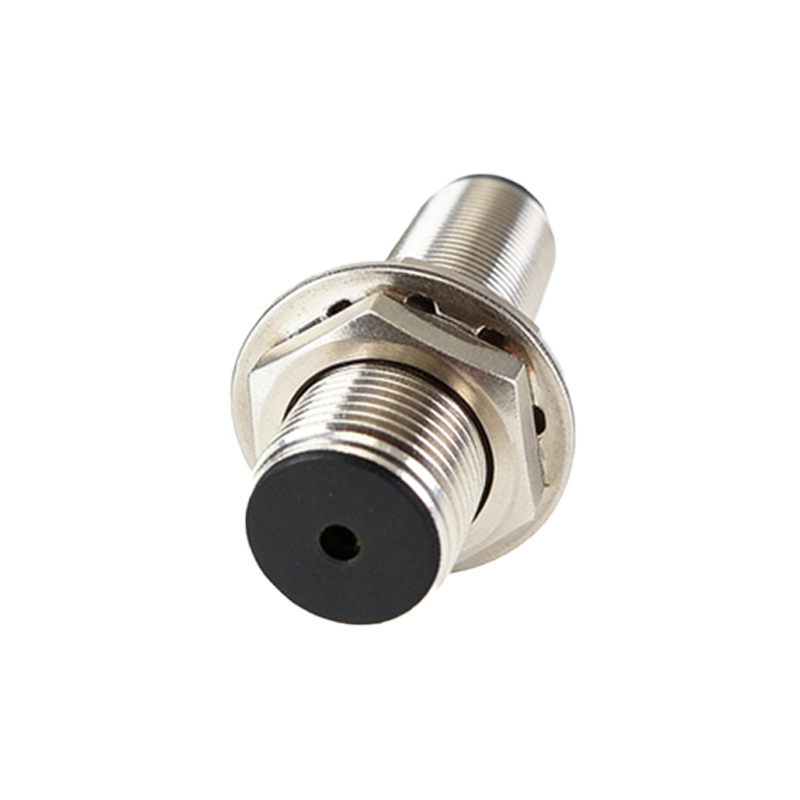
Electrical characteristics include a supply voltage of 10-30 VDC, with reverse polarity and short-circuit protection. The output is typically NPN or PNP, open collector, with a maximum load current of 100 mA. The OGH580 operates within a temperature range of -25°C to +55°C, making it suitable for both indoor and outdoor industrial environments. Its enclosure rating is IP67, offering protection against dust ingress and temporary water immersion. The sensor is equipped with a 2-meter PVC cable or an M12 connector for easy integration into control systems. Adjustable sensitivity via a potentiometer allows fine-tuning for different target materials and colors.
Installation and Alignment Considerations
Proper installation is critical for optimal performance. For through-beam systems, ensure the emitter and receiver are aligned within the specified angular tolerance, typically ±5 degrees. Retro-reflective sensors require a clean reflector surface and a minimum distance from the sensor to avoid false triggering. Mount the sensor on a stable bracket to minimize vibration effects. Avoid direct sunlight or strong artificial light sources near the sensing zone. Use the alignment indicator LED to confirm correct positioning during setup. For diffuse mode, consider the target’s reflectivity and surface texture, as dark or matte objects may reduce sensing distance.
Common Industrial Applications
The OGH580 excels in automated production lines for detecting product presence on conveyors, counting items, and verifying packaging integrity. In the automotive industry, it monitors part assembly and robotic workcells. For logistics, it triggers sorters and labels in distribution centers. Its robust design also supports use in food and beverage processing, where washdown requirements are common. When combined with PLCs or safety controllers, the OGH580 enhances system reliability and reduces downtime.
Troubleshooting and Maintenance Tips
If the sensor fails to detect reliably, first check for optical obstruction from dust or condensation on the lens. Clean the lens with a soft, lint-free cloth and isopropyl alcohol if needed. Verify the supply voltage and wiring connections, ensuring no loose terminals. For intermittent issues, inspect the cable for damage or interference from nearby high-power cables. Adjust the sensitivity potentiometer if the target is too small or reflective. If the output remains stuck, confirm the load current does not exceed the maximum rating. Replace the sensor if internal damage is suspected.
Comparison with Alternative Sensors
Compared to inductive or capacitive sensors, the OGH580 offers longer detection range and non-contact sensing for non-metallic objects. It outperforms ultrasonic sensors in accuracy for transparent or shiny targets. However, it may require more frequent cleaning in dusty environments. For applications needing color detection or contrast differentiation, a specialized color sensor might be preferred. The OGH580 provides a cost-effective balance between performance and durability for most general-purpose detection tasks.