Introduction to Photoelectric Sensors in Textile Machinery
Photoelectric sensors have become indispensable components in modern textile machinery, enabling precise detection of yarn, fabric, and thread without physical contact. These devices use light beams to monitor production parameters, ensuring consistent quality and reducing downtime. In high-speed weaving and knitting operations, sensors must withstand dust, vibration, and temperature fluctuations. Advanced models now integrate with Industry 4.0 systems, providing real-time data for predictive maintenance.
Key Applications in Yarn and Fabric Handling
In winding and warping machines, photoelectric sensors detect yarn breaks instantly, triggering automatic stops to prevent defects. They also monitor fabric tension in looms, adjusting motor speeds to maintain uniformity. For sewing and embroidery equipment, sensors ensure thread feed accuracy and needle positioning. In finishing processes, such as dyeing and coating, sensors control material alignment and edge detection, reducing waste and improving throughput.
Optimizing Sensor Selection for Harsh Environments
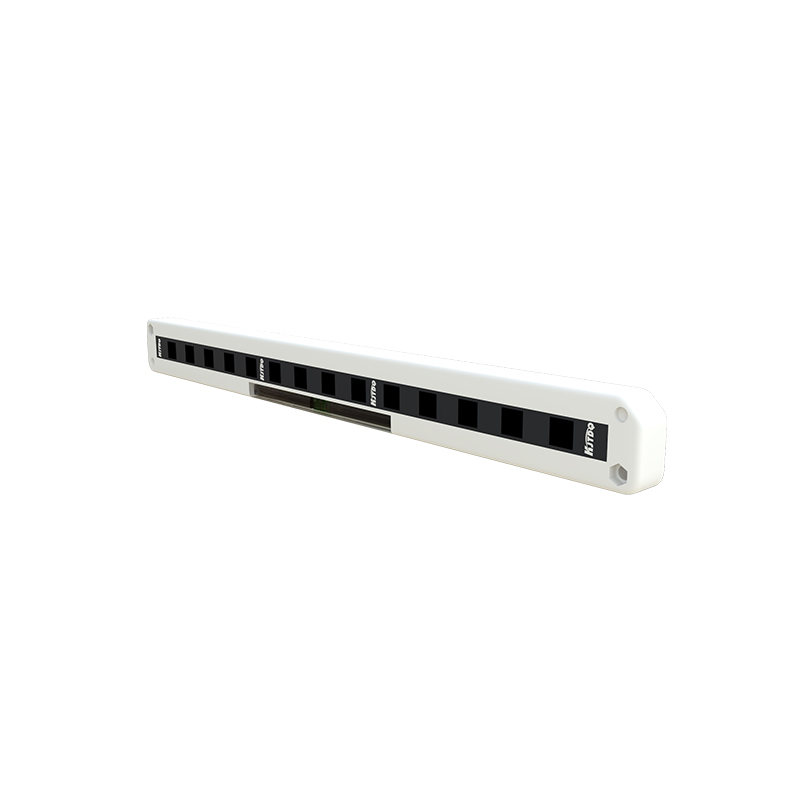
Textile mills present challenges like lint accumulation, high humidity, and electromagnetic interference. Choose sensors with IP67 or higher ratings for dust and water resistance. Through-beam sensors offer the longest detection range and reliability in dusty areas. Retro-reflective models work well for medium-range applications. For color-sensitive tasks, use color-mark sensors with adjustable sensitivity. Fiber optic sensors excel in tight spaces, such as needle beds in knitting machines.
Integration with Automation and Control Systems
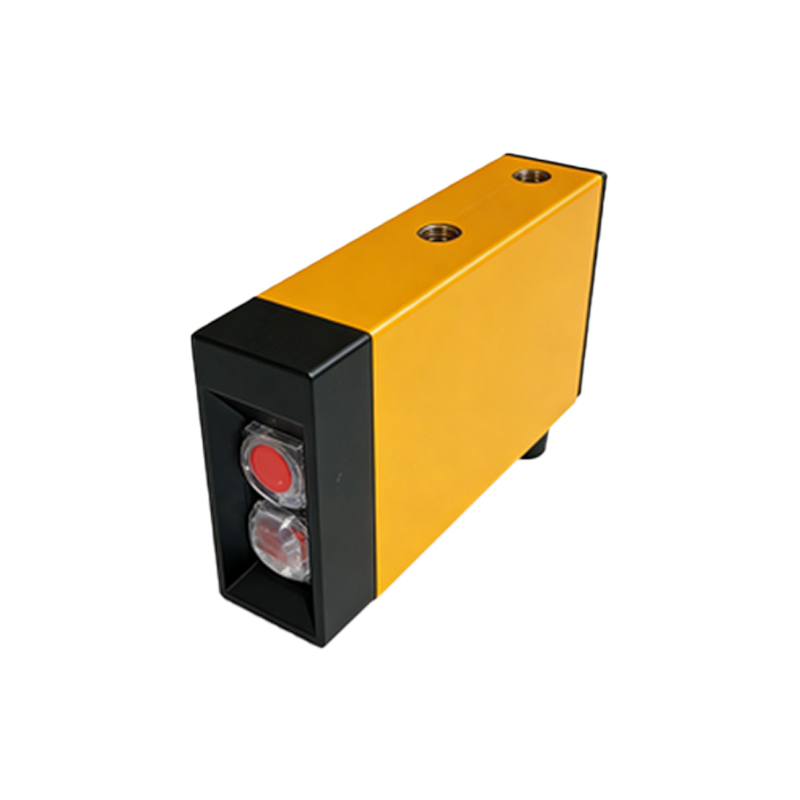
Modern photoelectric sensors communicate via IO-Link, Profinet, or EtherCAT, enabling seamless integration with PLCs and SCADA systems. This allows for remote monitoring of sensor status, parameter adjustments, and fault diagnostics. For example, a sensor detecting a thread break can send a signal to the central controller, which automatically stops the machine and alerts the operator via a dashboard. Such automation reduces manual intervention and improves overall equipment effectiveness (OEE).
Maintenance and Troubleshooting Best Practices
Regular cleaning of sensor lenses with lint-free cloths and compressed air prevents false readings. Check alignment of emitter and receiver units after any machine vibration or adjustment. Use diagnostic LEDs on sensors to verify power and output status. For intermittent faults, review ambient light interference or reflective surfaces near the sensor. Implement a proactive replacement schedule based on manufacturer guidelines, especially for sensors exposed to high heat or chemical vapors.
Future Trends and Innovations
Emerging technologies include smart sensors with self-calibration and adaptive threshold algorithms. These can automatically adjust to changing yarn colors or ambient light conditions. Wireless photoelectric sensors are being developed for mobile textile equipment, reducing cabling complexity. AI-driven analytics will predict sensor failures by analyzing historical data patterns, further minimizing unplanned downtime. The integration of photoelectric sensors with digital twins will enable virtual testing of new production layouts.