Introduction to Photoelectric Sensors in Industrial Automation
Photoelectric sensors are critical components in modern production lines, enabling non-contact detection of objects, distances, and material presence. As an electrical engineer, understanding their operational principles—such as through-beam, retro-reflective, and diffuse modes—is essential for enhancing efficiency. These sensors use light beams, typically infrared or visible, to detect changes in the environment, making them ideal for high-speed, harsh manufacturing settings.
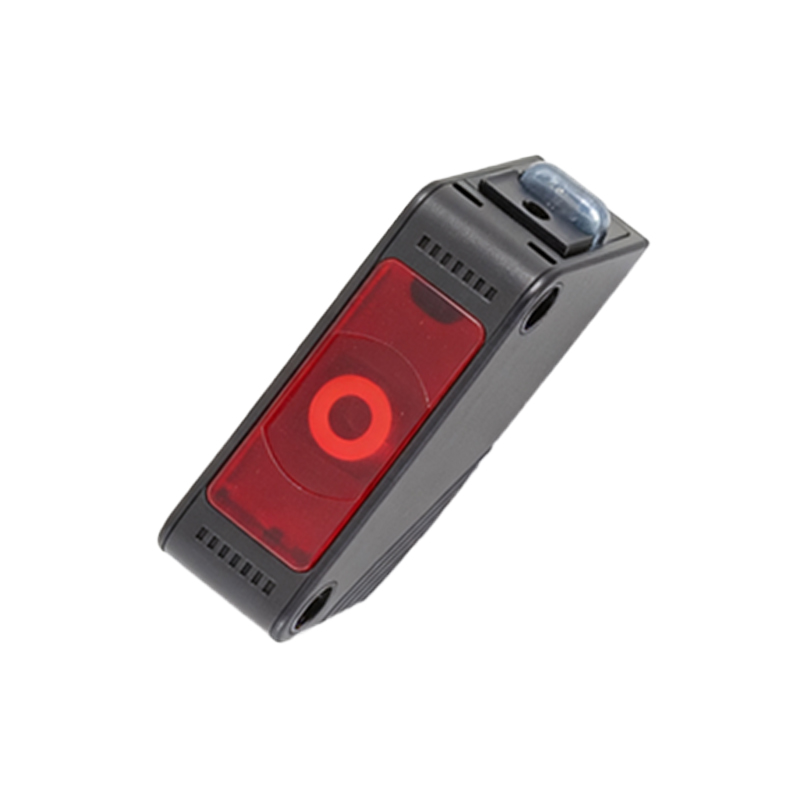
Key Types of Photoelectric Sensors and Their Applications
Through-beam sensors consist of a separate emitter and receiver, offering the longest sensing range and immunity to contamination, making them suitable for long conveyor belts. Retro-reflective sensors combine emitter and receiver in one unit, detecting objects by reflecting light off a reflector, perfect for packaging lines. Diffuse sensors detect objects by reflected light from the target itself, ideal for short-range applications like part counting. For example, in automotive assembly, diffuse sensors verify component placement, while through-beam models monitor overhead crane positioning.
Installation Best Practices for Production Line Integration
Proper installation ensures reliability. Mount sensors at a stable distance from target materials, considering factors like ambient light, dust, and vibration. Use redundant sensors for critical checkpoints, such as in food processing where hygiene demands frequent cleaning. Calibrate sensitivity settings to avoid false triggers from reflective surfaces or transparent materials. For instance, in a bottling plant, retro-reflective sensors should be angled to avoid interference from liquid reflections.
Troubleshooting Common Issues in Photoelectric Sensor Systems
Common problems include misalignment, signal interference, and contamination. Misalignment often occurs in vibrating environments; use lockable mounts and periodic alignment checks. Signal interference can stem from cross-talk between multiple sensors—implement shielding or staggered frequencies. Contamination from oil or dust requires regular cleaning with appropriate solvents. For example, in a woodworking line, diffuse sensors may fail due to sawdust accumulation; schedule daily maintenance.
Future Trends: Smart Sensors and Industry 4.0 Integration
Advancements include IO-Link communication, enabling real-time data transmission for predictive maintenance. Smart photoelectric sensors with self-diagnostic features reduce downtime by alerting engineers to lens fogging or LED degradation. In automated warehouses, these sensors integrate with IoT platforms to optimize sorting and inventory tracking. As Industry 4.0 evolves, expect enhanced sensitivity for complex materials like glass or reflective metals.
Conclusion
Photoelectric sensors are indispensable for modern production lines, offering reliability and adaptability. By selecting the right type, following installation guidelines, and embracing smart technology, engineers can significantly boost productivity and reduce operational costs. Continuous learning and field testing remain key to mastering these devices in dynamic manufacturing environments.