Introduction to Huineng Photoelectric Sensors
Huineng photoelectric sensors are essential components in modern industrial automation systems, designed to detect the presence, absence, or position of objects using light beams. These sensors convert light signals into electrical outputs, enabling precise control in manufacturing processes. Built with robust materials and advanced optics, Huineng sensors excel in harsh environments, offering reliable performance in industries such as automotive, packaging, and logistics.
Operating Principles and Types
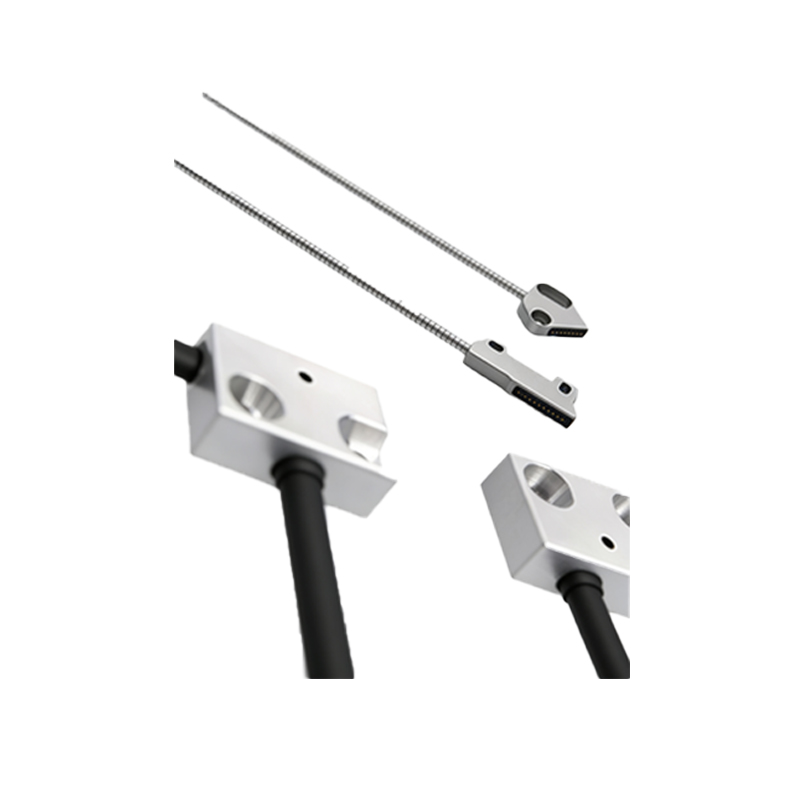
Huineng photoelectric sensors operate on three primary principles: through-beam, retro-reflective, and diffuse reflection. Through-beam sensors use separate emitter and receiver units for long-range detection, while retro-reflective models combine both in a single housing with a reflector. Diffuse sensors rely on light reflected directly from the target. Each type is tailored for specific applications, ensuring optimal accuracy and range. For example, through-beam sensors are ideal for dusty environments, while diffuse sensors suit transparent object detection.
Key Features and Benefits
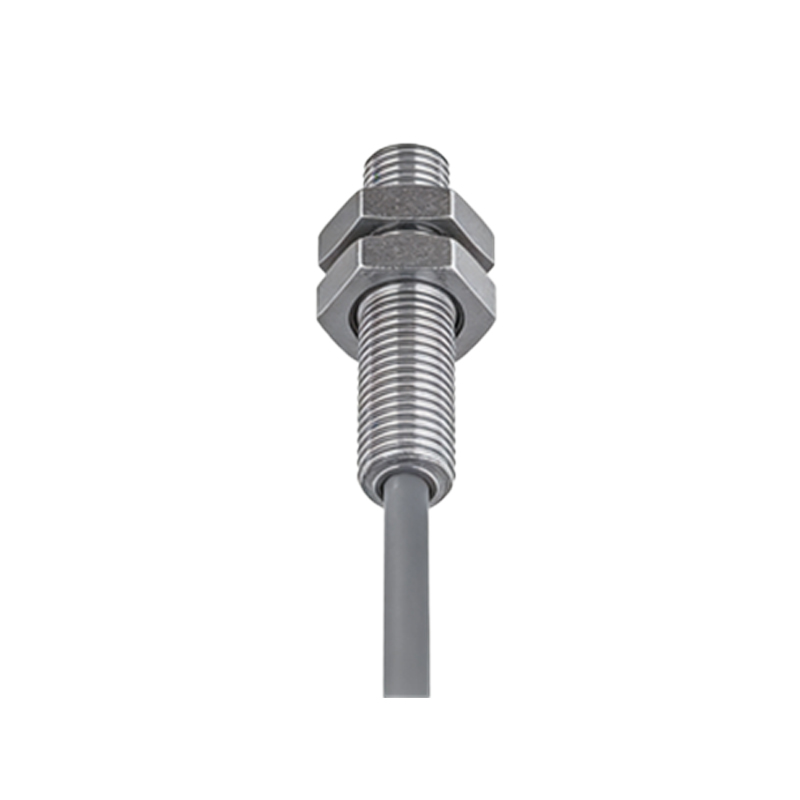
These sensors offer high sensitivity, fast response times, and immunity to ambient light interference. With IP67 or higher ratings, Huineng sensors withstand moisture, vibration, and temperature extremes. Their compact design simplifies installation in tight spaces, and built-in diagnostics reduce downtime. Additionally, adjustable sensitivity and output options (PNP, NPN, or analog) enhance flexibility, making them compatible with various PLC systems.
Applications in Industry
Huineng photoelectric sensors are widely used in conveyor belt monitoring, object counting, and robotic guidance. In packaging lines, they detect product presence for accurate labeling. In automotive assembly, they verify component alignment. Their ability to detect materials like metal, glass, or plastic without contact minimizes wear, extending equipment life. Safety applications include presence sensing in hazardous zones, triggering alarms or shutdowns.
Installation and Maintenance Tips
Proper installation involves aligning the sensor with its target or reflector, ensuring clean optics, and avoiding direct sunlight. Regular cleaning of lenses with a soft cloth prevents signal degradation. For long-term reliability, test sensor performance during routine maintenance cycles and replace units showing erratic behavior. Huineng provides manual guides and technical support for troubleshooting, including wiring diagrams and distance calibration.
Future Trends and Innovations
As Industry 4.0 advances, Huineng integrates IoT connectivity, allowing real-time data transmission and remote diagnostics. Smart sensors with self-calibration and predictive failure alerts are emerging, reducing human intervention. Enhanced laser-based models offer sub-millimeter precision for microelectronics. These innovations align with sustainability goals, optimizing energy usage and reducing waste through smarter detection.