Overview of L-Shaped Slot Photoelectric Sensors
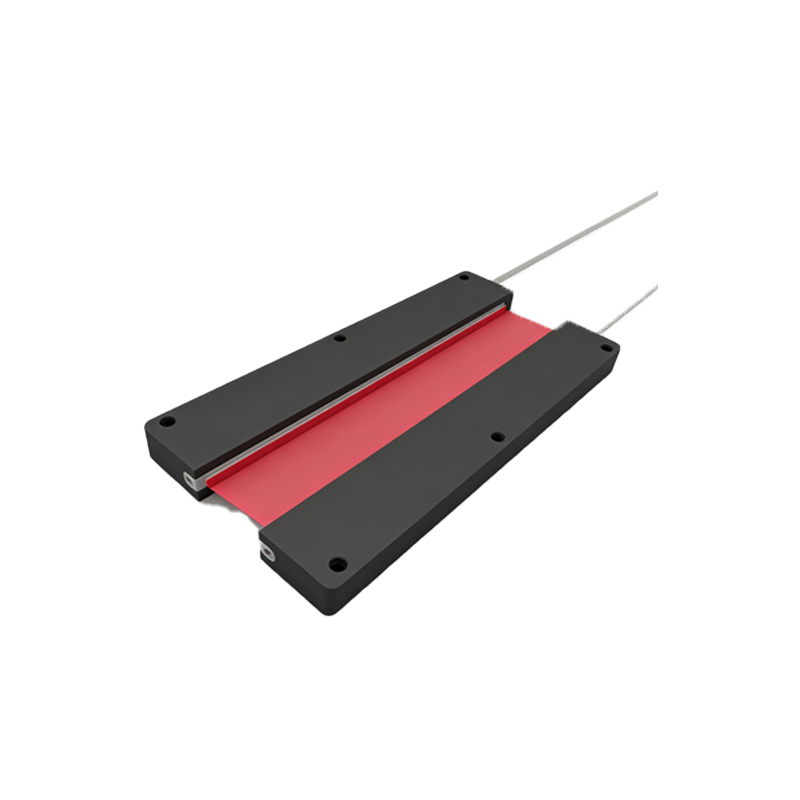
L-shaped slot photoelectric sensors, also known as fork sensors, are widely used in automation and material handling systems. These sensors feature a U-shaped or L-shaped design that allows precise detection of objects passing through the gap. They are ideal for applications requiring high-speed counting, position detection, and edge sensing. Understanding the pricing structure is crucial for procurement engineers and facility managers.
Key Factors Influencing Price
The cost of L-shaped slot photoelectric sensors varies based on several technical parameters. Detection range, typically from 5 mm to 50 mm, directly impacts price. Sensors with longer ranges or higher resolution cost more. Output type, such as NPN, PNP, or analog, also affects pricing. Additionally, environmental ratings like IP67 for dust and water resistance increase the cost. Brand reputation and material quality, including stainless steel or polycarbonate housings, are significant price drivers.
Typical Price Range in the Market
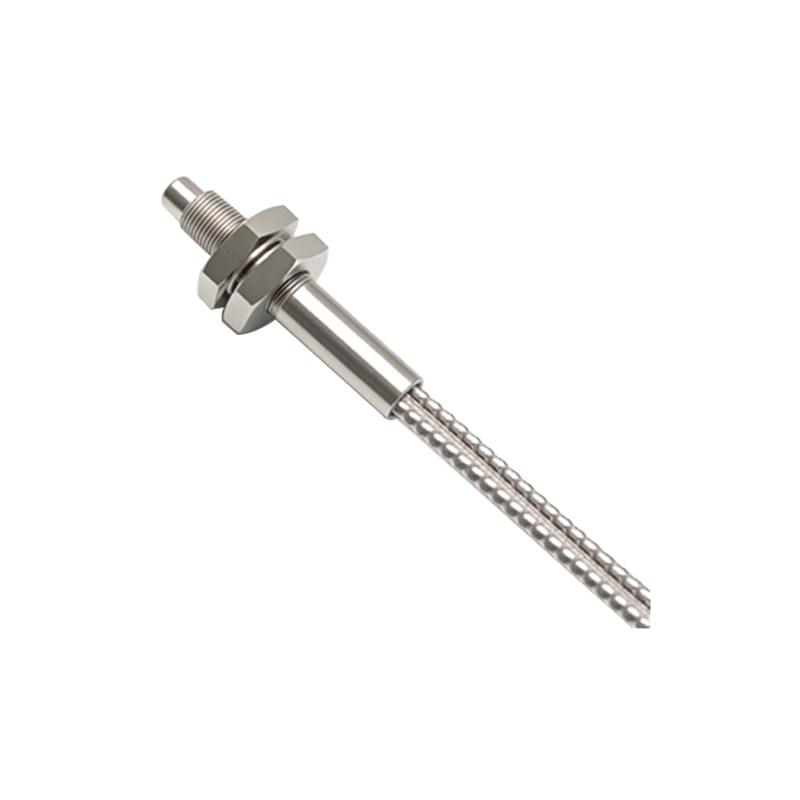
Based on current industrial supplier data, entry-level L-shaped slot sensors from brands like Omron or Keyence start at approximately $60 to $120 per unit. Mid-range models with enhanced features, such as adjustable sensitivity or fiber optic options, range from $150 to $300. High-end sensors with advanced diagnostics, IO-Link communication, or extreme temperature tolerance can exceed $500. Bulk purchasing often reduces per-unit costs by 10-20 percent.
Cost-Effectiveness and Long-Term Value
While upfront price is important, consider total cost of ownership. Cheaper sensors may have shorter lifespans or lower reliability in harsh environments, leading to frequent replacements. Investing in a slightly more expensive sensor from a reputable manufacturer can reduce downtime and maintenance expenses. For example, a $250 sensor with a five-year warranty may provide better value than a $100 sensor needing annual replacement.
How to Get the Best Price
To secure competitive pricing, request quotes from multiple distributors like Digi-Key, Mouser, or direct from manufacturers. Specify technical requirements clearly to avoid overpaying for unnecessary features. Consider generic or OEM alternatives, which often offer similar performance at 30-40 percent lower cost. Joining industry group purchasing programs or negotiating annual contracts can also yield discounts.
Conclusion and Recommendations
L-shaped slot photoelectric sensor prices are driven by technical specs, brand, and environmental resistance. For standard automation tasks, mid-range sensors offer the best balance of cost and performance. Always evaluate the sensor's compatibility with existing control systems. By understanding market rates and leveraging bulk buying, you can optimize your procurement strategy.