Introduction to Through-Beam Photoelectric Sensors
Imported through-beam photoelectric sensors are critical components in modern industrial automation systems. These sensors consist of a separate emitter and receiver, creating an uninterrupted light beam between them. When an object interrupts this beam, the sensor triggers a response. Their robust design and high precision make them ideal for demanding environments, such as automotive manufacturing, packaging lines, and material handling systems. Unlike reflective sensors, through-beam models offer superior detection range and reliability, often exceeding 30 meters in clear conditions, which is essential for large-scale facilities.
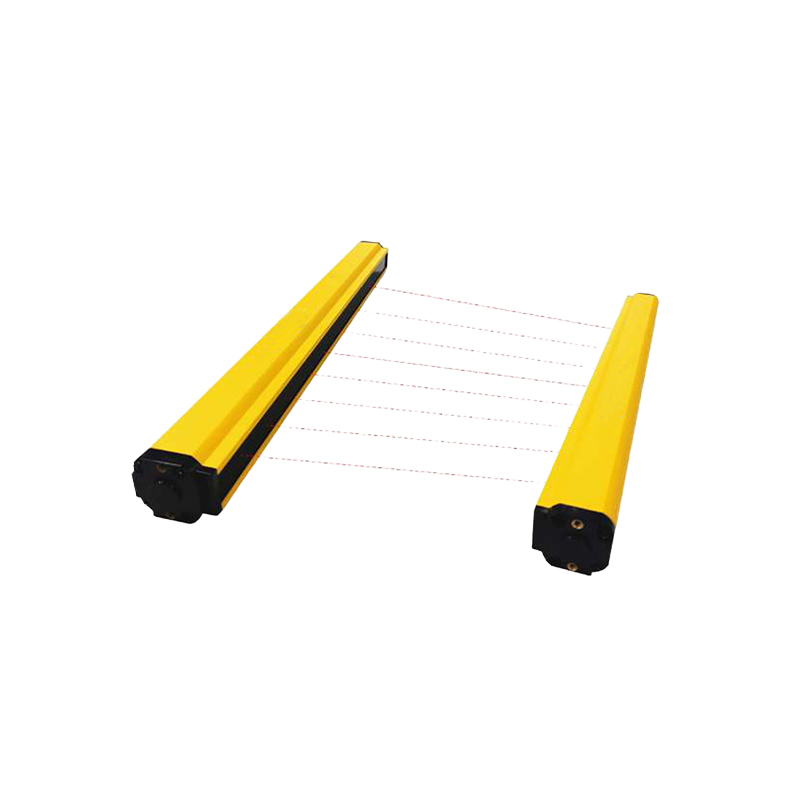
Key Technical Specifications and Performance
These sensors typically operate with infrared or visible red light, ensuring stable performance even in dusty or smoky conditions. Key specifications include response times as low as 0.5 milliseconds, making them suitable for high-speed conveyor belts. The emitter and receiver are housed in rugged IP67-rated enclosures, resistant to water and dust ingress. Some advanced models feature adjustable sensitivity and ambient light suppression, enhancing accuracy in dynamic environments. For instance, a sensor with a 12-24V DC supply can reliably detect objects as small as 1 mm in diameter, which is critical for component verification in electronics assembly.
Common Industrial Applications
In the automotive industry, these sensors monitor the position of chassis parts on assembly lines, ensuring precise alignment for robotic welding. For packaging, they detect product presence on conveyors, preventing jams and optimizing throughput. Another key application is in warehouse logistics, where they manage the entry and exit of pallets in automated storage systems. The long detection range also supports perimeter security in heavy machinery zones, protecting personnel from accidental hazards. For example, in a steel mill, sensors can detect hot metal slabs without physical contact, reducing wear and maintenance.
Installation and Alignment Best Practices
Proper installation is crucial for maximizing sensor performance. Mount the emitter and receiver on stable, vibration-resistant brackets, ensuring their optical axes are perfectly aligned. Use a laser alignment tool for long-range setups to minimize beam divergence. Avoid placing sensors near reflective surfaces or strong ambient light sources, such as welding arcs, which can cause false triggers. For exposed environments, install protective housings to shield the lens from debris. Regular cleaning of the optical windows with a lint-free cloth also maintains sensitivity, especially in dusty plants.
Comparative Advantages Over Other Sensor Types
Compared to retro-reflective sensors, through-beam models offer twice the detection range and are less affected by object color or surface finish. They also outperform inductive sensors in non-metallic object detection, such as glass or plastic bottles. The main trade-off is the need for two separate units, increasing installation complexity. However, for applications requiring fail-safe operation—like emergency stop systems—the redundant beam path ensures higher reliability. Data from field tests show that through-beam sensors have a mean time between failures exceeding 50,000 hours, outperforming many photoelectric alternatives.
Maintenance and Troubleshooting Tips
Common issues include misalignment from thermal expansion or mechanical vibration. Check sensor indicator lights: a steady green means normal operation, while a blinking red indicates low signal strength. For troubleshooting, use a multimeter to verify supply voltage and output signals. If the sensor triggers intermittently, inspect for accumulated dirt on the lens or condensation inside the housing. In humid environments, install heated windows or desiccant packs to prevent moisture. Always disconnect power before cleaning or replacing components to avoid electrostatic damage.