Understanding the Need for Photoelectric Sensor Recycling
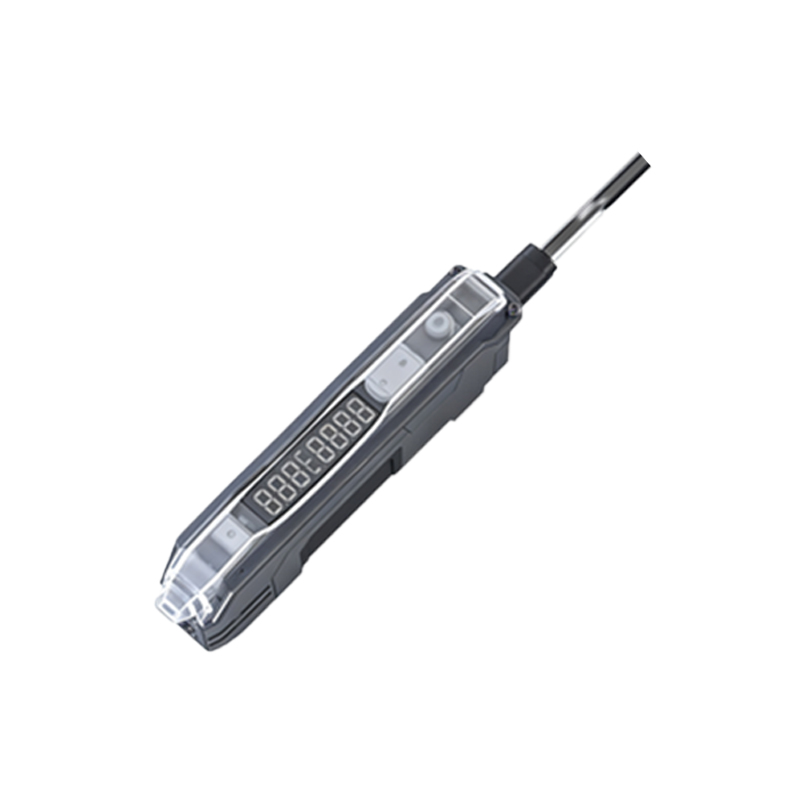
As an electrical engineer in industrial automation, I often encounter outdated or malfunctioning photoelectric sensors from brands like SICK, Banner, or Omron. These components, containing rare metals and electronic boards, should not end up in landfills. Recycling them not only reduces environmental impact but also recovers valuable materials. The key question remains: where can you locate reliable recycling services that understand industrial-grade sensors?
Specialized Electronic Waste Recyclers
Your first option is to contact certified e-waste recycling companies that specialize in industrial electronics. Many firms, such as Sims Lifecycle Services or ERI Direct, offer pick-up services for bulk sensor shipments. They evaluate items for reuse, resale, or material extraction. Ensure the recycler provides a certificate of data destruction if sensors stored production data. Search online using terms like "industrial sensor recycling near me" or "photoelectric sensor disposal services."
Manufacturer Take-Back Programs
Several sensor manufacturers offer take-back or recycling programs. For example, SICK has a global "SICK Lifecycle Services" that recycles old sensors for free or at low cost. Similarly, Banner Engineering accepts returns for certain models. Check the manufacturer's website for a "Recycling" or "Sustainability" section. This route ensures proper handling of proprietary components and often provides shipping labels.
Industrial Equipment Auctions and Exchanges
If your sensors are still functional, consider platforms like eBay Industrial, GovDeals, or local surplus exchanges. These sites let you sell or donate sensors to other engineers who can reuse them. This extends the product life and reduces waste. For non-functional units, some auction houses partner with recyclers for bulk disposal. Always verify the platform's policy on electronic waste.
Local Scrap Metal and Electronic Recyclers
Another practical solution is visiting local scrap metal yards or electronic recyclers. These businesses accept mixed metals and circuit boards from sensors. However, they may not separate sensor types, so inquire about their handling of industrial electronics. Call ahead to confirm they accept photoelectric sensors, as some may reject items with plastic housings. This option is best for small quantities.
Safety and Compliance Considerations
Before recycling, ensure you remove any lithium batteries from sensors, as they require special handling. Follow local regulations for electronic waste, such as the WEEE Directive in Europe or RCRA in the US. Document the recycling process for your company's sustainability reports. Always request a manifest or receipt from the recycler to prove lawful disposal.
Conclusion: Taking Action
In summary, the best places for photoelectric sensor recycling include certified e-waste recyclers, manufacturer programs, industrial exchanges, and local scrap yards. Start by contacting the sensor's manufacturer for a take-back option. If that fails, use online directories like Earth911 or ISRI to find a certified recycler in your area. Remember, proper recycling supports both environmental goals and industry standards.