Introduction to Industrial Through-Beam Photoelectric Sensors
Industrial through-beam photoelectric sensors are a cornerstone of modern automation, offering unmatched reliability and long-range detection in harsh manufacturing environments. These sensors consist of a separate emitter and receiver, aligned to create an uninterrupted light beam. When an object breaks this beam, the receiver triggers a output signal. This design provides superior immunity to dust, dirt, and ambient light, making them ideal for applications like conveyor monitoring, part counting, and safety guarding. Engineers value their simple yet robust operation, which ensures consistent performance in demanding industrial settings, from automotive assembly lines to food processing plants.
Key Components and Working Principle
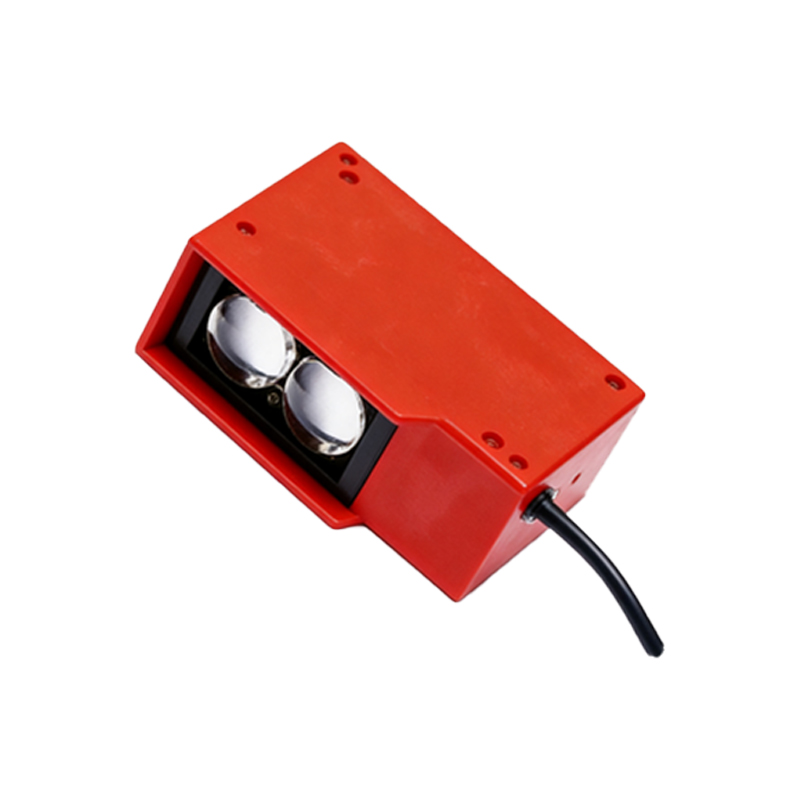
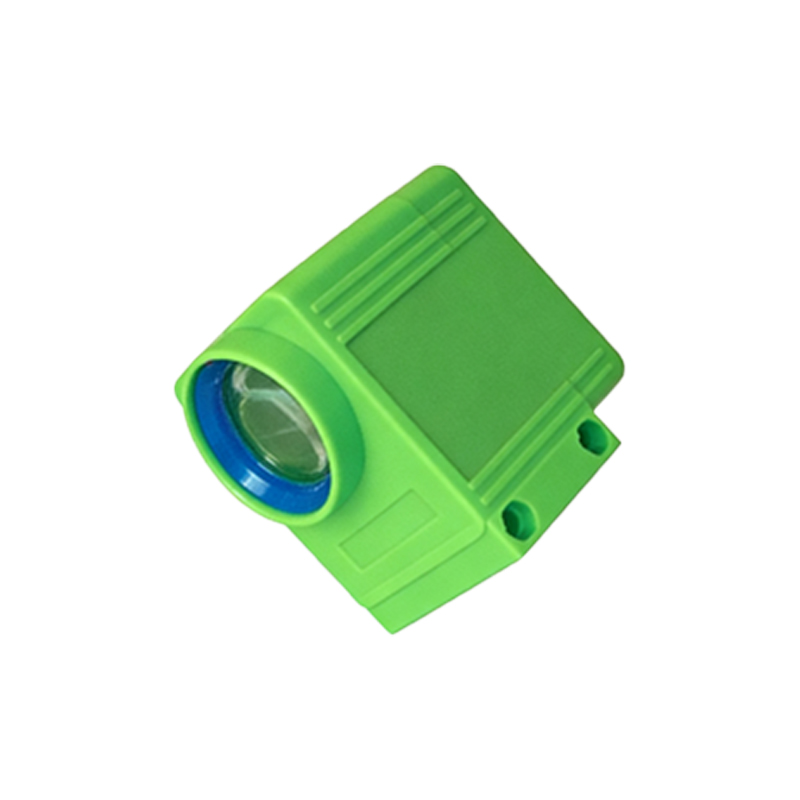
The fundamental architecture of a through-beam sensor includes a focused light source, typically an infrared or visible red LED, within the emitter unit. The receiver houses a photodetector tuned to the same wavelength. The system operates on the principle of line-of-sight detection. The emitter continuously sends a modulated light beam; modulation is critical to distinguish the signal from background interference. The receiver constantly monitors for this specific signal. Any interruption, even by a small or transparent object, causes a loss of signal, which is instantly converted into a electrical switching action. This binary detection is highly deterministic, offering the highest level of accuracy for presence and absence sensing.
Advantages Over Other Sensor Types
Compared to retro-reflective and diffuse sensors, through-beam sensors provide several distinct advantages. Firstly, they offer the longest sensing range, often exceeding 100 meters for specialized industrial models. Secondly, they are the most reliable for detecting opaque objects of any color or surface finish, including glossy black materials that can fool other sensor types. Thirdly, their separate emitter and receiver arrangement minimizes the risk of false triggers caused by reflective backgrounds or shiny machinery. The effective beam path is also extremely narrow, allowing for precise detection of small targets, such as needles or small screws on a conveyor belt.
Critical Installation and Alignment Considerations
Proper installation is paramount for achieving optimal performance. The emitter and receiver must be precisely aligned along a common optical axis. Misalignment, even by a few degrees, can drastically reduce sensing range or cause intermittent detection. Most industrial models feature visible red alignment aids or built-in alignment indicators. Engineers should mount both units rigidly to prevent vibration-induced misalignment. Clean, dust-free lens surfaces are essential; regular maintenance schedules should include lens cleaning, especially in dusty or oily environments. Cable routing must avoid high-voltage power lines to prevent electromagnetic interference.
Common Industrial Applications
Through-beam sensors excel in numerous high-stakes applications. In automated warehousing, they monitor pallet positions on tall rack systems. In automotive body shops, they detect car bodies through paint spray mist. In packaging, they count bottles at high speeds on filling lines, even when bottles are clear. In portal and gate automation, they serve as safety devices to prevent closure on obstructions. Their long range also makes them ideal for perimeter monitoring in logistics yards. They are the go-to choice when reliability is non-negotiable, such as in critical machine interlocking systems.
Selecting the Right Sensor for Your Application
When choosing a through-beam sensor, engineers must evaluate several parameters: maximum sensing distance, output type (NPN, PNP, or analog), response time, and environmental ratings (IP67, IP69K for washdown). For outdoor use, consider units with built-in heater elements to prevent lens fogging. For high-speed applications, select sensors with fast switching frequencies. Connectorized models simplify replacement. Always verify that the sensor's light source wavelength is compatible with any existing control system. Leading manufacturers like SICK, Banner, and Omron offer extensive catalogs with detailed application notes to assist in selection.
Troubleshooting Common Issues
Common field issues include intermittent triggering due to gradual misalignment from thermal expansion or mechanical settling. Engineers should first check alignment with a laser pointer or alignment tool. Loose electrical connections cause erratic signals; verify terminal tightness. Accumulated debris on lenses reduces signal strength; clean with isopropyl alcohol and a lint-free cloth. In environments with steam or fog, consider using sensors with higher optical power. If the sensor cycles rapidly, check for reflective surfaces near the beam path. Always consult the manufacturer's manual for specific error codes and diagnostic procedures.
Future Trends and Integration with Industry 4.0
The next generation of through-beam sensors is evolving with Industry 4.0. Smart sensors now incorporate IO-Link communication, allowing real-time data transmission of signal strength, temperature, and maintenance alerts. Some models feature adjustable beam width via digital commands. Wireless through-beam sensors are emerging for temporary installations. Integration with PLCs and SCADA systems enables predictive maintenance, where gradual signal degradation is logged and analyzed to schedule lens cleaning before a failure occurs. These advances are extending the already legendary reliability of through-beam technology into the era of smart manufacturing.