Introduction to Slot-Type Photoelectric Sensors
Slot-type photoelectric sensors are critical components in industrial automation, used for precise object detection, counting, and positioning. These sensors operate by emitting a light beam from one side of a slot to a receiver on the opposite side. However, in harsh environments such as manufacturing floors, dust particles can accumulate on optical surfaces, causing signal attenuation or false triggering. Understanding the dust-proof mechanism is essential for maintaining sensor reliability and longevity, especially in industries like automotive assembly, packaging, and material handling.
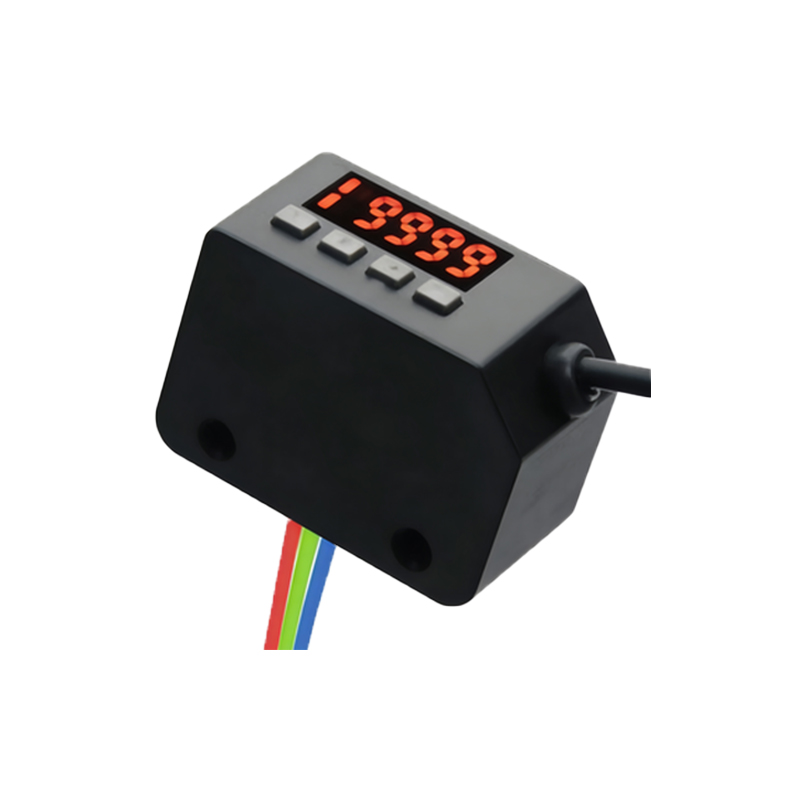
Common Dust Contamination Challenges in Industrial Settings
Dust particles, ranging from fine powders to fibrous debris, can infiltrate sensor housings through gaps or adhere to lenses due to electrostatic charges. This contamination scatters or blocks the light beam, leading to detection errors. For example, in cement plants or woodworking facilities, airborne dust can quickly degrade sensor performance. Standard sensors without adequate protection might require frequent cleaning or replacement, increasing downtime and maintenance costs. The dust-proof mechanism addresses these issues by integrating physical barriers and advanced sealing technologies.
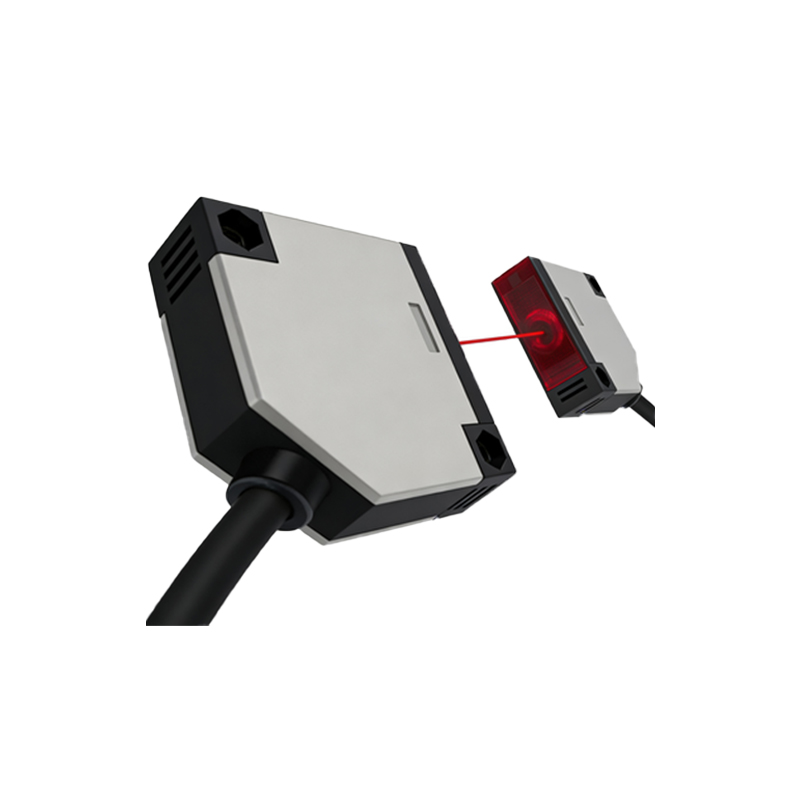
Structural Design for Dust Resistance
The primary defense against dust in slot-type sensors is a robust housing design. Manufacturers use high-grade materials like stainless steel or reinforced polycarbonate to create sealed enclosures. The slot itself is often equipped with transparent, scratch-resistant covers made from polycarbonate or glass. These covers are precisely aligned to minimize gaps where dust could enter. Additionally, the sensor body features labyrinth seals or gaskets made from silicone or rubber, which compress around the edges to block particulate ingress. This structural approach ensures that even in dusty conditions, the optical path remains clear.
Advanced Sealing Techniques and IP Ratings
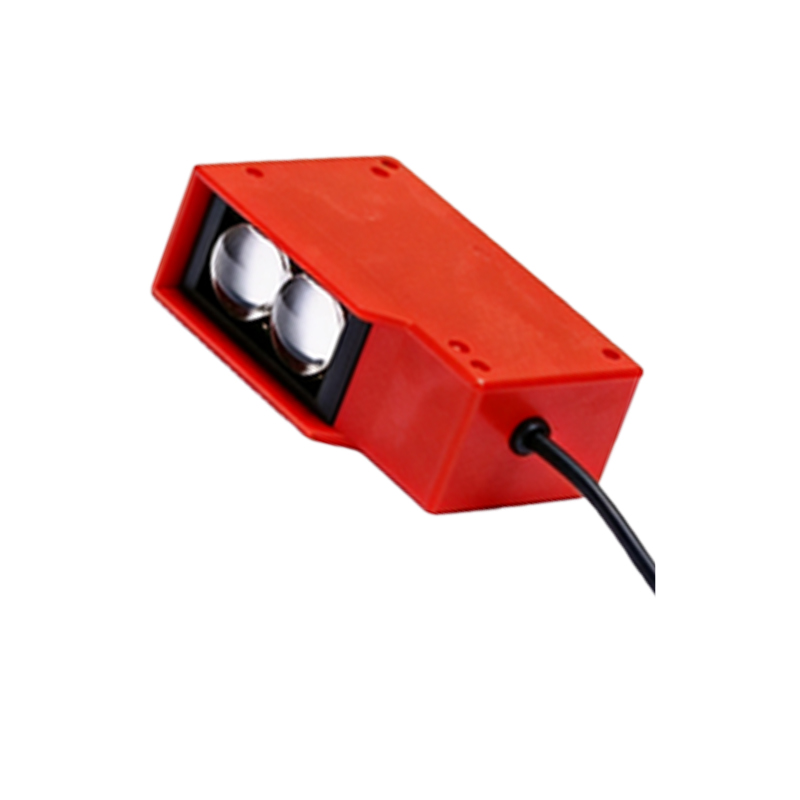
To enhance dust-proof performance, sensors are engineered to meet specific Ingress Protection (IP) ratings, such as IP67 or IP68. These ratings indicate resistance to dust and water immersion. For slot-type sensors, achieving IP67 involves designing fully sealed housings with O-rings or potting compounds that fill internal cavities. The use of hydrophobic coatings on lenses further repels dust by reducing adhesion. Some models incorporate air purge systems, where a continuous flow of compressed air prevents dust accumulation on the sensor window. This technique is particularly effective in high-dust environments like mining or grain processing.
Optical Compensation and Self-Cleaning Features
Beyond physical barriers, modern slot-type sensors include electronic compensation to mitigate dust effects. For instance, automatic gain control (AGC) adjusts the receiver sensitivity to compensate for reduced light intensity caused by dust accumulation. Some sensors feature self-cleaning mechanisms, such as ultrasonic vibrations that dislodge particles from the lens surface. These innovations extend maintenance intervals and improve operational stability. Additionally, sensors with redundant optical paths can continue functioning even if one pathway is partially blocked, ensuring uninterrupted automation processes.
Maintenance Best Practices for Dust-Prone Environments
Despite built-in protection, periodic maintenance is crucial for optimal performance. Engineers should schedule regular inspections to clean sensor windows using lint-free cloths and isopropyl alcohol. Avoiding abrasive cleaners prevents surface damage. In extremely dusty areas, installing protective shields or enclosures around the sensor can reduce direct exposure. Real-time monitoring systems that track signal strength can alert operators to dust buildup before failures occur. By combining design features with proactive maintenance, slot-type photoelectric sensors can maintain accuracy and durability in challenging industrial settings.