2026-06-06
Tech Hub
By 创始人
Understanding Photoelectric Sensor Shading: Causes, Effects, and Solutions
Introduction to Photoelectric Sensor Shading
Photoelectric sensors are widely used in industrial automation for detecting objects, distances, and positions. Shading refers to the unintended obstruction or blockage of the sensor's light beam, which can lead to false readings, missed detections, or system errors. Understanding shading is crucial for maintaining reliable performance in manufacturing lines, packaging, and material handling systems.
Common Causes of Shading
Shading can occur due to various factors: physical obstructions like dust, debris, or oil accumulation on the sensor lens; misalignment of the emitter and receiver; environmental conditions such as fog, smoke, or steam; and mechanical wear that shifts the sensor housing. In high-speed production environments, even a thin layer of condensation can cause temporary shading, leading to intermittent faults.
Impact on System Performance
When shading occurs, the sensor may fail to detect objects, triggering false alarms or causing machinery to stop unexpectedly. This reduces overall equipment effectiveness (OEE) and increases downtime. For critical applications like safety light curtains, shading can pose serious safety risks by failing to detect personnel or objects in hazardous zones.
Diagnosing Shading Issues
To diagnose shading, you should inspect the sensor lens for visible contamination, verify alignment using a laser alignment tool, and check the ambient light conditions. Use an oscilloscope to analyze the sensor's output signal: a fluctuating signal often indicates intermittent shading, while a flat-line signal suggests complete blockage. Also, review the sensor's datasheet for the specified operating distance and excess gain.
Preventive Maintenance Strategies
Regular cleaning schedules with lint-free cloths and isopropyl alcohol can prevent dust and oil buildup. Install protective housings or air curtains in dusty environments. For outdoor or humid areas, use heated or purged sensor housings to avoid condensation. Periodic recalibration and alignment checks should be part of the maintenance plan.
Troubleshooting Steps for Persistent Shading
First, replace the sensor lens if scratched or damaged. Adjust the mounting bracket to ensure a clear line of sight. If the issue persists, consider using a sensor with a more powerful light source, such as a laser photoelectric sensor, which can penetrate dust and steam. For reflective sensors, switch to a diffuse type to reduce sensitivity to background shading.
Advanced Solutions: Sensor Selection and Design
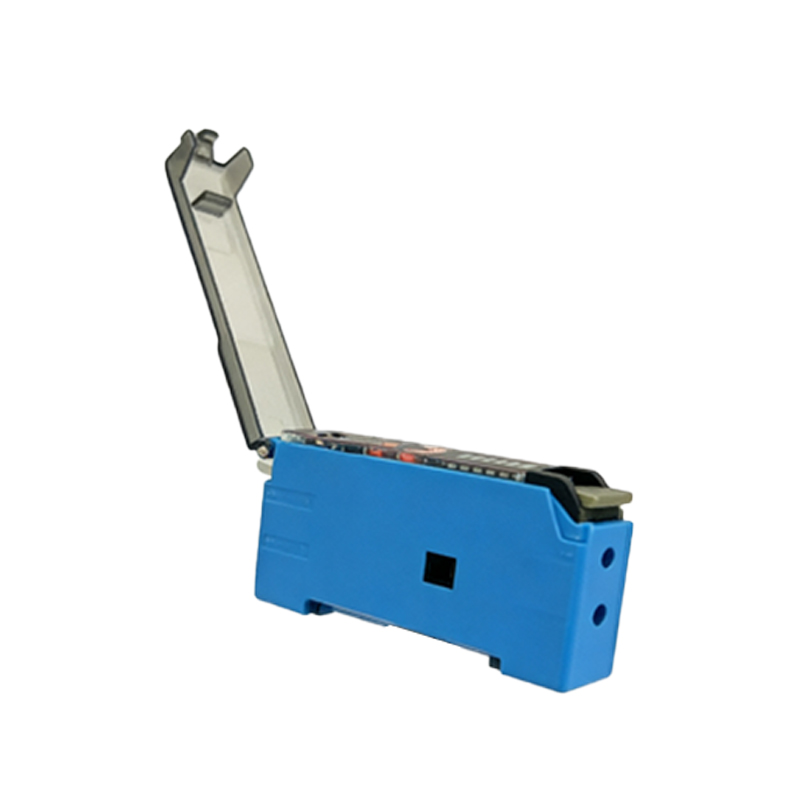
Select sensors with built-in diagnostics that can alert operators to reduced excess gain. Use background suppression sensors to ignore distant objects. In complex systems, implement redundant sensors or beam-breaking patterns to mitigate the risk of shading. For harsh environments, fiber optic sensors with remote amplifiers offer better resistance to contamination.
Conclusion: Optimizing Sensor Reliability
Photoelectric sensor shading is a manageable challenge with proper maintenance, alignment, and sensor selection. By understanding the root causes and implementing systematic troubleshooting, engineers can minimize downtime and ensure consistent performance in automated processes.