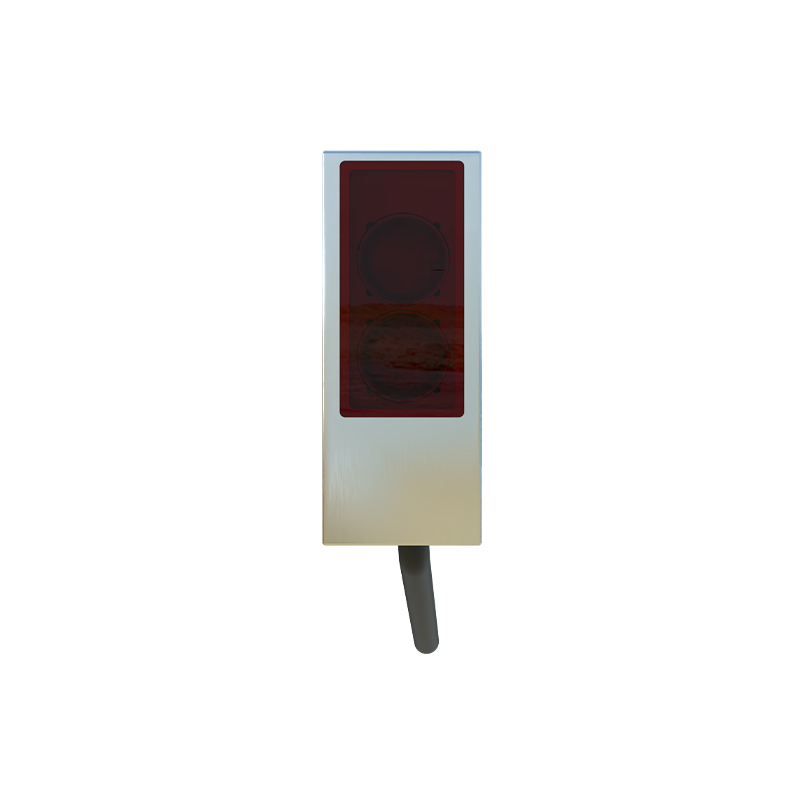
Introduction to Photoelectric Sensors
Photoelectric sensors are critical components in industrial automation, object detection, and process control. This tutorial is designed for electrical engineers, technicians, and system integrators who need to create clear, accurate, and user-friendly guides for implementing these devices. A well-written tutorial ensures that readers understand sensor principles, wiring, calibration, and troubleshooting without ambiguity. The focus is on technical precision, practical examples, and safety considerations.
Understanding Sensor Types and Operating Principles
Before writing, classify the three main types: through-beam, retro-reflective, and diffuse sensors. Describe each with a brief technical note. For through-beam, explain that the emitter and receiver are separate, offering longest range (up to 30m) but requiring alignment. For retro-reflective, note the use of a reflector with a polarized filter to avoid false triggers from shiny surfaces. For diffuse, emphasize that the sensor detects reflected light from the target itself, with shorter range but easier installation. Include a diagram or code snippet (e.g., in Ladder Logic or PLC configuration) to illustrate signal wiring.
Structuring the Tutorial Step by Step
Break the content into logical sections: a) Safety warnings (e.g., disconnect power before wiring). b) Hardware requirements (e.g., sensor model, power supply 10-30V DC, load resistor). c) Wiring diagram with color codes (brown for V+, blue for V-, black for output). d) Configuration: adjust sensitivity potentiometer and teach-in process for diffuse types. e) Testing: use a metal or reflective object to verify output (NPN vs. PNP). f) Common issues: misalignment, ambient light interference, and cable length limits. Each step should include a bullet point or numbered list for clarity.
Writing Technical Content in English
Use direct, imperative voice (e.g., “Connect the brown wire to +24V DC”). Avoid jargon without explanation. For example, define “hysteresis” as the difference between detection and release points. Include equations if relevant, such as range = (emitter power) / (receiver sensitivity * ambient light factor). Use metric units (mm, m) and international standards (IEC 60947-5-2). Provide a sample troubleshooting table with symptoms, causes, and fixes (e.g., “No output: check wiring polarity; reduce ambient light”).
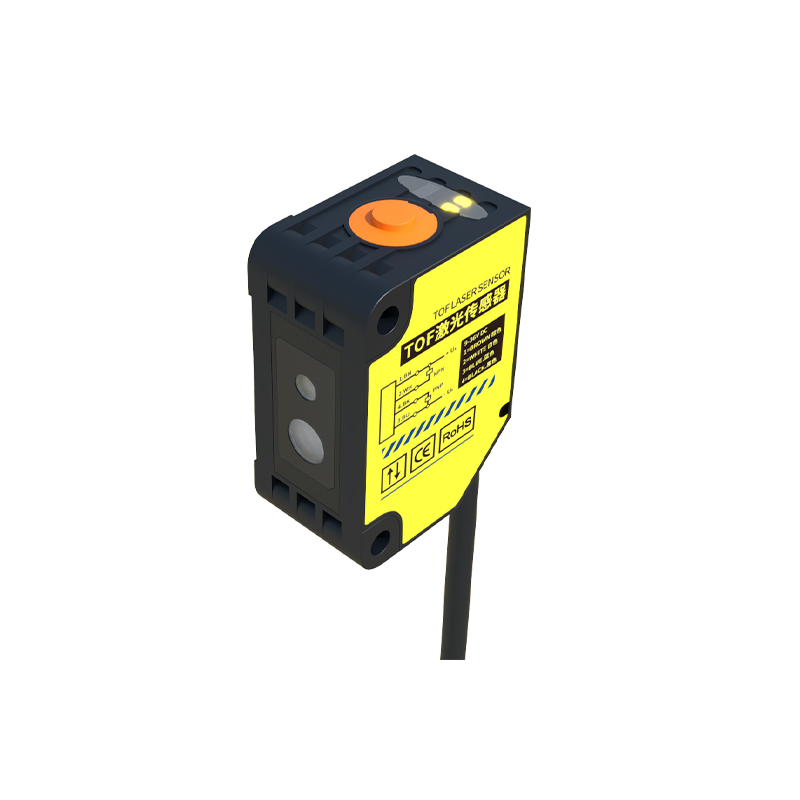
Integrating Visuals and Code Examples
Embed simple ASCII diagrams or refer to standard symbols. For PLC integration, show a Ladder Logic rung: | | | | (e.g., X0: sensor input, Y0: output to actuator). Include a Python or C++ pseudo-code snippet for microcontroller users: if digitalRead(sensorPin) == HIGH: activateMotor(). Label all figures with captions like “Figure 1: Retro-reflective sensor with reflector alignment.” Ensure images are high-contrast and annotated.
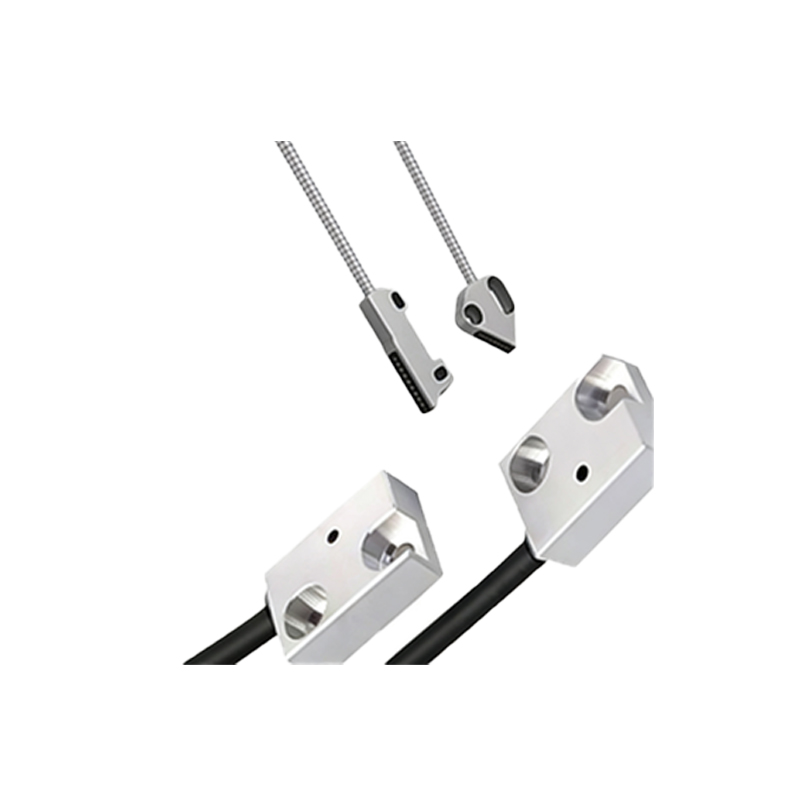
Testing the Tutorial for Accuracy
Verify all specifications against the manufacturer datasheet (e.g., response time< 1ms, protection class IP67). Walk through the instructions with a physical sensor setup. Check that voltage levels match typical industrial standards (24V DC). Test for edge cases: what if the target is transparent? Suggest using a retro-reflective sensor with a polarizing filter. Proofread for spelling (e.g., “sensor” not “senser”) and grammar (consistent tense).
Conclusion and Further Resources
Summarize key takeaways: always start with safety, verify sensor type, and test under real conditions. Provide links to datasheets, application notes, or online simulators. Encourage readers to share feedback or ask questions via technical forums. Remind them that photoelectric sensors are reliable when correctly installed, but periodic cleaning and alignment checks are necessary in dusty environments.