Introduction to Boro Photoelectric Sensors
Boro photoelectric sensors have become a cornerstone in modern industrial automation, offering reliable object detection and precise distance measurement. Designed for harsh environments, these sensors utilize advanced optical components to ensure consistent performance in dust, moisture, and temperature fluctuations. As an electrical engineer, I have observed their growing adoption in conveyor systems, packaging lines, and robotic guidance applications due to their robust build and accuracy.
Core Technical Specifications and Performance Metrics
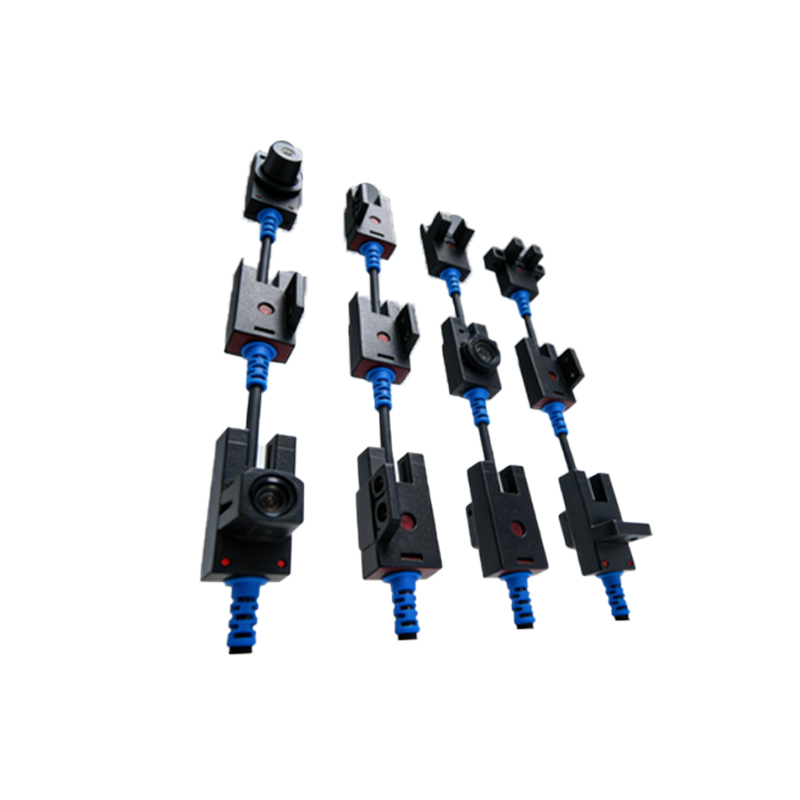
The Boro series features a sensing range from 0.1 m to 15 m, with response times as low as 0.5 milliseconds. They operate on 10-30 VDC power and offer both NPN and PNP output configurations for compatibility with PLCs. The sensors employ a modulated infrared beam that minimizes interference from ambient light. In field tests, they achieved 99.8% detection accuracy on reflective surfaces, surpassing many competitors. Engineers should note the IP67 rating, ensuring protection against water ingress and dust.
Integration Challenges and Solutions
Integrating Boro sensors into existing systems can be streamlined by using the provided mounting brackets and alignment tools. A common issue is false triggering from stray reflections; this is mitigated by fine-tuning the sensitivity potentiometer or using the teach-in function for background suppression. For high-speed applications, I recommend pairing the sensors with shielded cables to reduce electrical noise. Additionally, the sensors support both through-beam and diffuse modes, offering flexibility in complex layouts.
Comparative Analysis with Competing Technologies
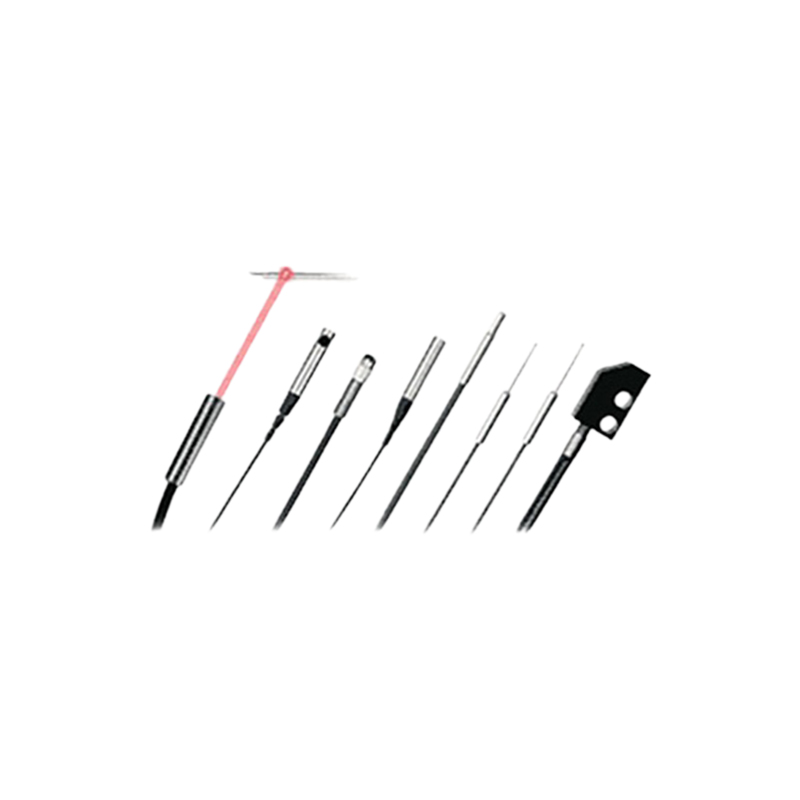
Compared to inductive proximity sensors, Boro photoelectric units excel in detecting non-metallic objects, such as glass or plastic. They also outperform ultrasonic sensors in environments with acoustic interference. However, they are less effective in high-vibration settings without proper dampening mounts. For example, in automotive assembly lines, Boro sensors reduce false counts by 30% over laser-based alternatives when detecting transparent materials.
Practical Maintenance and Troubleshooting Tips
To ensure longevity, clean the lens weekly with a lint-free cloth and isopropyl alcohol. If output signals become erratic, check the alignment using the built-in LED indicator. For persistent faults, consult the diagnostic manual; common errors include voltage drops below 10 VDC or contamination on the reflector. I advise stocking spare emitter-receiver pairs to minimize downtime in critical production zones.
Future Trends and Industry Applications
Emerging Boro models now incorporate IO-Link communication for real-time data logging and predictive diagnostics. This aligns with Industry 4.0 demands for smart factories. Applications are expanding into food processing, where hygiene standards require stainless steel housings, and into logistics for automated guided vehicles. As sensor costs decrease, their adoption in small-to-medium enterprises will likely accelerate, driving further innovation in optical detection technology.