Introduction to Reflector Type Photoelectric Sensors
Reflector type photoelectric sensors, also known as retro-reflective sensors, are a critical component in modern industrial automation systems. These sensors operate by emitting a light beam toward a reflector, which then returns the signal to the receiver. Unlike through-beam sensors, they require only one unit on the target side, simplifying installation and reducing costs. Their robust design makes them ideal for detecting objects in harsh environments, such as dusty factories or wet processing lines. This article explores key benefits and applications from an electrical engineer’s perspective.
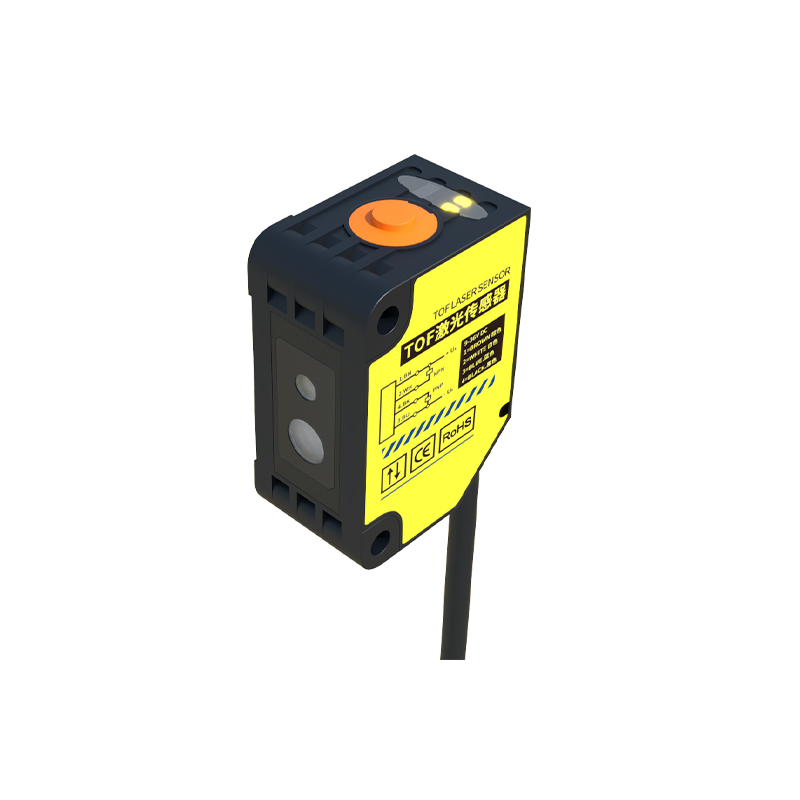
Enhanced Reliability in Challenging Conditions
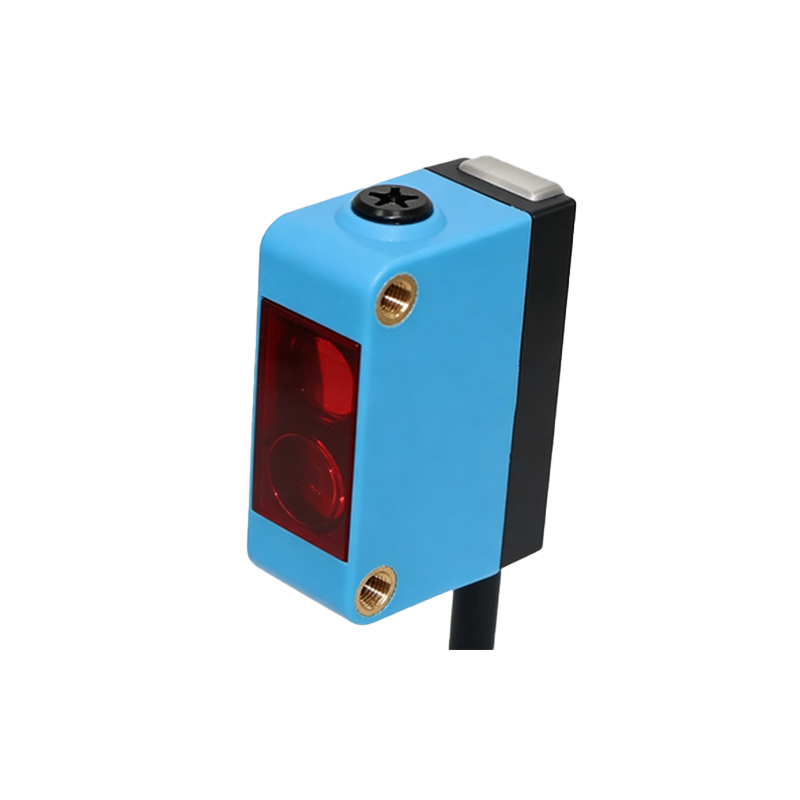
One of the standout features of reflector type sensors is their ability to maintain accuracy in adverse conditions. Because the light beam travels a shorter path compared to through-beam models, they are less susceptible to interference from dust, fog, or misalignment. For example, in a woodworking facility with heavy particulate matter, these sensors consistently detect moving boards without false triggers. Additionally, polarized models reduce false readings from shiny surfaces, ensuring stable operation in metalworking or packaging lines.
Simplified Installation and Maintenance
Installation efficiency is a major advantage for engineers. With only one sensor unit needed per detection point, wiring and mounting time are reduced by up to 50% compared to through-beam counterparts. The reflector, often a simple prism or tape, requires no power or signal connection. This low-maintenance design minimizes system downtime during replacements—just clean the reflector occasionally. In automated warehouse systems, where sensors are deployed at high density, this simplicity translates directly into lower total cost of ownership.
Wide Range of Detection Capabilities
These sensors excel in detecting a variety of materials, including opaque, transparent, or reflective objects. For liquid-filled containers in beverage lines, a retro-reflective sensor can reliably spot clear glass bottles without missing targets. Engineers appreciate the adjustable sensing range, typically from 0.1 meters to 10 meters, depending on the model. This flexibility accommodates diverse conveyor speeds and object sizes, from small electronic components to large pallets. Standard models also operate effectively in temperatures up to 70°C, suitable for automotive assembly areas.
Cost-Effectiveness for Large-Scale Deployments
For projects requiring hundreds of sensors, reflector type models offer significant budget advantages. The absence of a separate receiver reduces hardware costs by roughly 30% compared to through-beam systems. Moreover, the durable construction—often IP67 rated—extends service life, reducing replacement frequency. In logistics centers with high-speed sortation systems, the combination of reliability and affordability makes these sensors a preferred choice. Engineers can also integrate them easily with PLCs or industrial networks like PROFINET.
Conclusion and Practical Recommendations
Reflector type photoelectric sensors provide a balanced solution for engineers seeking robustness, simplicity, and value. They are particularly recommended for applications with moderate detection distances (up to 5 meters) and non-critical alignment requirements. When selecting a sensor, consider polarized models for reflective targets, and ensure the reflector is clean and properly aligned. In industries like automotive, food processing, or packaging, these sensors deliver consistent performance while reducing installation complexity. For engineers prioritizing efficiency and reliability, reflector type sensors are a dependable choice in automation design.