Introduction to Photoelectric Sensors and Light Sensitivity
Photoelectric sensors are widely used in industrial automation for object detection, presence sensing, and positioning tasks. These devices operate by emitting a beam of light, typically from an LED or laser, and detecting changes in the received light to identify objects. However, a critical challenge that engineers face is the susceptibility of these sensors to strong ambient light, such as direct sunlight or high-intensity artificial lighting. When exposed to excessive light, the sensor's receiver may become saturated, leading to false triggering, reduced detection range, or complete failure. Understanding this vulnerability is essential for system design and troubleshooting in manufacturing, logistics, and other industries.
The Mechanism of Interference from Strong Light
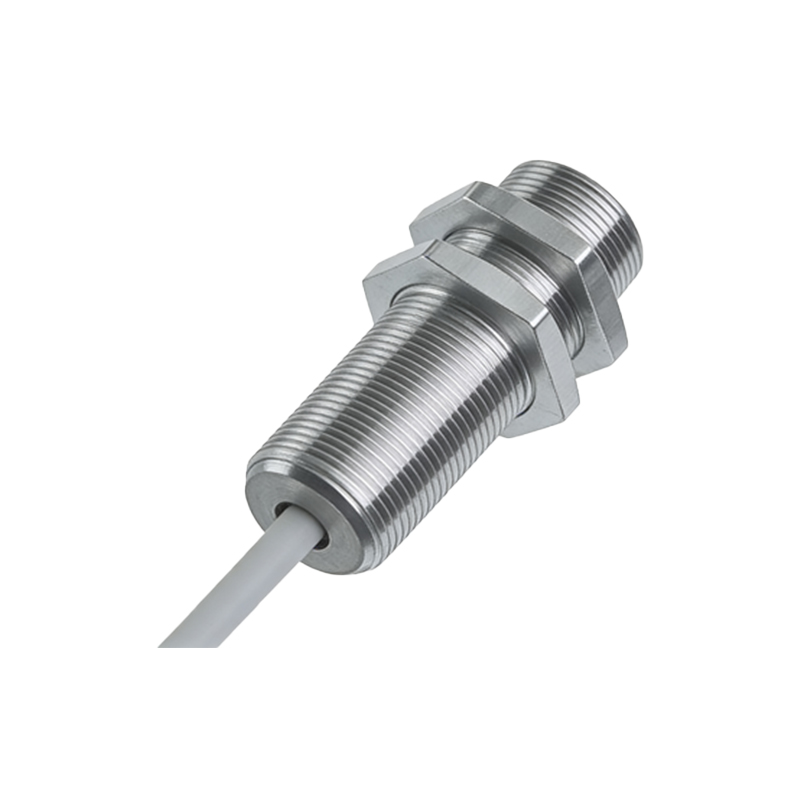
The core issue lies in the optical receiver, which is designed to detect specific light wavelengths and intensities. Strong light sources, especially those with overlapping spectra, can overwhelm the receiver. For instance, sunlight contains a broad spectrum of wavelengths, including infrared and visible light, which can interfere with both through-beam and reflective sensors. When a sensor’s photodiode or phototransistor receives an excessive amount of photons, it enters a saturation state, where it cannot distinguish between the sensor’s own emitted light and the ambient noise. This results in false positive signals or loss of target detection. In reflective sensors, strong light can also create ghost reflections, further complicating signal processing.
Practical Scenarios Where Strong Light Affects Performance
In outdoor applications, such as conveyor systems in open warehouses or automated guided vehicles (AGVs) operating near windows, strong sunlight is a common culprit. For example, a through-beam sensor installed on a loading dock may fail to detect a pallet if direct sunlight hits the receiver. Similarly, in indoor environments, high-pressure sodium lamps or welding arcs can emit intense infrared and visible light that disrupts sensor operations. Even LED lighting with high flicker rates can cause intermittent errors. Engineers must consider these factors when specifying sensors for environments with unpredictable lighting conditions, such as glass manufacturing plants or solar panel assembly lines.
Mitigation Strategies: Shielding, Filtering, and Selection
To minimize the impact of strong light, several engineering approaches are available. First, physical shielding, such as sunshades or protective housings, can block direct light from the receiver. Second, optical filters, which only pass specific wavelengths (e.g., 850nm or 940nm for infrared sensors), help reduce interference from broadband sources like sunlight. Third, using sensors with modulated light, such as pulse-modulated or frequency-coded signals, allows the receiver to discriminate between ambient and sensor light. Additionally, selecting sensors with a higher ambient light rejection rating, as specified in datasheets, is crucial. For harsh environments, laser-based sensors with narrow beam widths and advanced photodiode designs offer improved performance.
Conclusion: Best Practices for Reliable Sensor Integration
In conclusion, photoelectric sensors are powerful tools, but their sensitivity to strong light demands careful planning. Engineers should conduct site surveys to identify potential light sources, select sensors with appropriate IP ratings and ambient light rejection, and implement proper mounting and shielding. Regular maintenance, such as cleaning lenses and checking for dust accumulation, also reduces spurious readings. By understanding these principles, industries can ensure robust and accurate sensor performance, even in challenging lighting conditions. Remember, the key is to design with both the sensor’s capabilities and the environment’s characteristics in mind.