Introduction to Edge Guiding in Continuous Web Processing
In industries such as printing, packaging, converting, and textile manufacturing, maintaining precise lateral alignment of a continuous web material is critical. Web materials like film, paper, foil, or fabric often deviate from the centerline due to uneven tension, roll imperfections, or machine vibrations. An edge guiding system, utilizing a photoelectric sensor as the primary detection element, ensures that the web tracks accurately. This process minimizes waste, reduces downtime, and improves product quality by preventing misregistration or wrinkling.
Operating Principle of a Photoelectric Edge Sensor
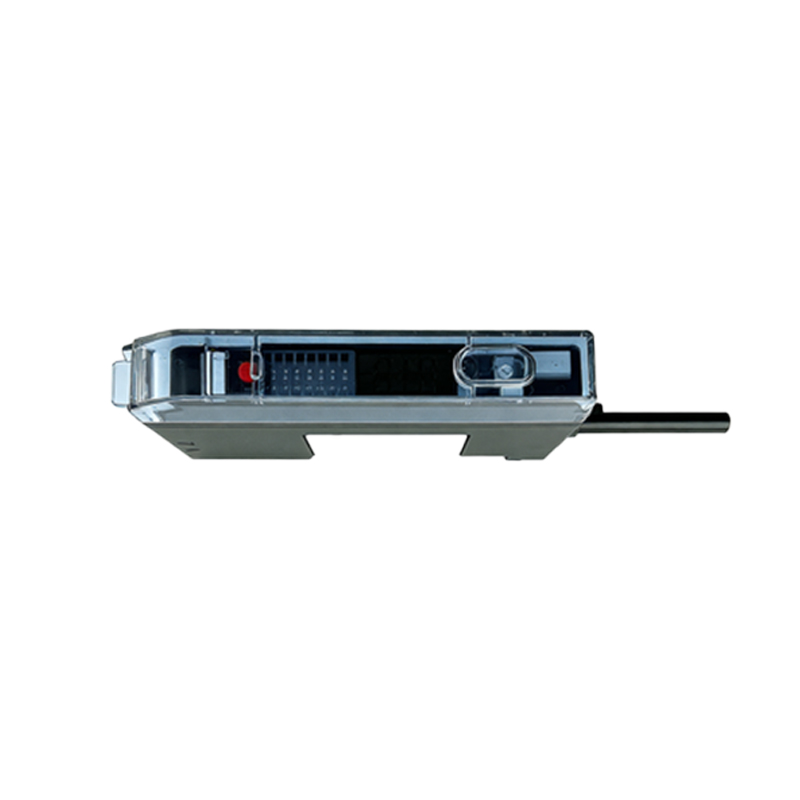
A photoelectric edge sensor typically operates on the principle of light transmission or reflection. In a common configuration, a light emitter and receiver are positioned on opposite sides of the web. The web partially blocks the light beam. As the web edge shifts, the amount of light reaching the receiver changes proportionally. This analog signal is then processed by a controller, which commands an actuator to correct the web position. The sensor’s output is linear and highly responsive, allowing for real-time correction. Key specifications include the sensing range, resolution, and response time, which are tailored to the web material’s opacity and speed.
Key Advantages of Photoelectric Sensors for Web Guiding
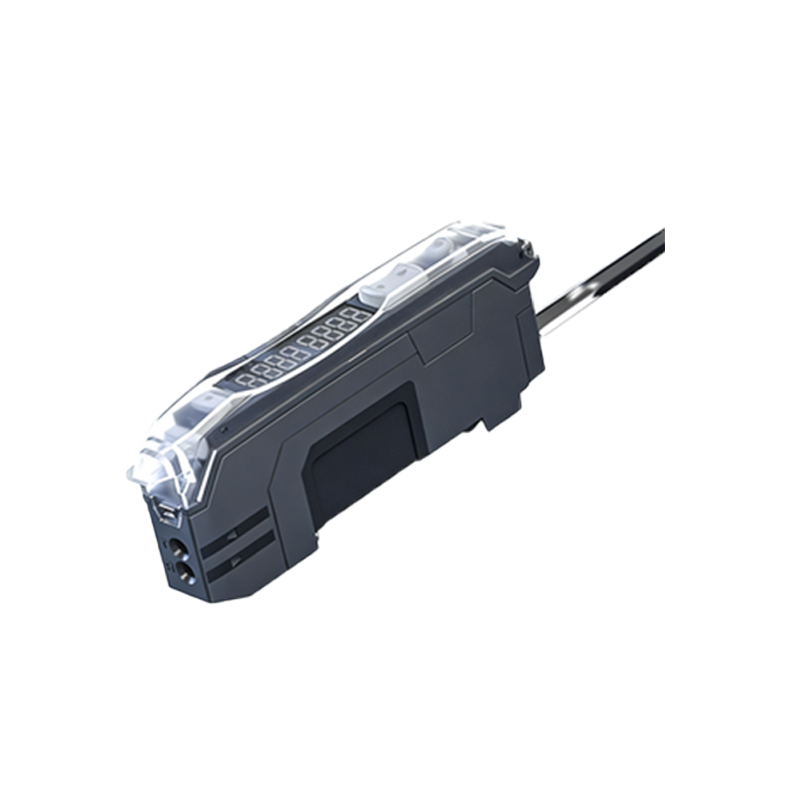
Photoelectric sensors offer distinct benefits over mechanical or ultrasonic alternatives for edge detection. They provide non-contact detection, eliminating the risk of scratching sensitive web surfaces like coated films or polished metals. Their high sensitivity allows for detecting minute edge deviations, often down to 0.1 mm or better, which is crucial for precision applications like label printing. Additionally, these sensors are immune to acoustic noise and can operate reliably in dusty environments when equipped with air purge systems. The solid-state design ensures long service life and minimal maintenance.
Sensor Selection Criteria: Wavelength and Background Suppression
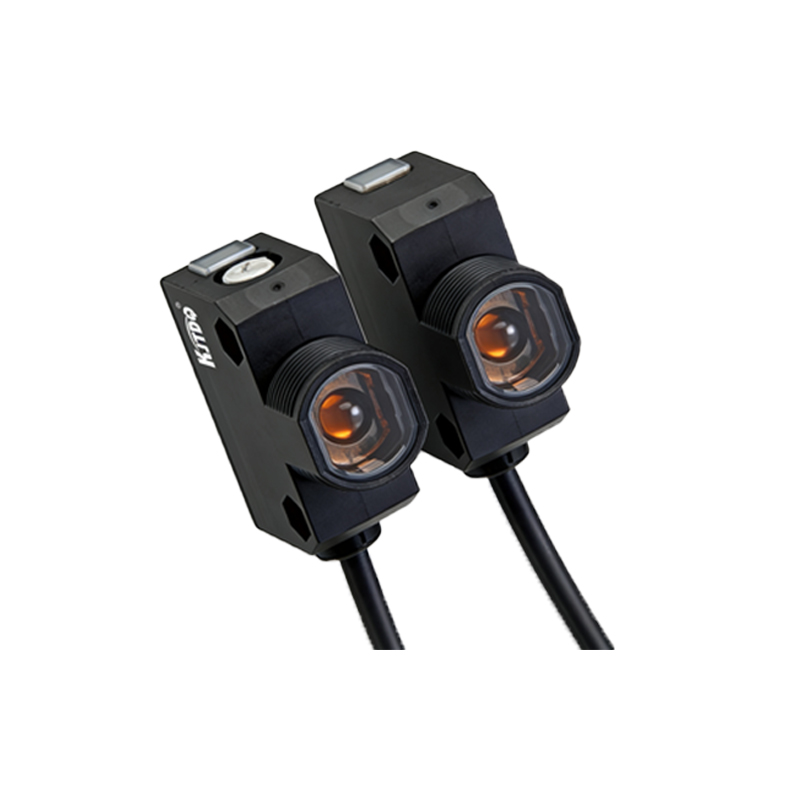
Choosing the correct photoelectric sensor involves considering the web material’s color, reflectivity, and transparency. For transparent webs like clear films, sensors with a specific infrared wavelength are often used to differentiate the edge from the background. For opaque materials, a visible red light sensor may be adequate. Advanced sensors feature background suppression technology, which ignores reflections from objects behind the web, ensuring that only the true edge is detected. This prevents false triggers from rollers or machine frames. The sensing distance must also be matched to the installation geometry.
Integration with Closed-Loop Control Systems
The photoelectric sensor is the feedback component in a closed-loop control system. The analog output signal, typically 0-10 VDC or 4-20 mA, is fed into a dedicated edge guide controller. This controller processes the signal using PID algorithms to drive a linear actuator or a steering frame. The system’s overall performance depends on the sensor’s linearity and the controller’s tuning. Modern sensors often include digital interfaces like IO-Link for easy setup and diagnostics, allowing engineers to adjust sensitivity and output characteristics remotely.
Installation and Calibration Best Practices
Proper installation is essential for optimal performance. The sensor should be mounted perpendicular to the web path, with the web edge passing through the center of the sensor’s detection window. Calibration involves setting the sensor’s zero point when the web is in the desired position. For dual-edge systems, two sensors are used to center the web. Regular cleaning of the sensor’s optics is recommended, especially in applications involving adhesives or dust. Environmental factors like ambient light from welding arcs or intense sunlight should be shielded to prevent interference.
Conclusion: Enhancing Process Efficiency and Quality
Photoelectric edge sensors are indispensable components in modern web guiding systems. Their precision, reliability, and non-contact nature make them ideal for demanding industrial environments. By selecting the right sensor and integrating it properly, engineers can achieve significant improvements in production efficiency, material savings, and final product quality. As web processing speeds increase, the demand for faster and more accurate sensors will continue to drive innovation in optoelectronic detection technology.