Introduction to Photoelectric Sensors in Glass Detection
Photoelectric sensors are essential components in modern industrial automation, particularly for detecting transparent or translucent materials like glass. Unlike opaque objects, glass presents unique challenges due to its high light transmission and reflection properties. This article delves into the operational principles and practical applications of photoelectric sensors for glass detection, offering insights for electrical engineers and automation specialists.
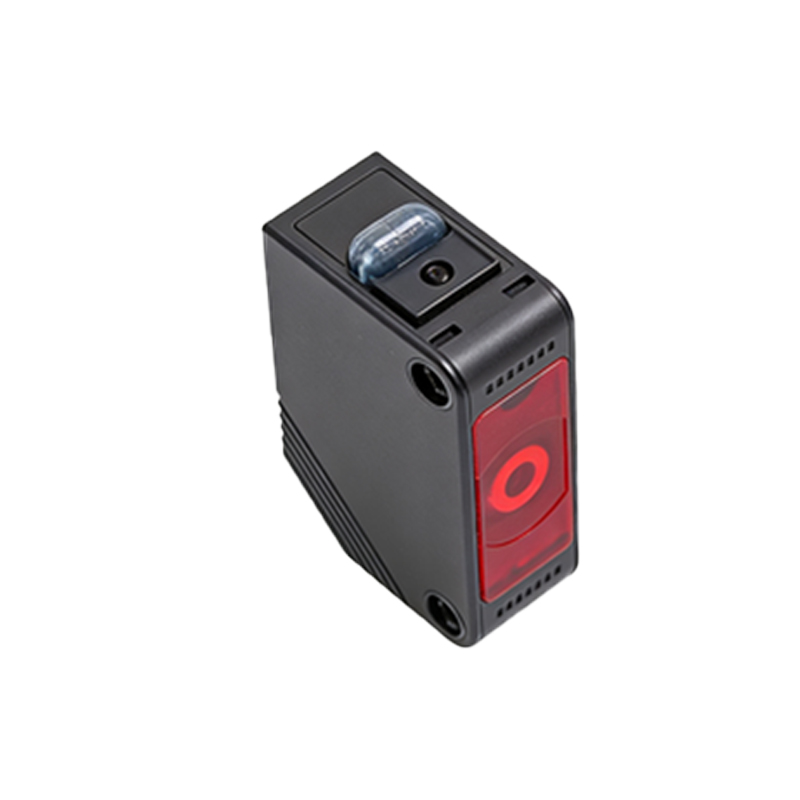
Operating Principle: Through-Beam and Retro-Reflective Modes
For glass detection, two primary sensor modes are commonly used: through-beam and retro-reflective. In through-beam mode, an emitter and receiver are placed opposite each other, and the glass interrupts the light beam, triggering a detection signal. This method is highly reliable for clear glass but requires precise alignment. Retro-reflective sensors use a reflector to bounce light back to the receiver; when glass passes, it refracts the beam, causing a change in received light intensity. Advanced sensors employ polarized light to minimize false triggers from shiny surfaces.
Challenges in Glass Detection: Transparency and Reflection
Standard photoelectric sensors often fail with glass due to its transparency, which allows most light to pass through, and its reflective surface, which can cause specular reflections. To overcome these, engineers use sensors with special optics, such as coaxial design, which aligns emitter and receiver along the same axis, reducing the effect of light scattering. Additionally, sensitivity adjustment and background suppression techniques are critical to differentiate between glass and its surroundings, especially in high-speed production lines.
Applications in Glass Manufacturing and Assembly
In glass manufacturing, photoelectric sensors are deployed for presence detection, edge positioning, and breakage monitoring. For example, in float glass production lines, sensors detect the glass sheet edge for precise cutting. In assembly, they verify the placement of glass panels in automotive or electronic devices. The sensors must withstand harsh environments, including dust and vibration, so robust housing and protective lenses are often specified.
Selection Criteria for Glass Detection Sensors
When selecting a photoelectric sensor for glass detection, consider factors like detection distance, response time, and ambient light immunity. Sensors with a narrow beam angle and high-frequency modulation are preferred to reduce interference. For transparent glass, a contrast-based sensor that detects changes in light transmission, rather than simple presence, offers superior performance. Always verify the sensor’s datasheet for glass-specific capabilities, such as minimum object size and material type.
Conclusion: Enhancing Reliability in Automation
Photoelectric sensors for glass detection have evolved to address material-specific challenges, using advanced optics and signal processing. By understanding the principles of through-beam and retro-reflective modes, and by carefully selecting sensors based on application needs, engineers can achieve reliable detection in automated systems. This ensures consistent quality and efficiency in industries ranging from construction to consumer electronics.