Introduction to Fan Speed Measurement Using Photoelectric Sensors
Fan speed measurement is a critical task in industrial automation, HVAC systems, and motor control applications. As an electrical engineer, I often rely on photoelectric sensors for non-contact speed detection due to their reliability, accuracy, and ease of integration. Photoelectric sensors operate by emitting a light beam and detecting changes in reflection or interruption caused by rotating fan blades. This method eliminates mechanical wear and provides real-time feedback for process control. In this guide, I will discuss sensor selection, installation, signal processing, and common pitfalls, drawing from practical field experience.
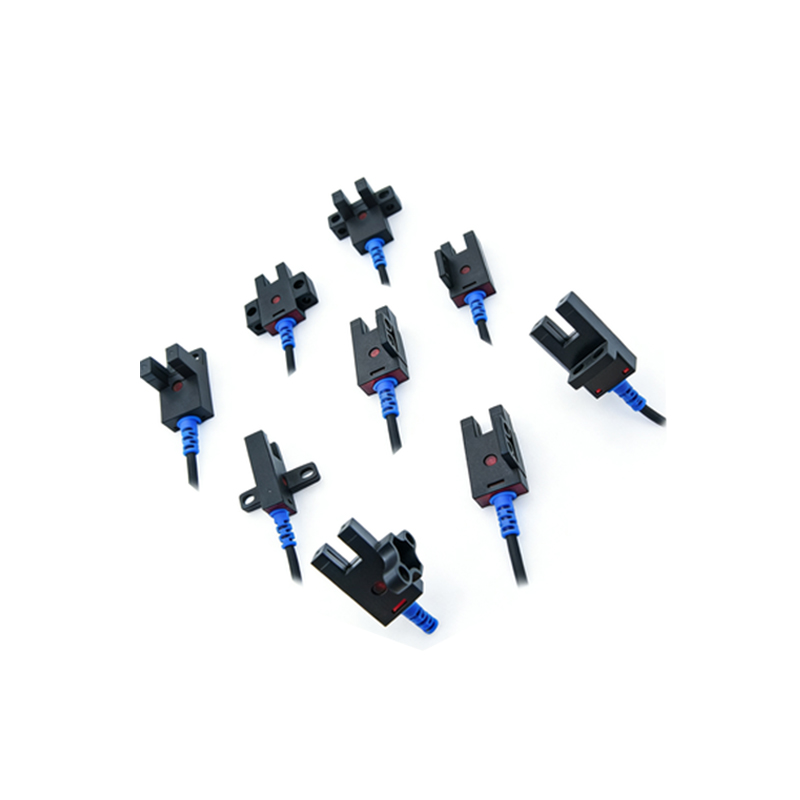
Sensor Selection: Through-Beam vs. Retro-Reflective vs. Diffuse
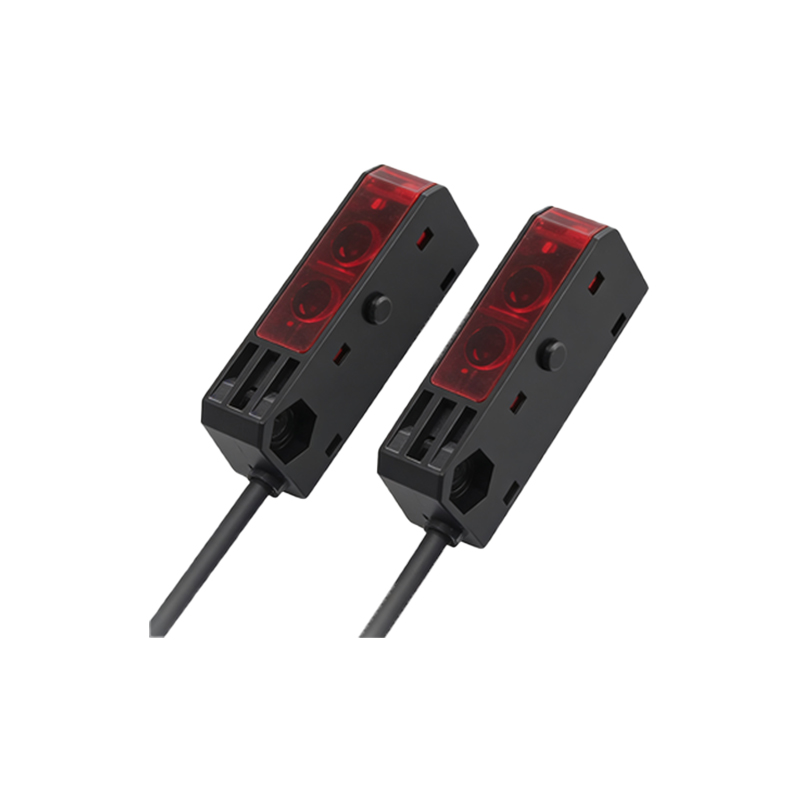
Choosing the right photoelectric sensor type depends on the fan design and environmental conditions. For open-blade fans with clear spacing, a through-beam sensor offers high reliability, as the emitter and receiver are separate, and the fan blades break the beam. Retro-reflective sensors are suitable when mounting space is limited, using a reflector opposite the sensor. Diffuse sensors are ideal for dark-colored or irregular blades, as they detect reflected light from the blade surface itself. I recommend through-beam for dusty environments, while diffuse types work well in clean, indoor settings. Always verify the sensor's response time—typically under 1 ms for high-speed fans up to 10,000 RPM.
Installation Best Practices for Accurate Speed Readings
Proper installation is key to avoiding false triggers. Mount the sensor perpendicular to the blade path, at a distance where the beam crosses at least 50% of the blade width. For retro-reflective sensors, ensure the reflector is clean and aligned within the sensor's beam angle. Use a mounting bracket with vibration damping to prevent misalignment from fan resonance. Shield the sensor cable from electromagnetic interference (EMI) using ferrite beads or shielded twisted pairs, especially near variable frequency drives (VFDs). I also recommend adding a small reflective tape on one blade if using a diffuse sensor on dark fans, which improves signal contrast.
Signal Processing and Pulse Counting Techniques
The sensor output is typically a digital pulse train, where each pulse corresponds to a blade passing. The fan speed in RPM can be calculated using the formula: RPM = (Pulses per second × 60) / Number of blades. For high precision, use a programmable logic controller (PLC) or microcontroller with a high-speed counter input. Implement a debounce filter in software to ignore noise from vibration or dust. In my projects, I set a minimum pulse width of 0.5 ms to filter out false signals. For variable speed fans, calibrate the sensor at multiple setpoints to ensure linearity across the operating range.
Common Challenges and Troubleshooting Tips
Field issues often arise from ambient light interference, dust accumulation, or blade reflectivity. For outdoor fans, use sensors with modulated light (infrared) to reject sunlight. Clean sensor lenses weekly in dusty environments. If the sensor triggers on stationary objects, adjust the sensitivity potentiometer or use a background suppression model. Another common problem is missed pulses at low speeds; switch to a sensor with a higher sensitivity or reduce the mounting distance. Always test with an oscilloscope to verify pulse shape and amplitude before final integration.
Conclusion: Enhancing System Reliability with Photoelectric Sensing
Photoelectric sensors provide a cost-effective and robust solution for fan speed monitoring in industrial settings. By selecting the correct sensor type, adhering to installation guidelines, and implementing proper signal conditioning, engineers can achieve accurate and repeatable measurements. This approach reduces downtime and improves energy efficiency in ventilation systems. For advanced applications, consider using sensors with IO-Link communication for diagnostic data and remote configuration. With these best practices, you can confidently integrate photoelectric sensors into your next fan speed control system.