Understanding the Role of Liquid in Photoelectric Sensor Performance
In industrial environments, photoelectric sensors often require a specific liquid medium to enhance their functionality, particularly in applications involving detection through transparent or reflective materials. The liquid is typically used to improve optical coupling, reduce signal interference, or maintain sensor integrity in harsh conditions. Common choices include distilled water, glycerin, or specialized optical oils, each offering distinct advantages based on the sensor type and operating environment. For instance, in liquid-level detection, the liquid itself acts as the medium, while in fiber optic sensors, it may serve as a coolant or refractive index matching agent. Selecting the wrong liquid can lead to signal loss, corrosion, or calibration errors.
Distilled Water: The Standard Choice for General Applications
Distilled water is widely recommended for photoelectric sensors due to its neutral pH, low conductivity, and high optical clarity. It is ideal for sensors used in clean environments, such as food processing or pharmaceutical packaging, where contamination must be avoided. The water's consistent refractive index ensures reliable signal transmission in through-beam or diffuse sensors. However, in extreme temperatures or high-humidity conditions, distilled water may evaporate or cause condensation, leading to sensor drift. For long-term stability, consider adding a small percentage of isopropyl alcohol to reduce surface tension and prevent bubble formation.
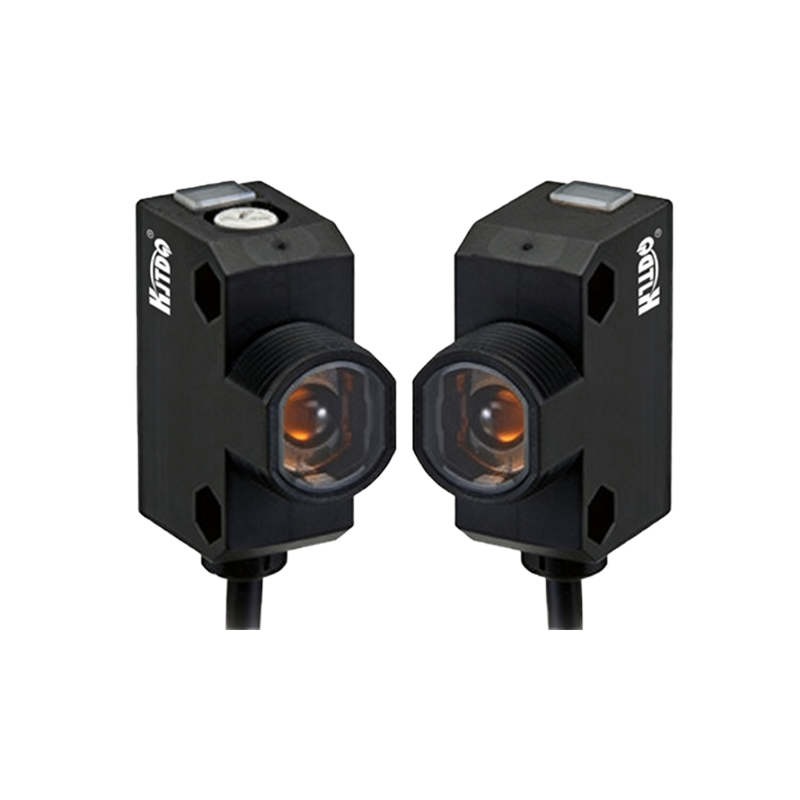
Glycerin Solutions for High-Viscosity and Temperature Stability
Glycerin, often mixed with water in ratios like 70:30, is preferred for sensors operating in environments with wide temperature fluctuations. Its high viscosity reduces fluid movement, minimizing signal noise in vibration-prone settings, such as conveyor belts or robotic arms. Glycerin also has a higher refractive index than water, which can improve detection accuracy in retroreflective sensors by reducing light scattering. However, its sticky residue may attract dust, so regular cleaning is essential. For sensors exposed to ultraviolet light, pure glycerin may degrade; opt for synthetic glycerin with stabilizers instead.
Optical Oils: Specialized Liquids for Precision Sensors
Optical oils, such as silicone-based or fluorocarbon oils, are designed for high-precision photoelectric sensors in laboratory or semiconductor manufacturing. These liquids offer exceptional thermal stability and low vapor pressure, preventing evaporation in enclosed systems. They excel in fiber optic sensor applications, where they act as index-matching fluids to eliminate air gaps between optical components. A common choice is Cargille oil series, which provides consistent refractive index values from 1.3 to 1.7. Avoid petroleum-based oils, as they can attack sensor housing materials like polycarbonate or acrylic.
Avoiding Common Liquids: What Not to Use
Never use tap water or saltwater in photoelectric sensors, as minerals or ions can cause electrical shorts or corrode metallic parts. Similarly, avoid organic solvents like acetone or alcohol in high concentrations, as they may damage plastic lenses or seals. For sensors with built-in electronics, ensure the liquid is non-conductive; even deionized water can become conductive over time if exposed to air. Always consult the sensor manufacturer's datasheet for specific liquid compatibility lists, especially for models with IP ratings below 67.
Maintenance and Replacement Guidelines
Regardless of the liquid chosen, regular monitoring is critical. Replace liquids every 3-6 months in dusty or chemical-laden environments, or immediately if the sensor output shows instability. Use a refractometer to check the liquid's refractive index against the sensor's calibration range. For glycerin or oil systems, filter the liquid through a 5-micron mesh to remove particulates. Always drain and dry the sensor housing before refilling to prevent air bubbles. Proper maintenance extends sensor life by up to 40% in continuous operation.