Introduction to Photoelectric Sensors
Photoelectric sensors are critical components in modern industrial automation, enabling non-contact detection of objects, distances, and material properties. As an electrical engineer with over a decade of experience, I have relied on these devices to enhance production line efficiency and safety. Gongpin Hui, a leading industrial parts distributor, offers a wide range of high-quality photoelectric sensors suitable for various applications, from packaging to automotive manufacturing. This guide provides an in-depth technical overview, focusing on selection, installation, and performance optimization.
Working Principles and Types
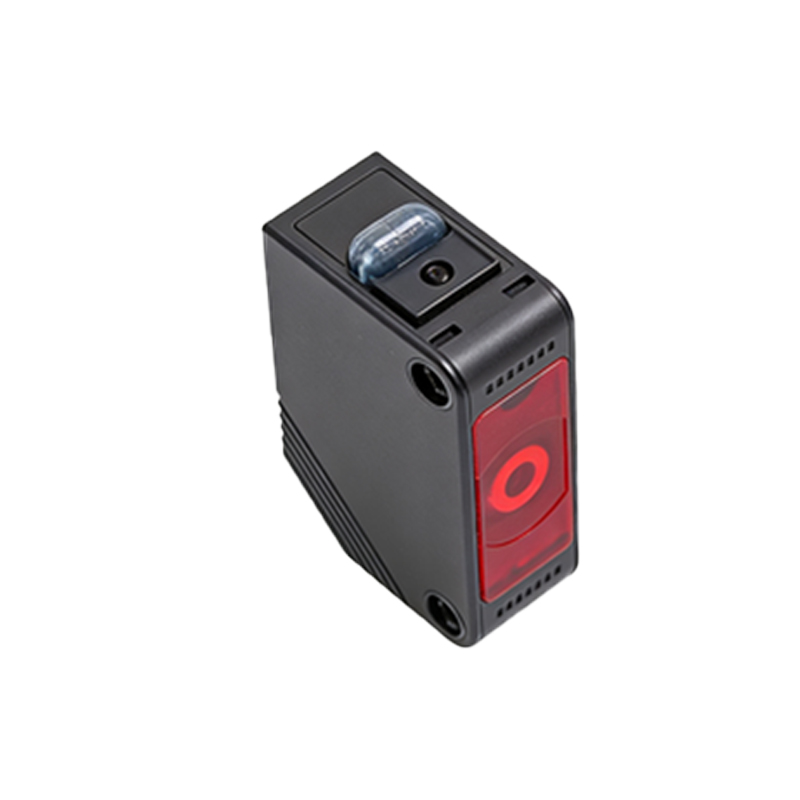
Photoelectric sensors operate by emitting a beam of light (usually infrared, visible red, or laser) and detecting changes in the received signal. They are classified into three main types: through-beam, retro-reflective, and diffuse reflective. Through-beam sensors use separate emitter and receiver units, offering the longest detection range (up to 30 meters) and highest reliability. Retro-reflective sensors employ a reflector to bounce the beam back, providing a compact solution for medium ranges (up to 10 meters). Diffuse sensors detect light reflected directly from the target, ideal for short-range applications (up to 2 meters) with varying surface textures. For harsh environments, Gongpin Hui supplies IP67-rated models resistant to dust and moisture.
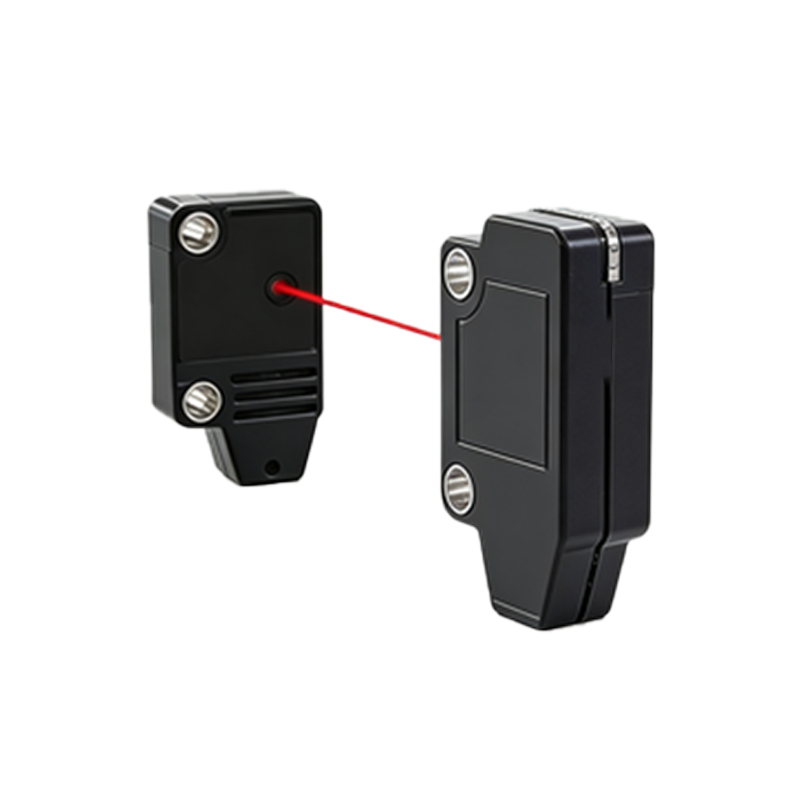
Key Technical Parameters for Selection
When choosing a photoelectric sensor, engineers must evaluate critical parameters such as sensing distance, response time, and output type. Typical response times range from 0.5 ms to 5 ms, crucial for high-speed conveyor systems. Output options include NPN (sinking), PNP (sourcing), and analog current/voltage signals. Additionally, light source wavelength affects performance; for example, red LED sensors excel in detecting transparent objects like glass, while infrared models are better for dusty environments. Gongpin Hui provides detailed datasheets with diagrams, helping engineers match sensors to specific load requirements and supply voltages (e.g., 10-30 VDC).
Installation Best Practices
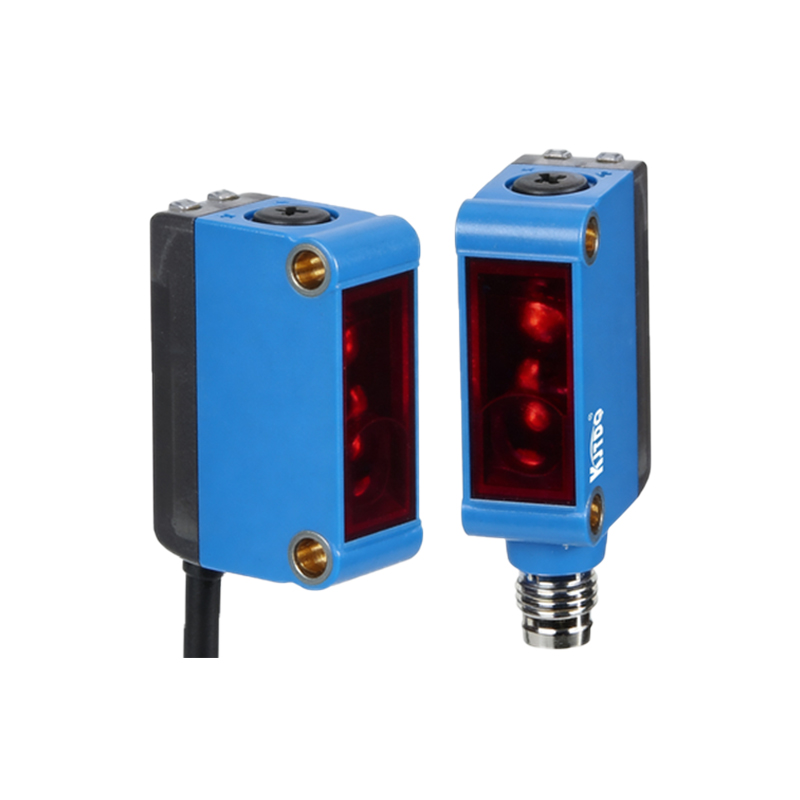
Proper installation is vital to avoid false triggers and signal loss. Ensure the sensor and target are aligned within the specified beam angle (typically 3-10 degrees). For through-beam systems, use mounting brackets to stabilize the emitter and receiver on opposite sides of the conveyor. Retro-reflective sensors require a clean reflector surface; avoid using metallic reflectors that can cause interference. In diffuse mode, maintain a minimum background distance to prevent reflections from unintended surfaces. Gongpin Hui offers pre-wired cable options with strain relief, simplifying integration into existing control panels. I recommend using a shielded cable for electromagnetic interference (EMI) protection in motor-driven environments.
Troubleshooting Common Issues
Common problems include intermittent detection, reduced range, and false signals due to ambient light or vibration. First, verify the power supply is stable and within the sensor’s rating. Clean the lens with a soft cloth to remove dust or oil buildup. For retro-reflective sensors, check the reflector alignment using a laser alignment tool. If the sensor triggers erratically, adjust the sensitivity potentiometer or use a background suppression model. Gongpin Hui’s technical support team provides real-time assistance, and their online resource center includes troubleshooting flowcharts. Consider adding a delay timer to filter out transient signals in high-vibration applications.
Industry Applications and Future Trends
Photoelectric sensors are indispensable in industries like food processing, logistics, and robotics. For instance, in a bottling plant, they verify cap presence and label orientation at speeds exceeding 600 units per minute. Emerging trends include IO-Link communication for real-time diagnostics and smart sensors with integrated machine learning capabilities. Gongpin Hui stocks the latest models with IO-Link compatibility, enabling predictive maintenance and reduced downtime. As automation advances, the demand for high-precision laser sensors and multi-beam arrays will grow, particularly in collaborative robot applications.
Conclusion and Recommendation
Selecting the right photoelectric sensor from Gongpin Hui can significantly boost operational efficiency and reduce maintenance costs. I advise engineers to prioritize sensors with adjustable response times and robust housing for longevity. For complex setups, opt for models with teach-in functions to simplify calibration. Gongpin Hui’s competitive pricing and fast delivery make it a reliable partner for industrial automation projects. Always consult the technical documentation and perform a pilot test before full-scale deployment.