Introduction to U-Shaped Photoelectric Sensors
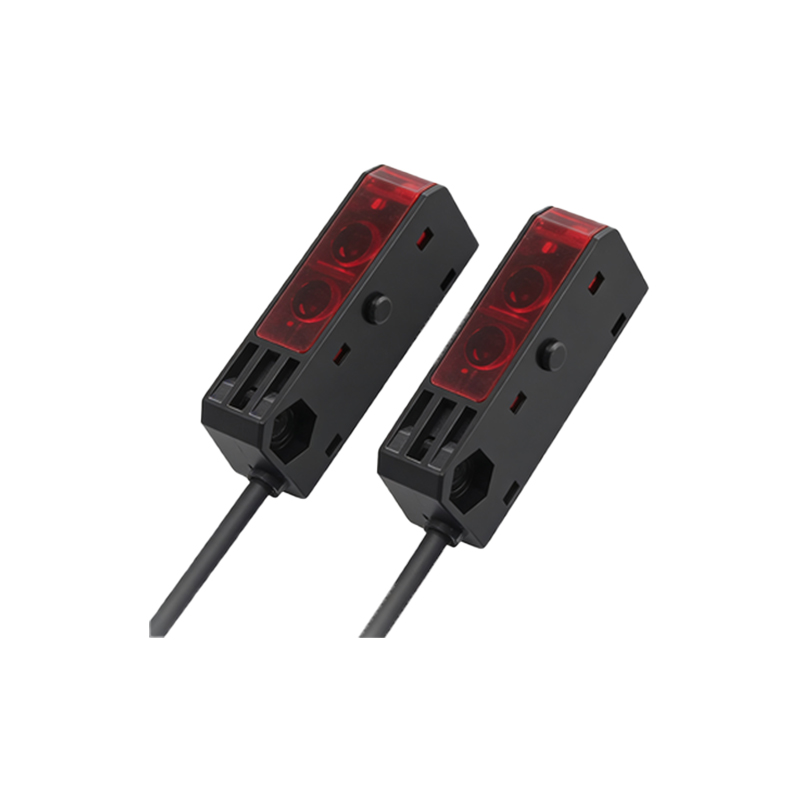
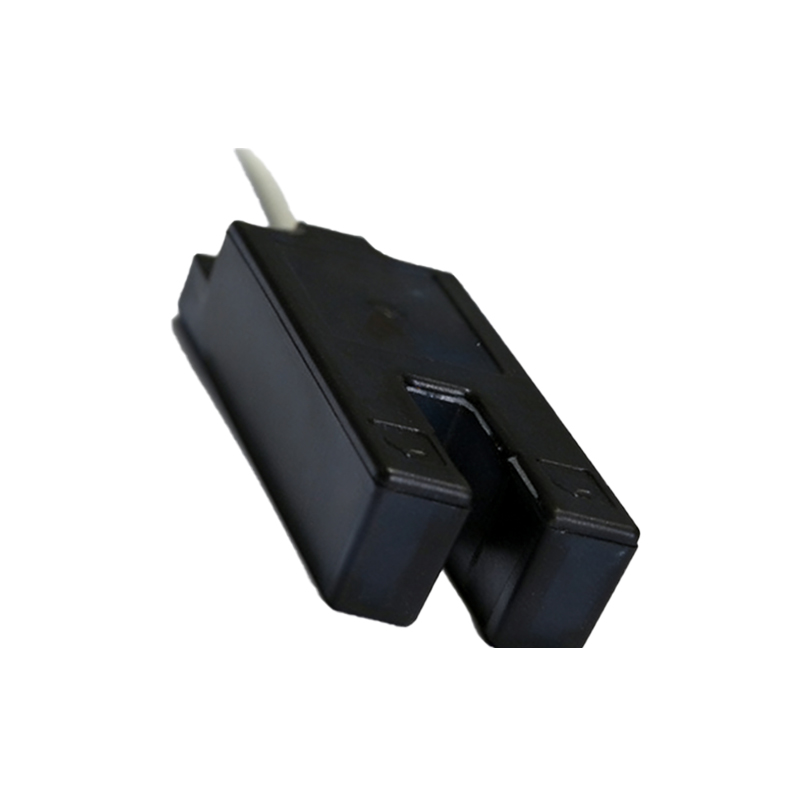
U-shaped photoelectric sensors, also known as fork sensors, are essential components in modern industrial automation. Creatron’s latest U-shaped photoelectric sensor series offers high precision detection for object presence, position, and counting in manufacturing lines. Unlike traditional through-beam sensors, the U-shaped design integrates the emitter and receiver in a single housing, simplifying installation and reducing alignment issues. This makes them ideal for space-constrained environments such as packaging, electronics assembly, and automotive part handling.
Technical Specifications and Performance
Creatron U-shaped sensors feature a compact housing with a slot width ranging from 10mm to 80mm, operating at detection distances up to 5 meters with infrared or red LED light sources. The response time is as low as 0.5 milliseconds, ensuring reliable operation in high-speed production lines. These sensors support NPN and PNP output configurations, with IP67 protection rating for dust and water resistance. The built-in ambient light suppression filter minimizes false triggers, even in bright factory conditions. Additionally, the sensors offer adjustable sensitivity via a potentiometer, allowing fine-tuning for transparent or reflective objects.
Key Advantages in Industrial Settings
The primary benefit of Creatron U-shaped sensors is their immunity to background interference. The U-shaped design creates a fixed optical path, eliminating the need for separate reflector alignment. This reduces maintenance downtime and ensures consistent detection of small parts, such as screws, labels, or PCB components. Furthermore, the sensors can detect transparent materials like glass or plastic films, which challenge conventional sensors. The robust aluminum housing withstands vibrations and shock in heavy machinery environments.
Application Examples Across Industries
In the packaging industry, Creatron U-shaped sensors monitor the presence of carton flaps during sealing processes. In electronics manufacturing, they verify component placement on conveyor belts at speeds exceeding 1000 parts per minute. For automotive assembly lines, these sensors detect missing bolts or gaskets in engine blocks. A notable case study involves a food processing plant using the sensors to count bottles on a high-speed filling line, achieving a 99.9% accuracy rate even with wet surfaces.
Integration and Installation Tips
For optimal performance, mount the Creatron U-shaped sensor with the emission window facing the target object. Ensure the slot is free from debris and that the cable is routed away from high-voltage lines to avoid electromagnetic interference. Use the provided mounting bracket for secure attachment to conveyor frames. Calibration can be performed using the teach-in function: place the object in the detection zone and press the set button for 2 seconds. For transparent objects, adjust sensitivity to 70% to prevent false triggers.
Future Trends and Compatibility
Creatron is developing IO-Link enabled U-shaped sensors for Industry 4.0 integration, allowing real-time diagnostics and parameter adjustments via PLC networks. The current models are compatible with most industrial controllers, including Siemens, Allen-Bradley, and Mitsubishi systems. With the growing demand for miniaturized sensors in robotics and collaborative automation, Creatron plans to introduce a micro U-shaped series with a 5mm slot width by 2025.
Conclusion and Recommendations
Creatron U-shaped photoelectric sensors offer a reliable, cost-effective solution for precise object detection in harsh industrial environments. Their ease of installation, high immunity to interference, and versatility across materials make them a top choice for engineers. For applications requiring high-speed counting or transparent object detection, these sensors outperform traditional photoelectric models. We recommend evaluating your specific detection range and object size to select the appropriate slot width.