Introduction to Linear Emitter Photoelectric Sensors
Linear emitter photoelectric sensors are critical components in modern industrial automation systems, designed for high-precision detection and measurement tasks. Unlike standard photoelectric sensors, these devices emit a focused linear beam of light, typically infrared or visible laser, to detect objects, edges, or positions along a single axis. Their unique design enables accurate sensing in challenging environments, such as dusty factories or high-speed production lines. By converting light signals into electrical outputs, they provide real-time feedback for process control, quality assurance, and safety systems. Engineers value these sensors for their robustness, long sensing distances, and ability to integrate seamlessly with programmable logic controllers (PLCs) and other automation hardware.
Operating Principles and Key Technologies
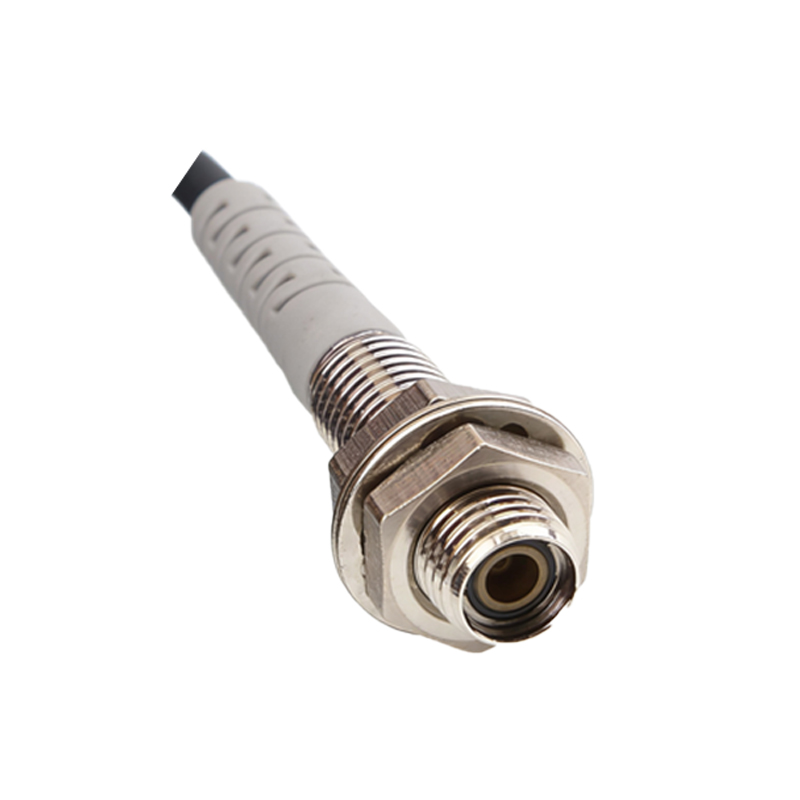
The core technology behind linear emitter photoelectric sensors involves a collimated light source, a receiver, and signal processing electronics. The emitter projects a narrow, linear beam that is either reflected (retro-reflective mode) or directly received (through-beam mode) by a paired detector. In through-beam setups, the emitter and receiver are separate, offering the highest reliability for long-range detection, while retro-reflective configurations simplify wiring by using a reflector. Advanced models incorporate laser diodes for enhanced beam focusing, immune to ambient light interference and capable of detecting sub-millimeter objects. Modulated pulse signals further reduce noise from external sources, ensuring stable operation at frequencies exceeding 1 kHz. Engineers must consider factors like beam divergence, response time, and output type (NPN/PNP, analog, or IO-Link) when selecting a sensor for specific applications.
Applications in Industrial Automation
Linear emitter photoelectric sensors find extensive use in manufacturing, packaging, and material handling industries. For example, in conveyor systems, they detect product presence or jams with high accuracy, enabling automated sorting and counting. In automotive assembly lines, these sensors measure gap widths between components or verify the alignment of robotic grippers. The semiconductor industry relies on them for wafer positioning, where even micron-level errors can cause defects. Additionally, in logistics warehouses, linear emitters monitor pallet heights or guide automated guided vehicles (AGVs). Their ability to operate reliably in harsh conditions—such as high humidity, vibration, or temperature extremes—makes them indispensable for continuous production environments.
Installation and Calibration Best Practices
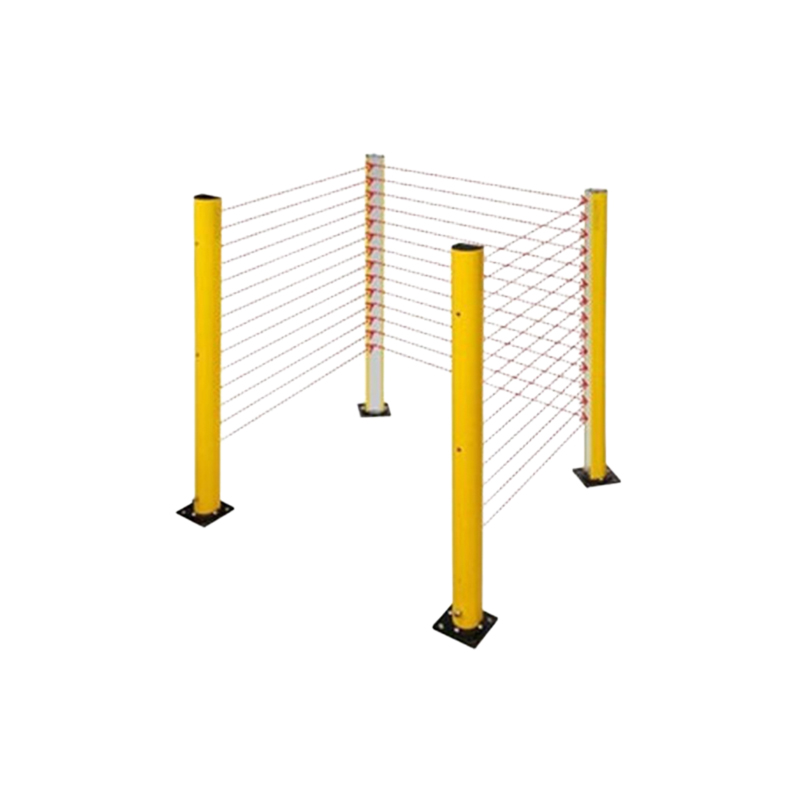
Proper installation is crucial to maximize sensor performance. Mount the emitter and receiver on stable surfaces, ensuring optical alignment within ±0.5 degrees for through-beam models. Use adjustable brackets to fine-tune the beam path, and avoid reflective surfaces near the sensing area that could cause false triggers. For retro-reflective configurations, select reflectors with optimal reflectivity (e.g., corner cube prisms). Calibration involves setting the sensitivity threshold via a potentiometer or software interface, accounting for ambient light levels and target material reflectivity. In dynamic applications, engineers should test response times under load to prevent missed detections. Regular cleaning of optical surfaces with lint-free cloths and isopropyl alcohol maintains signal integrity over time.
Troubleshooting Common Issues
Even reliable sensors encounter problems. Intermittent detection often stems from misalignment or contamination on the emitter lens or receiver. Check for dust, oil, or condensation using a visual inspection and clean accordingly. If the sensor triggers falsely, verify that the beam does not encounter highly reflective backgrounds or other sensors’ light interference. Reduce sensitivity or adjust the beam angle to mitigate this. For non-responsive units, measure supply voltage (typically 10–30 VDC) and verify wiring connections, including shield grounding for noise-prone cables. In IO-Link-enabled sensors, use diagnostic tools to read error codes, such as temperature warnings or signal strength drops. Remember, replacing a damaged emitter or receiver in matched pairs ensures consistent performance.
SE0关键词:photoelectric sensors, linear emitter, industrial automation, through-beam sensor, laser detection
SE0描述:Discover the precision and reliability of linear emitter photoelectric sensors in industrial automation. This article covers operating principles, applications in manufacturing and logistics, installation best practices, and troubleshooting tips for engineers. Ideal for optimizing conveyor systems, robotic guidance, and quality control.